Cartagena
Caribbean Walled City
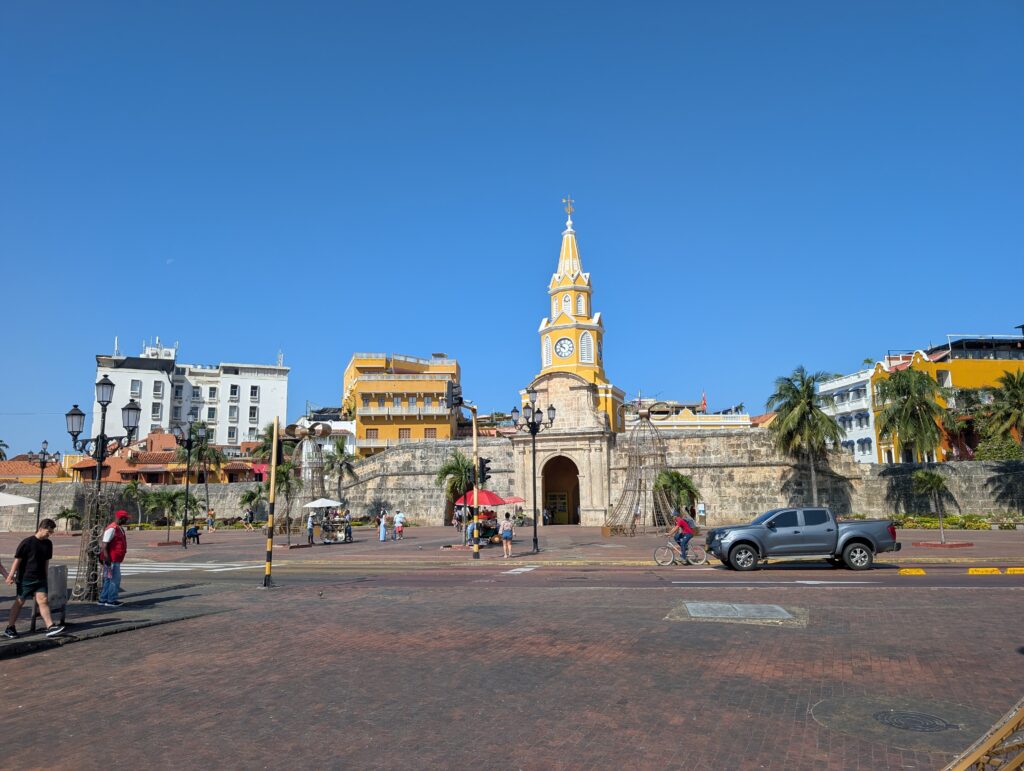
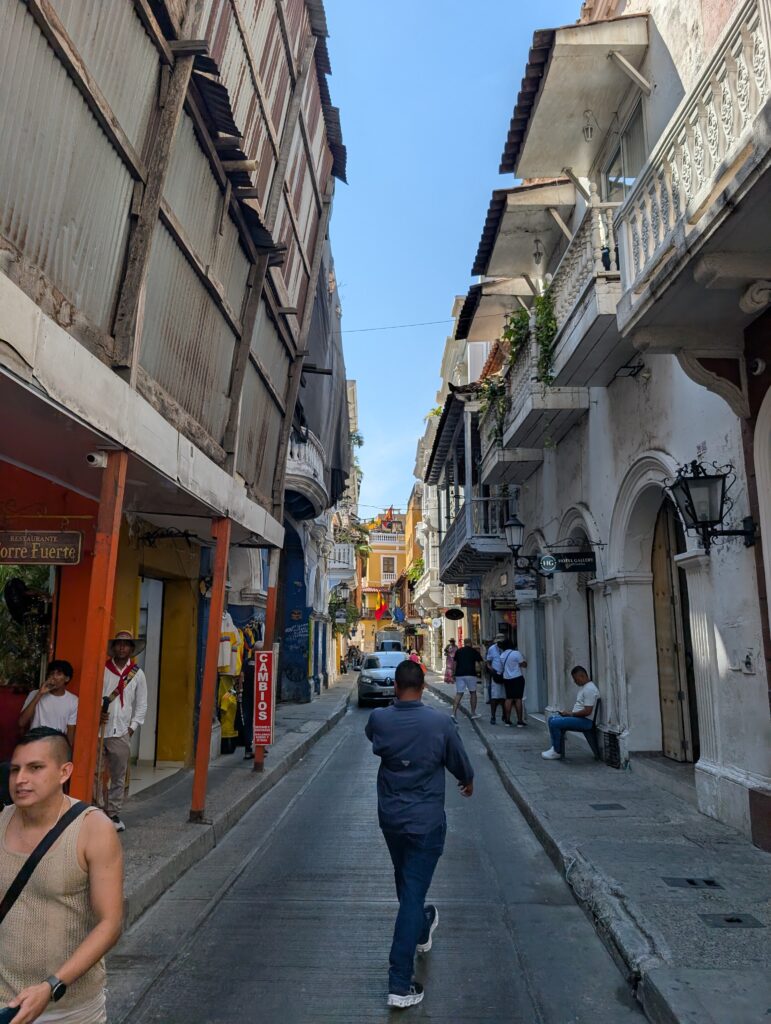
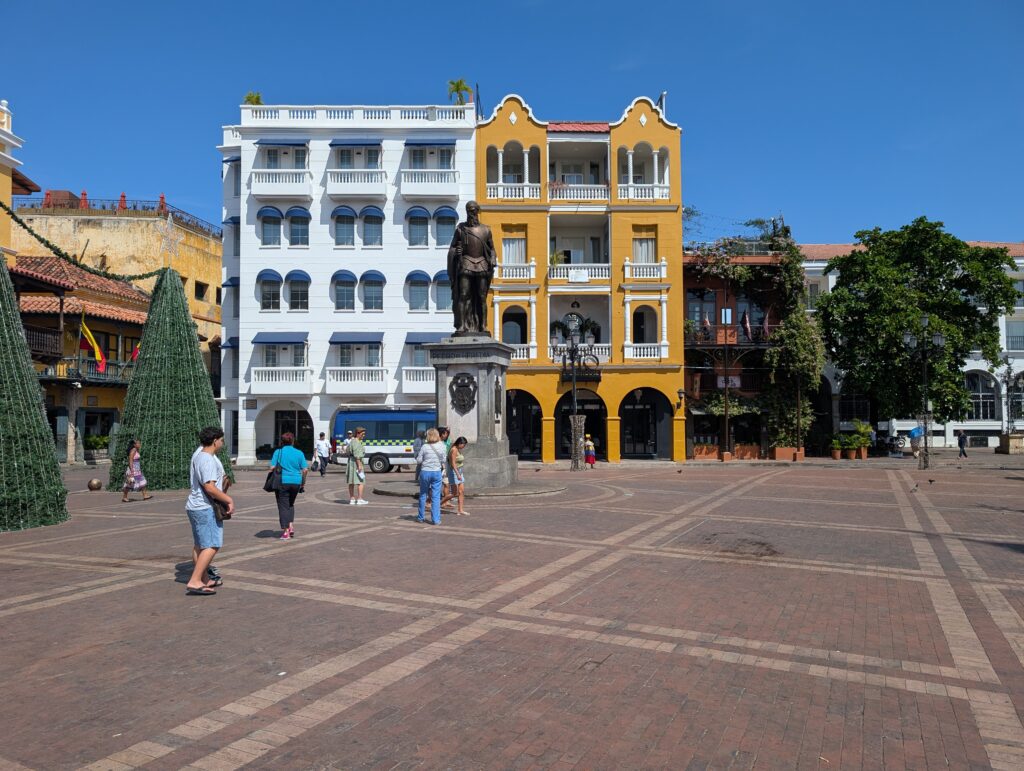
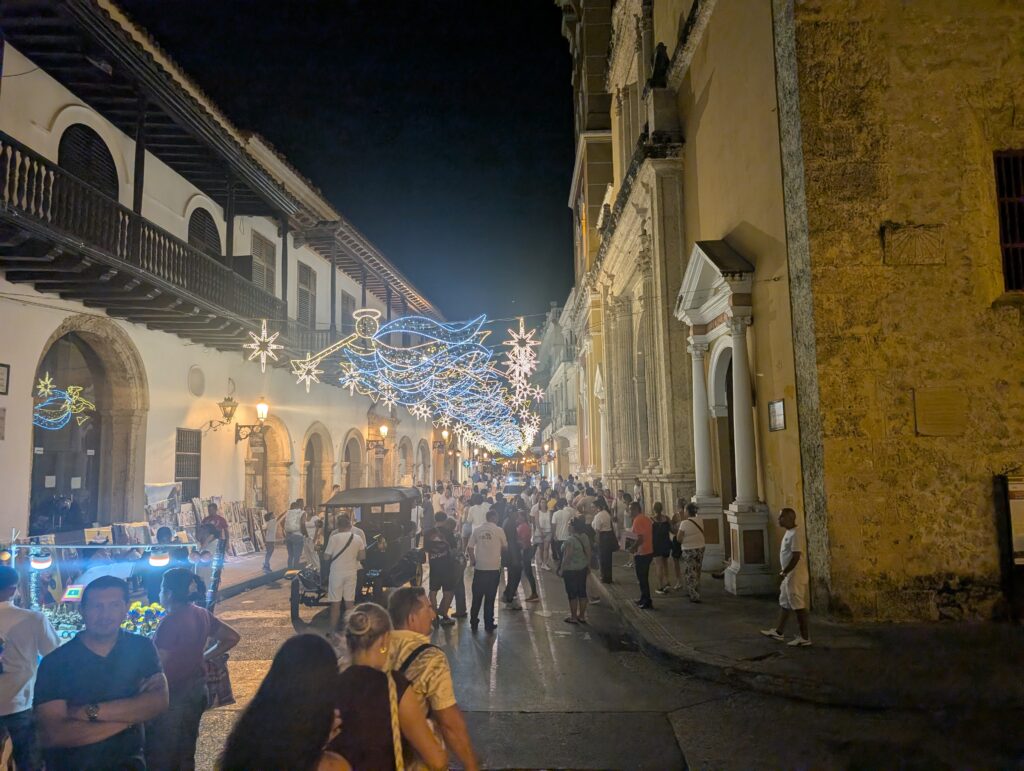
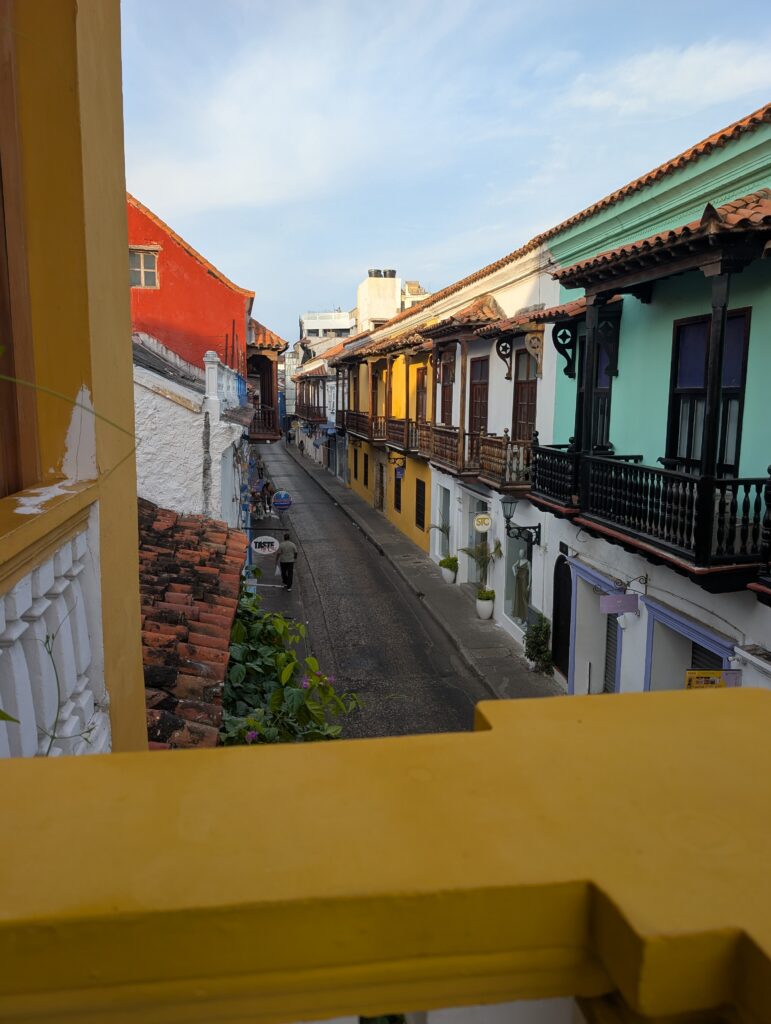
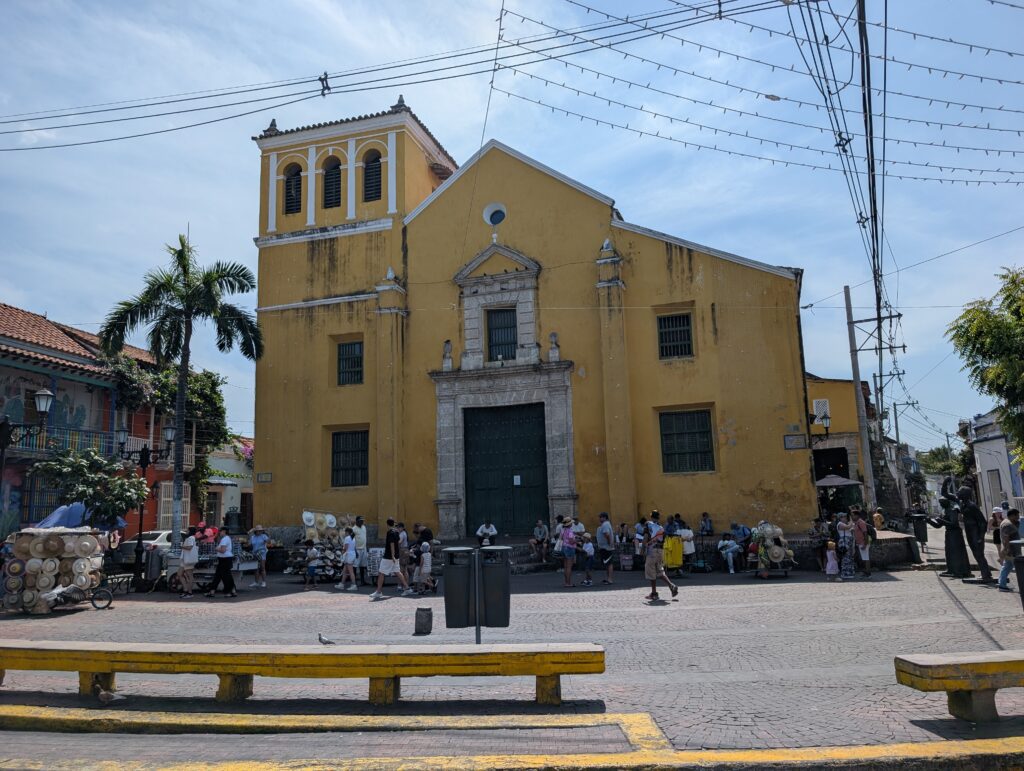
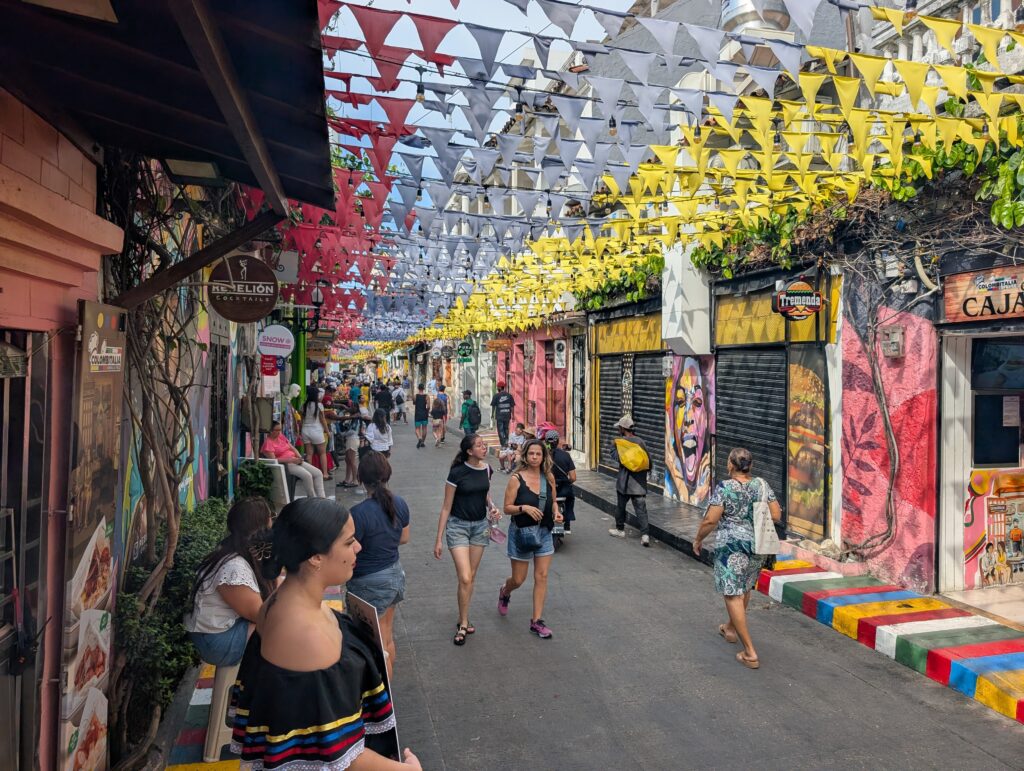
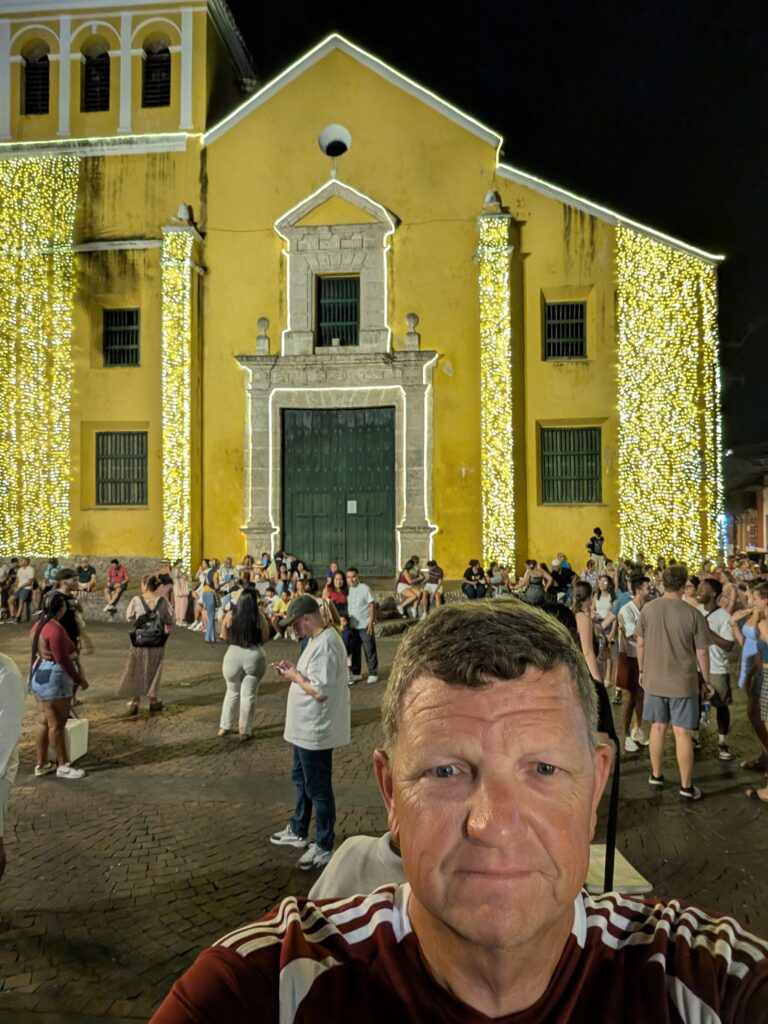
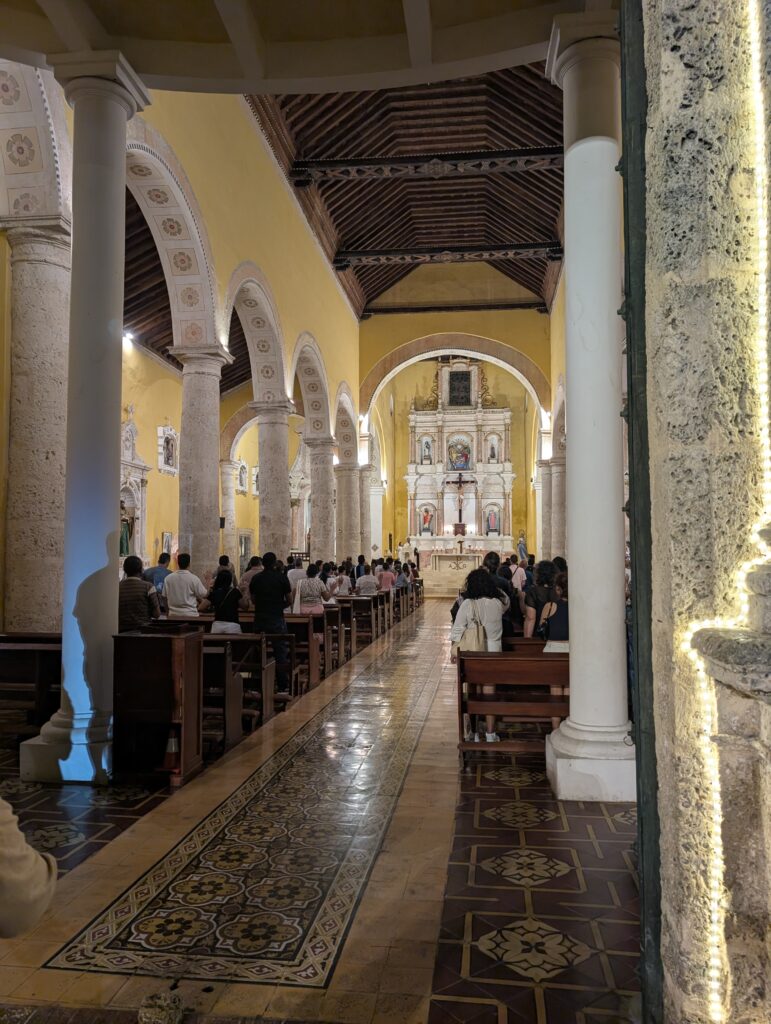
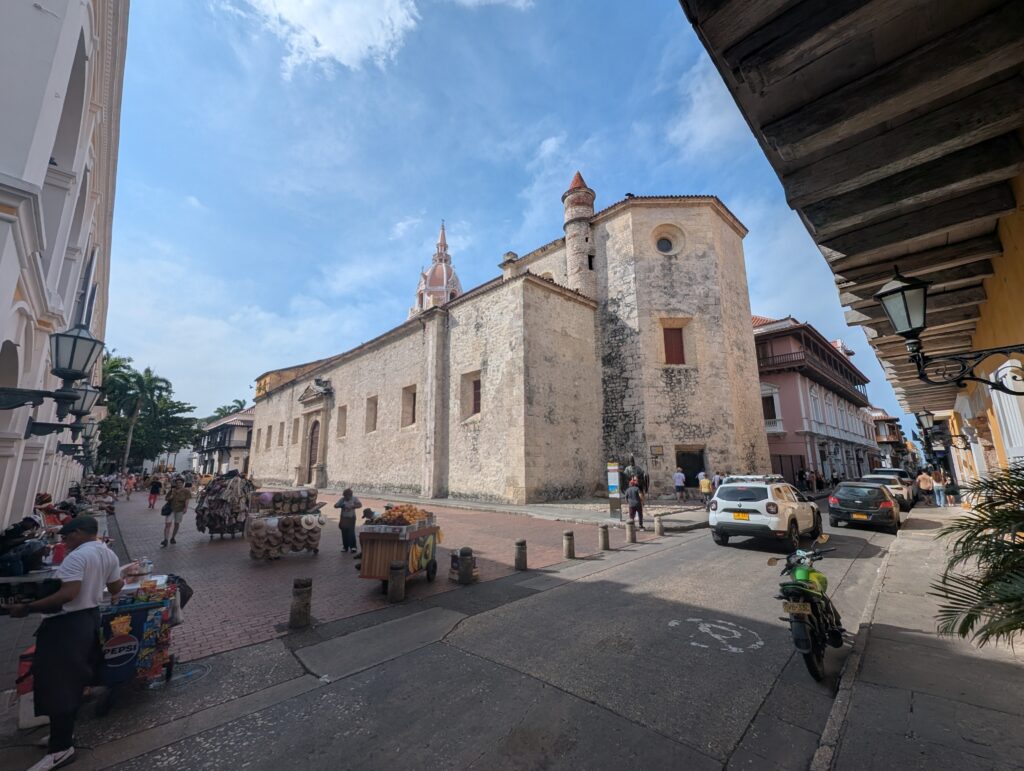
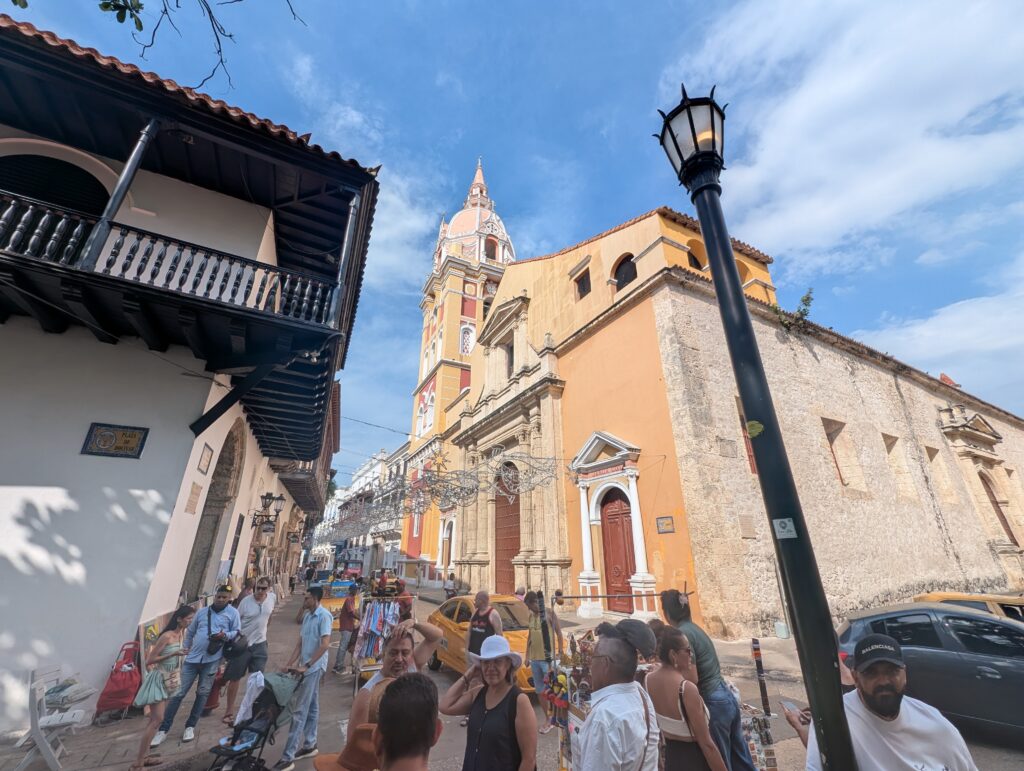
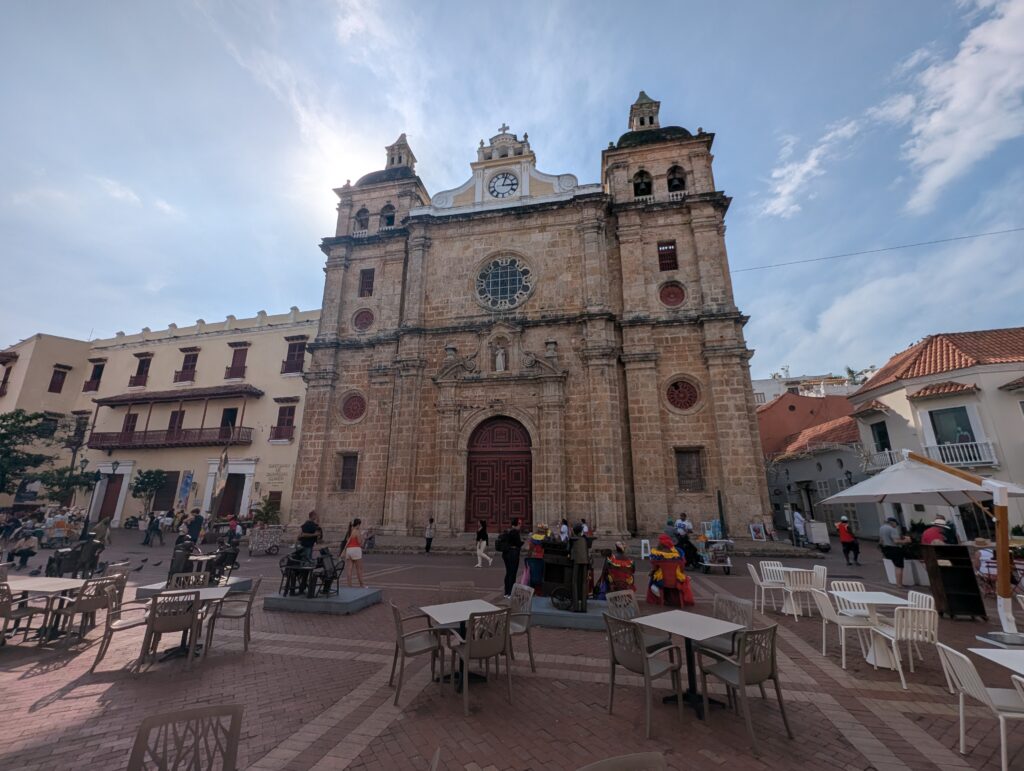
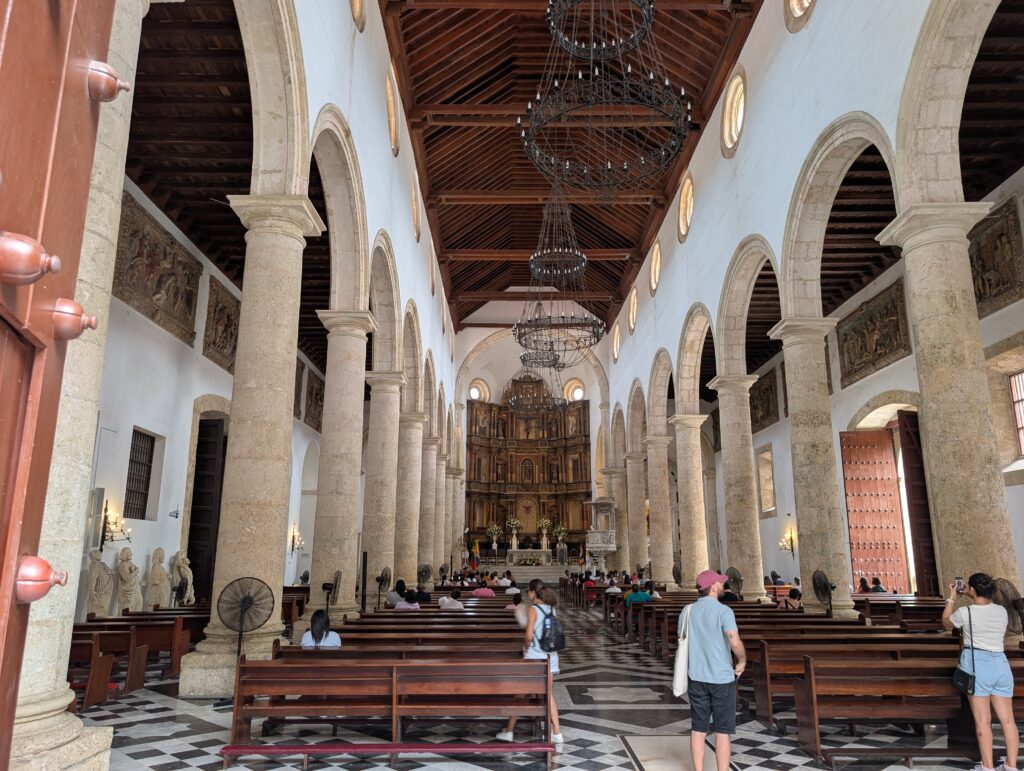
We arrived in Cartagena late enough Thursday night that I knew we wouldn’t get an early start Friday. That would be OK. Not much happens in Cartagena early in the morning anyway. We made a reservation at a hostel, but at Andrew’s request had a private room. Our hostel was in the old walled city. This is a very touristy area with shops and restaurants that are relatively expensive by Colombian standards. The colonial architecture is attractive, and there is always a buzz of activity, even well into the night. Because we had the private room, I only made the reservation for the nights that Andrew would be with me. It seemed like an unnecessary expense to book a private for a few more days when I would be alone. Further, I didn’t know for certain when my San Blas sailboat would be departing.
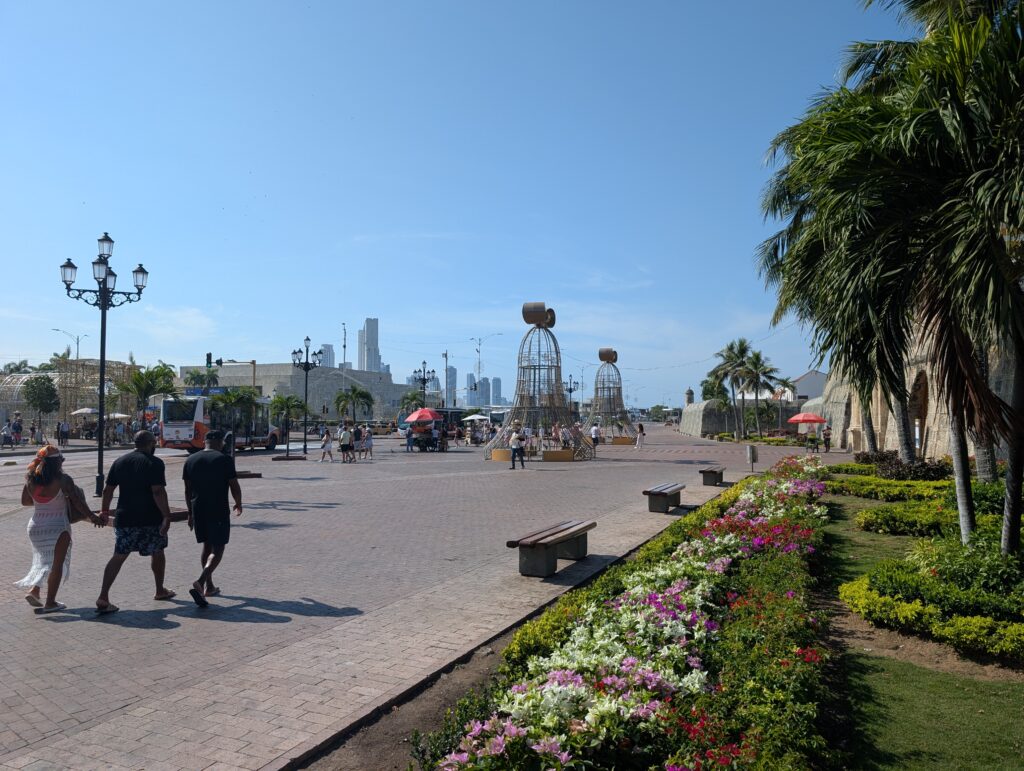
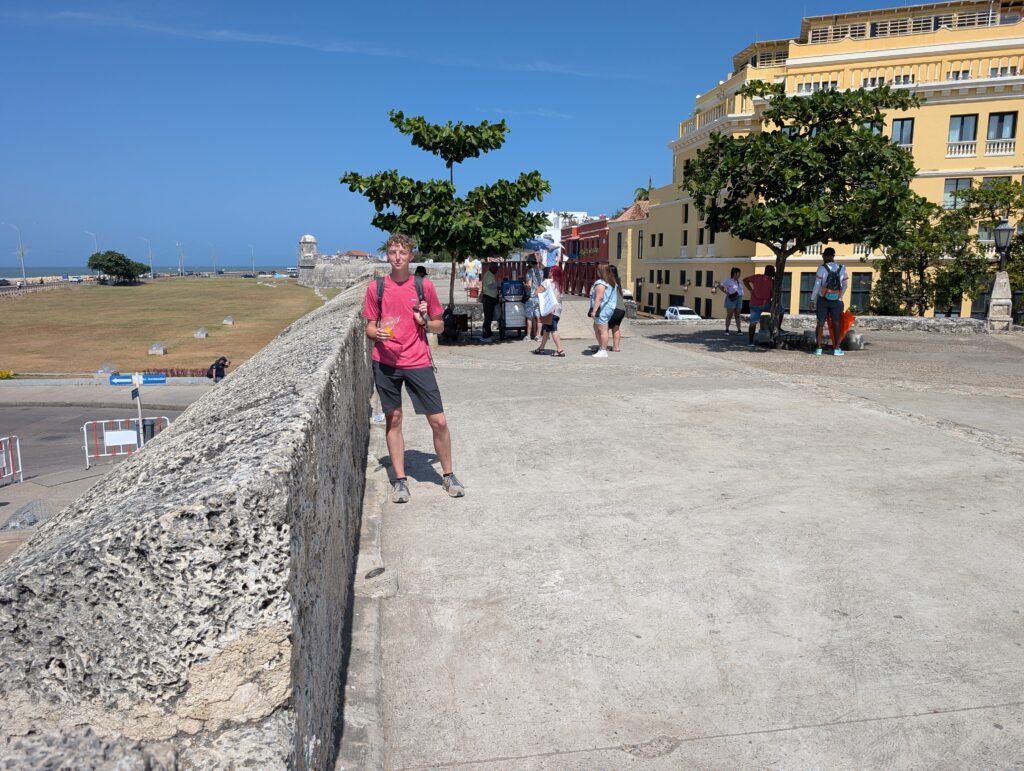
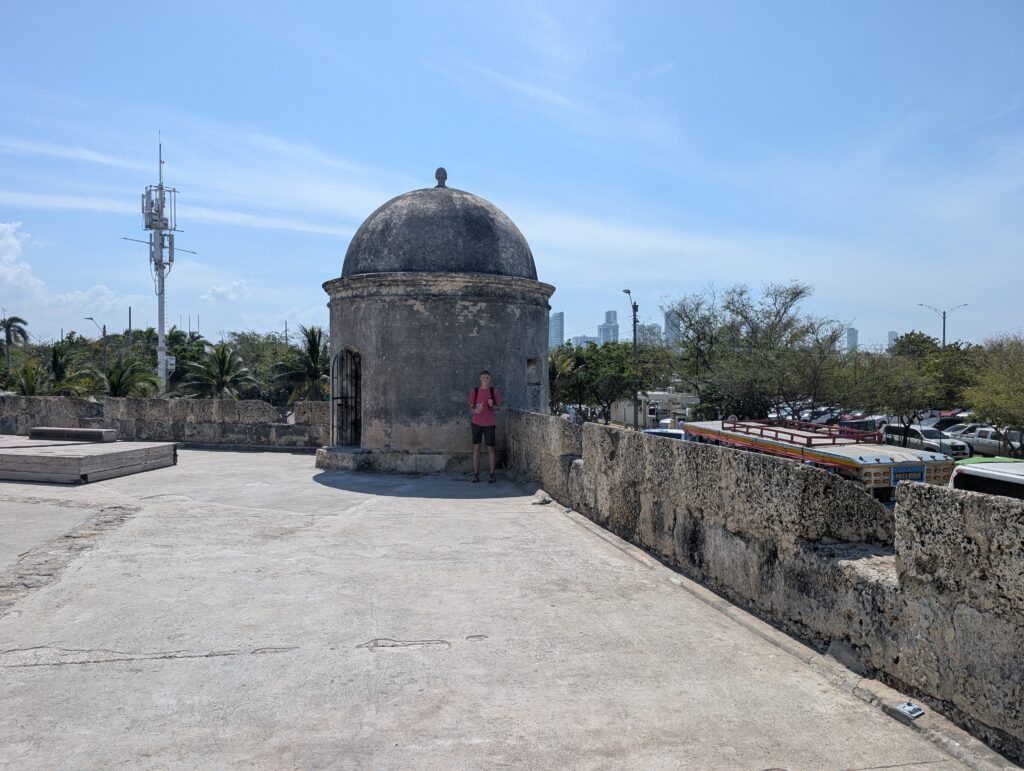
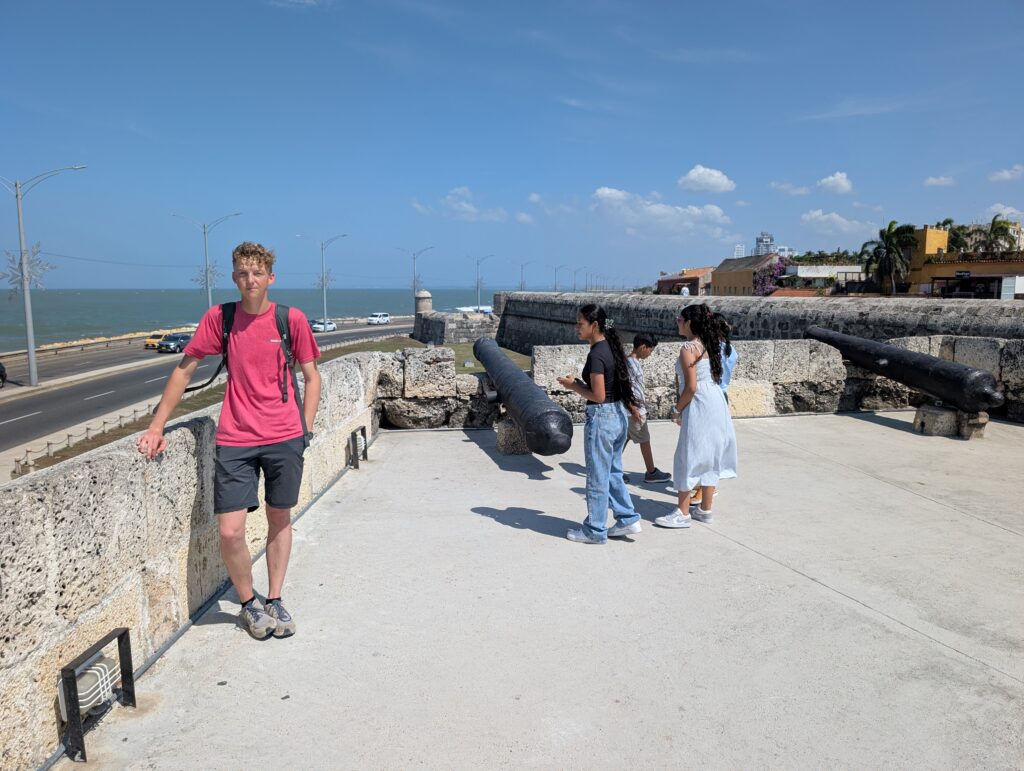
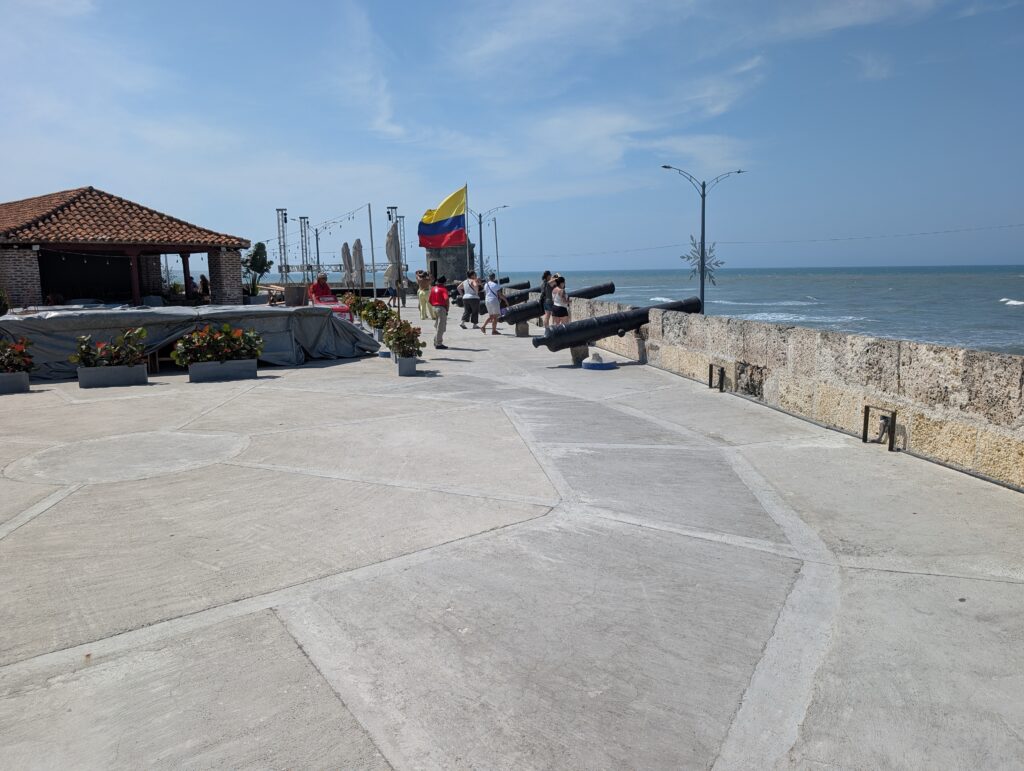
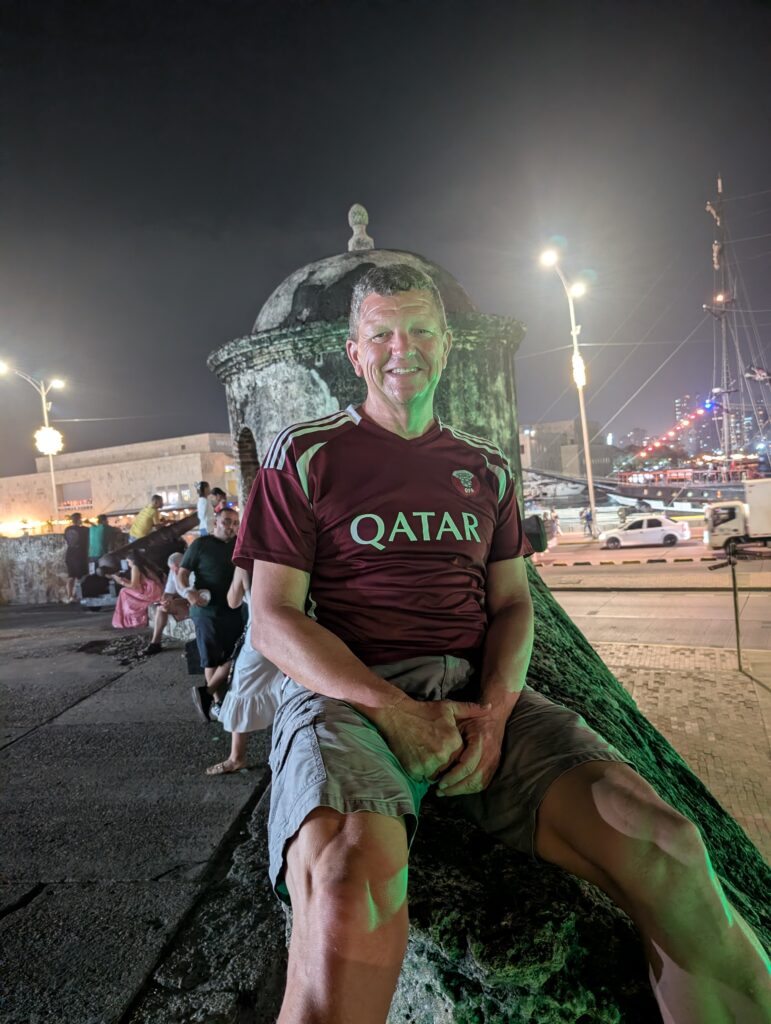
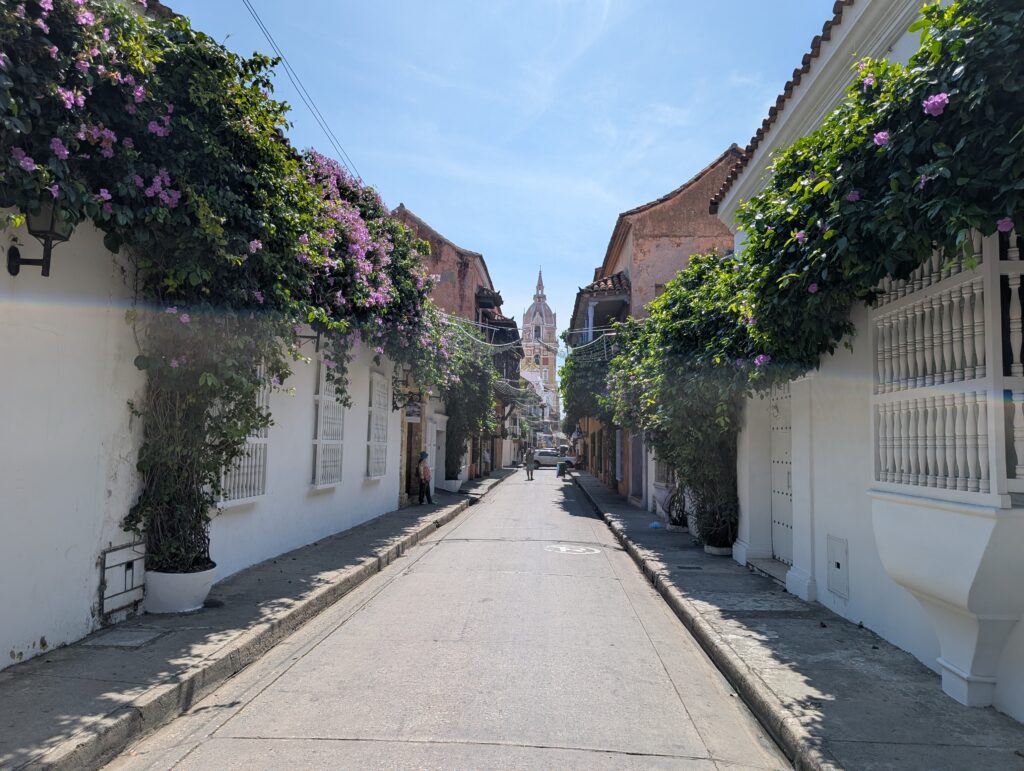
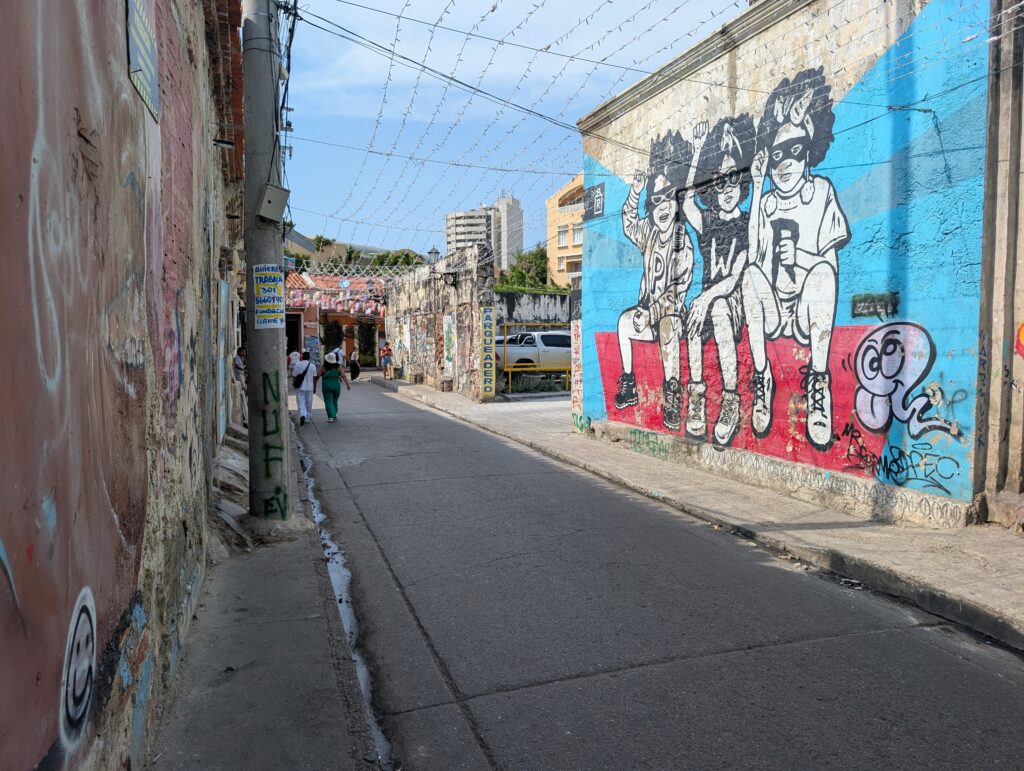
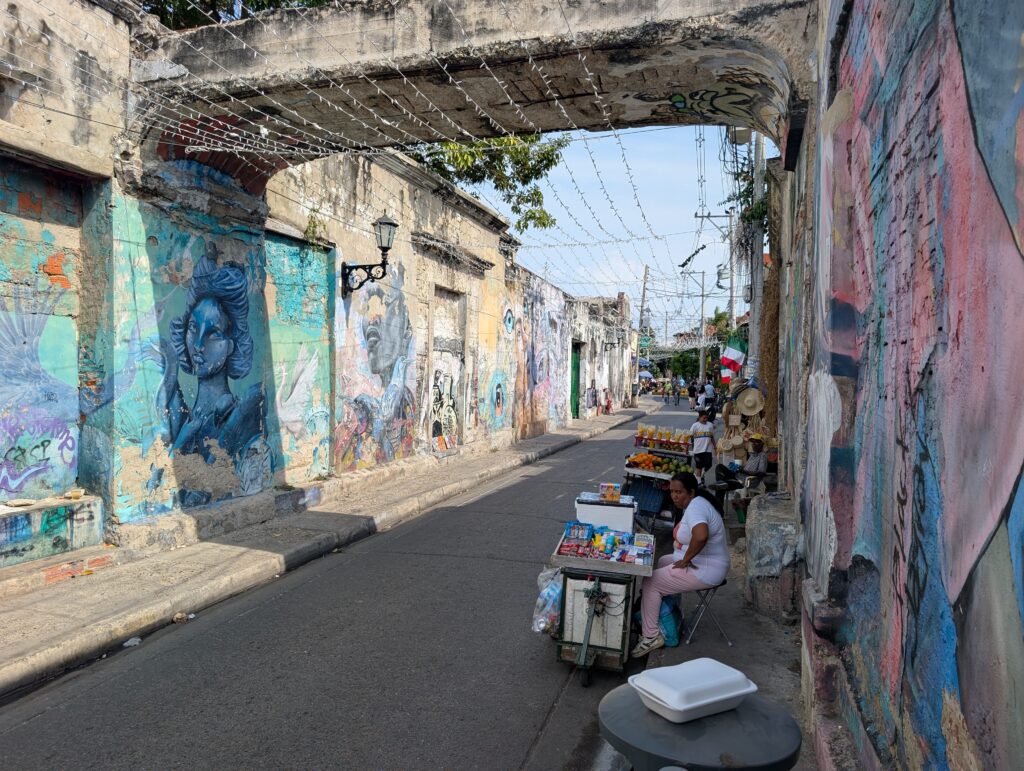
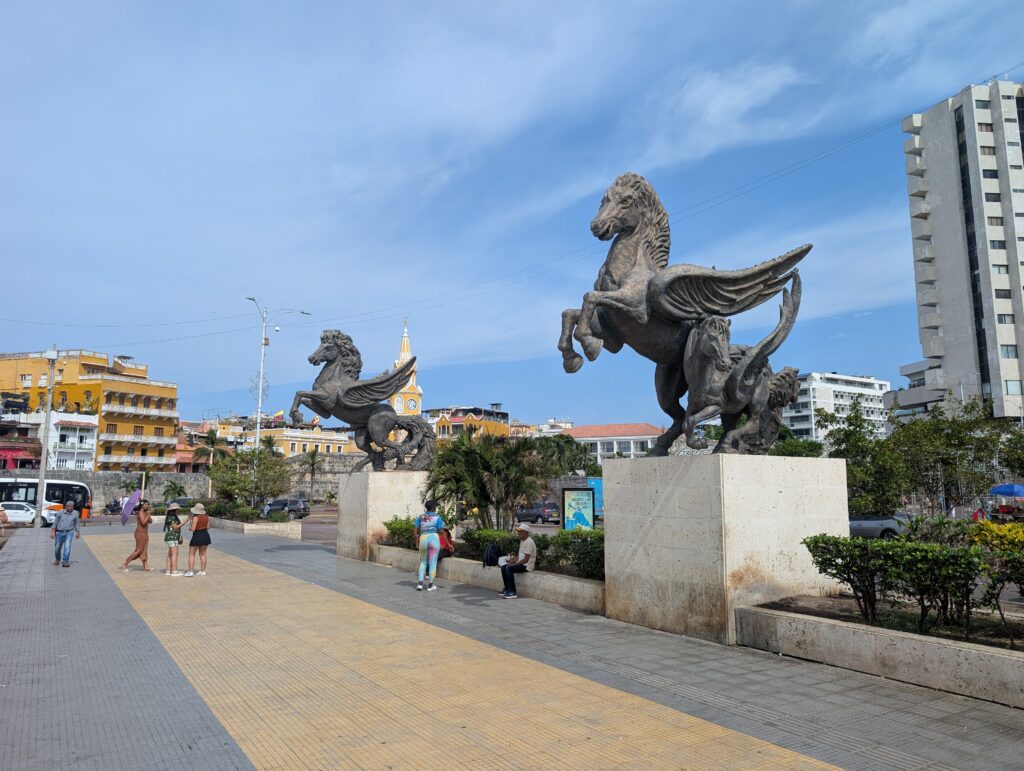
I was up ahead of Andrew, and went out running. There were plenty of folks out running early, but even the street vendors don’t seem to get the early start they do in Bogota. I ran along the waterfront, and along some of the old city walls. Once Andrew was up, we set out walking the streets of the old walled city. Andrew especially liked the narrow colonial streets, and the Spanish style architecture. We walked along the thick city walls, designed to protect the city from pirates and privateers sailing the Caribbean. The walls and associated fortresses were redesigned and strengthened multiple times over the centuries of Spanish rule. It is amazing to think that the Spanish ruled South America for longer than America has been a country.
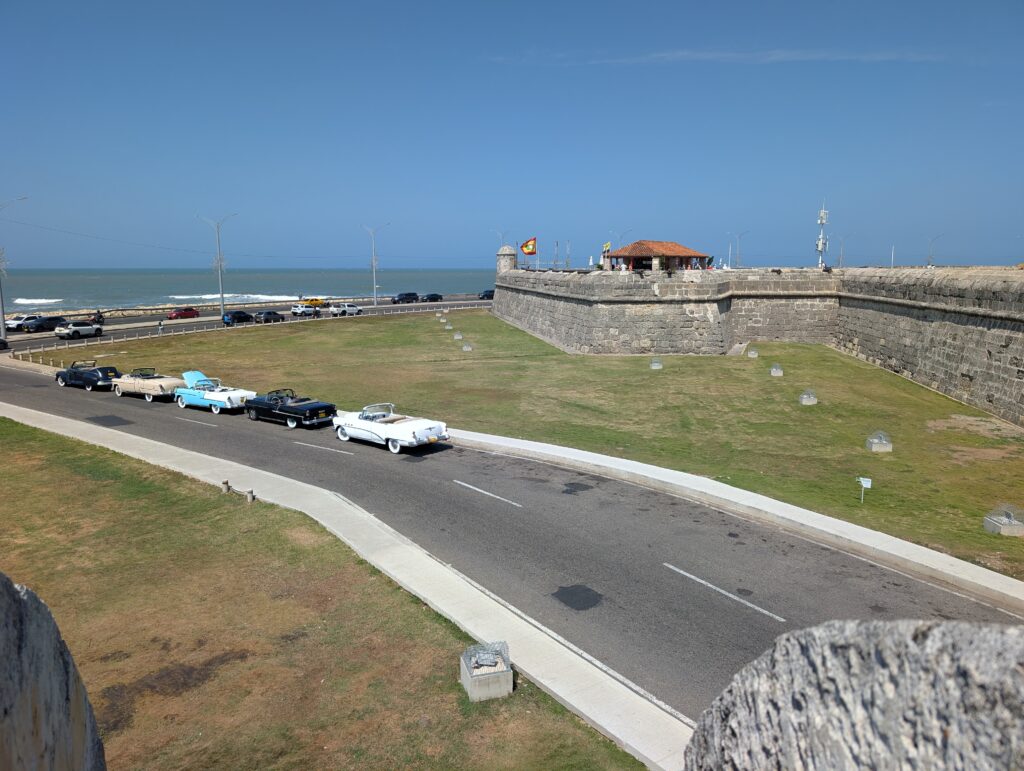
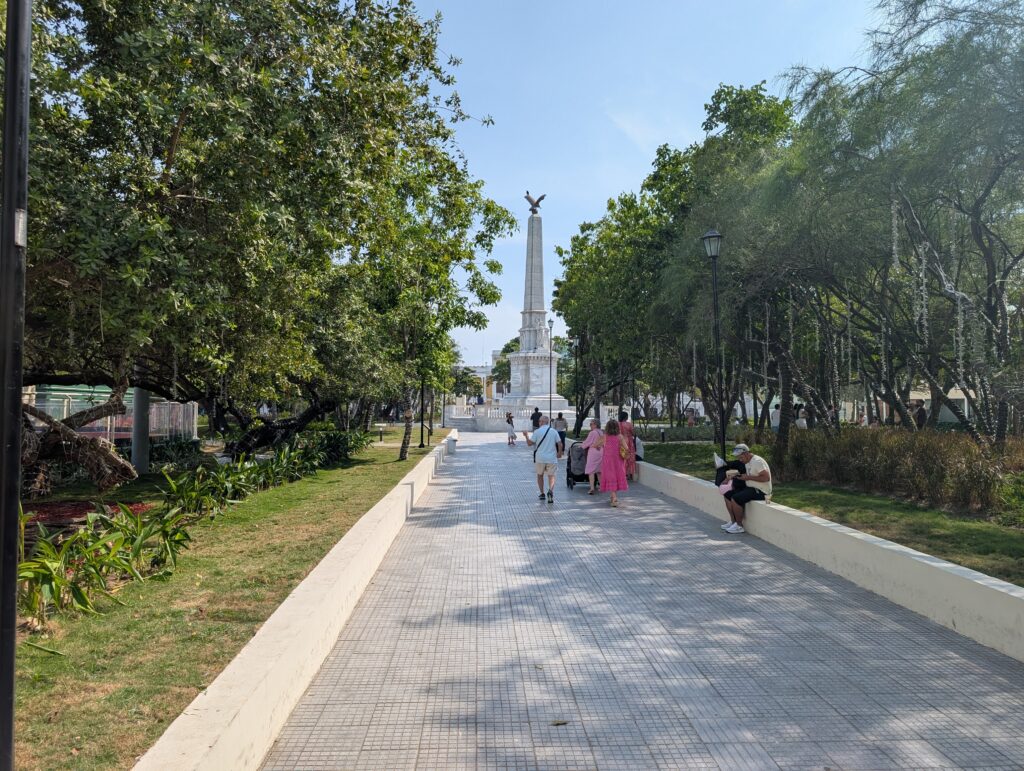
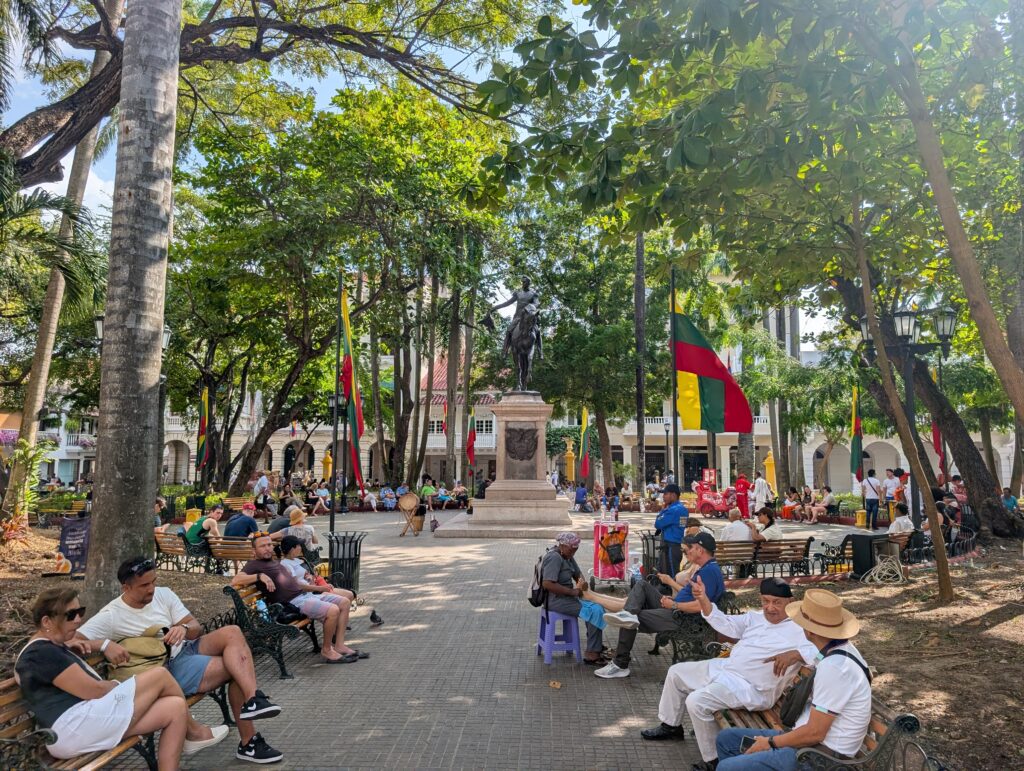
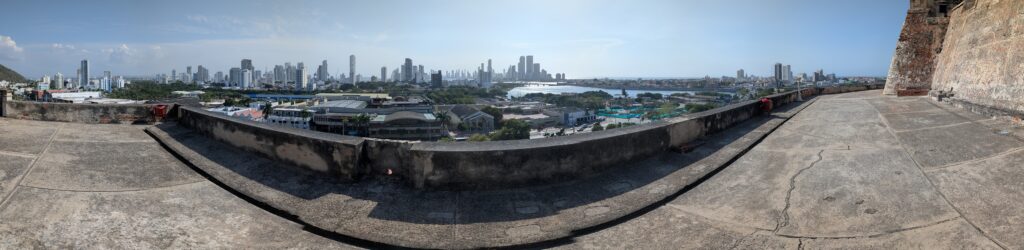
From the walls, we looked over the harbor to the more modern area of the city. We saw a collection of classic American cars. I also noticed a couple of museums I might come back to visit later, after Andrew had gone home. We grabbed some lunch, though it was not the cheapest meal I had in Cartagena. We found a nearby Bolivar Square, as we had in so many Latin American cities. We then decided to walk out to Castillo San Felipe, a large fort that was part of the walled city complex.
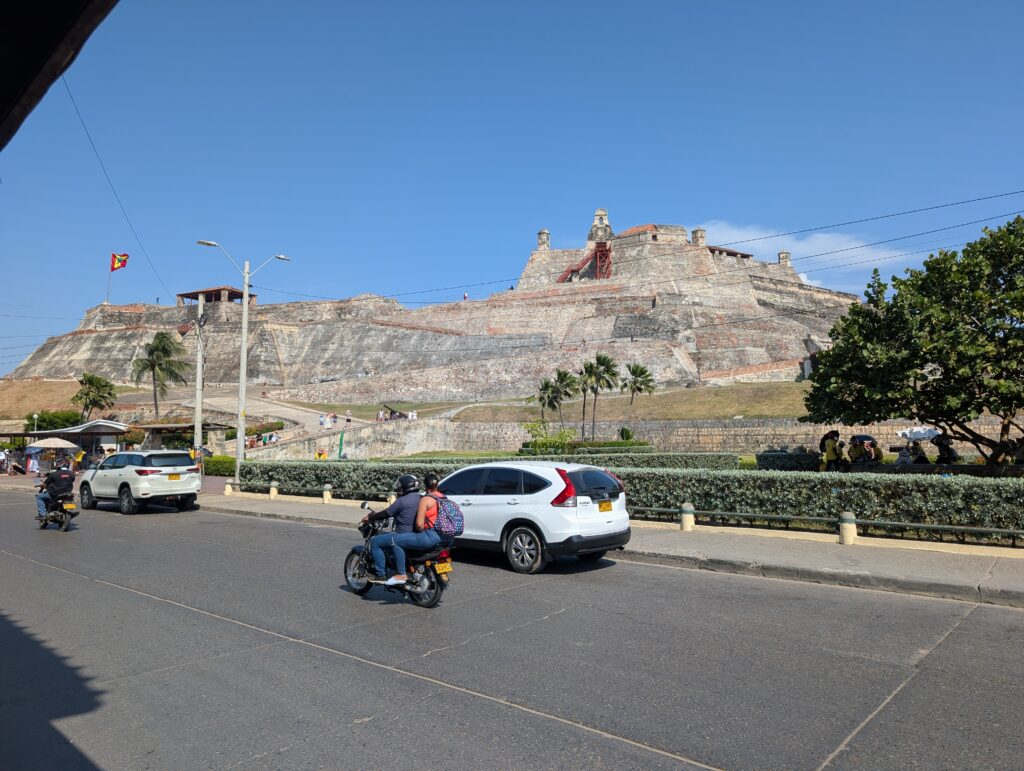
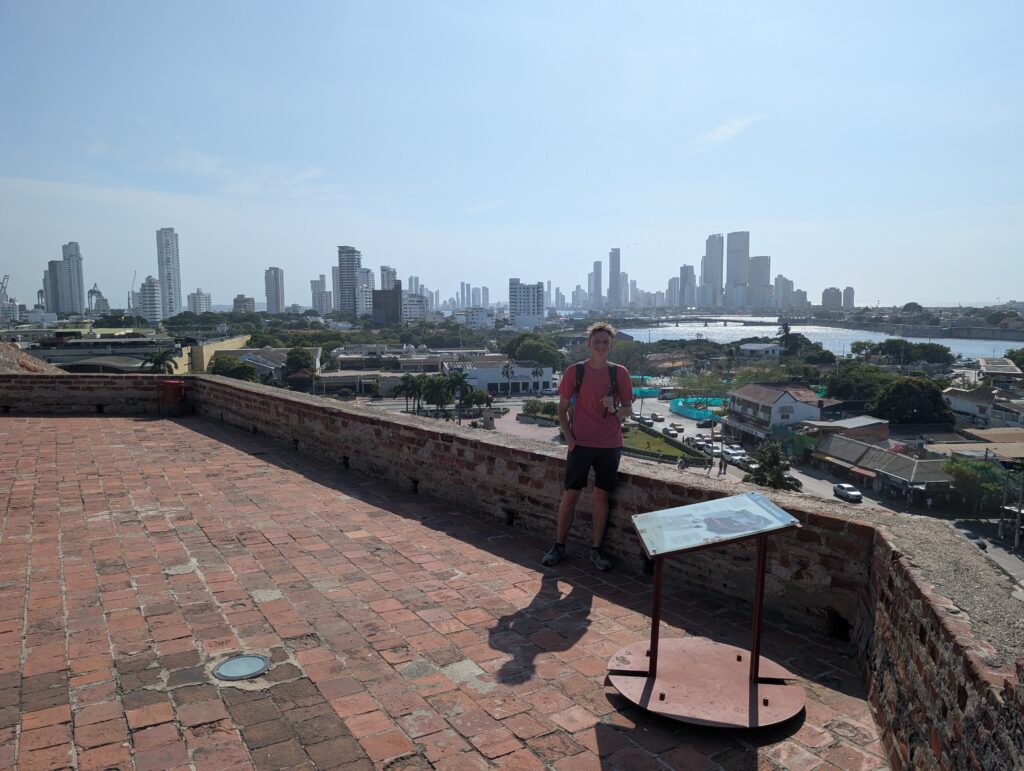
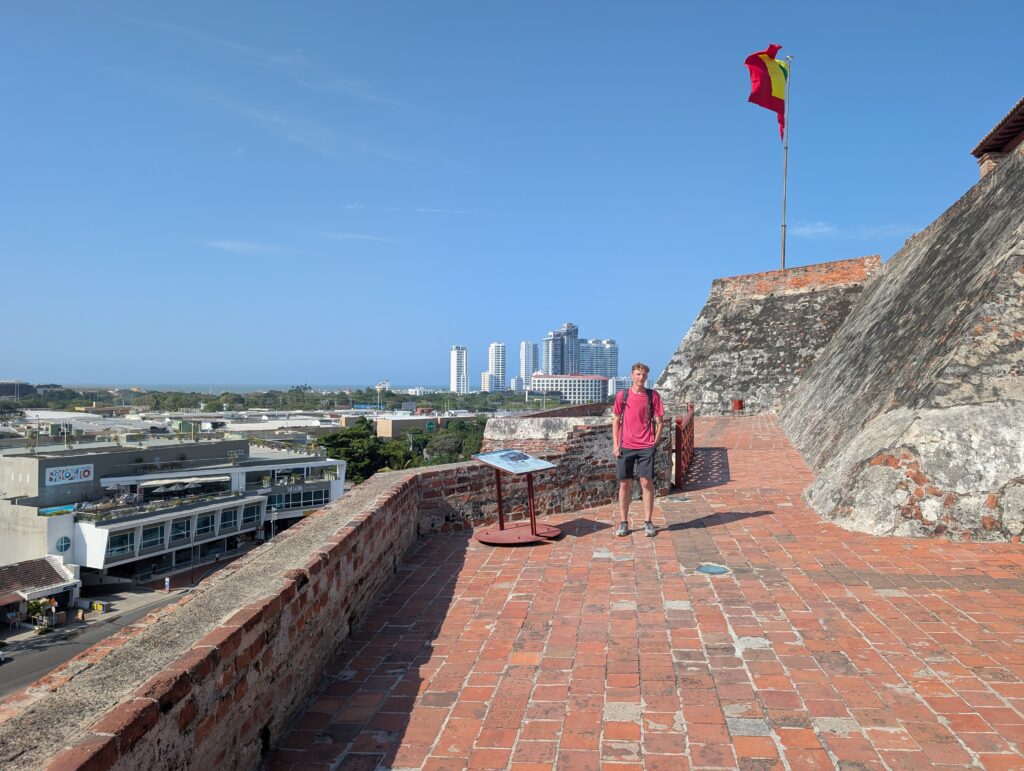
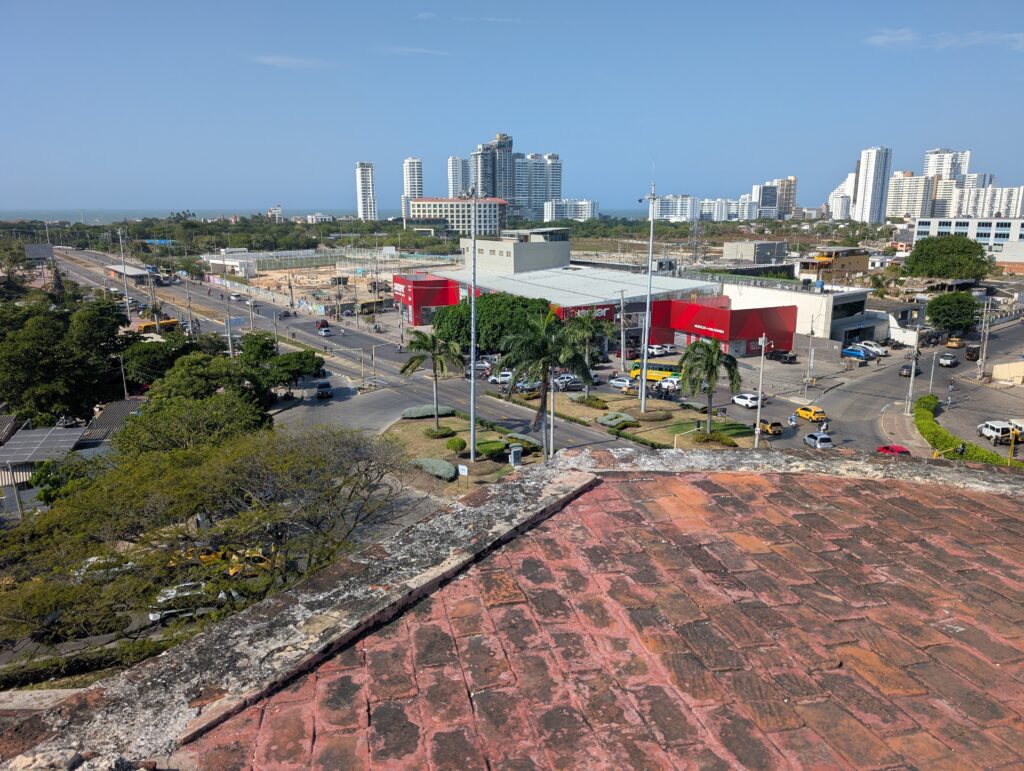
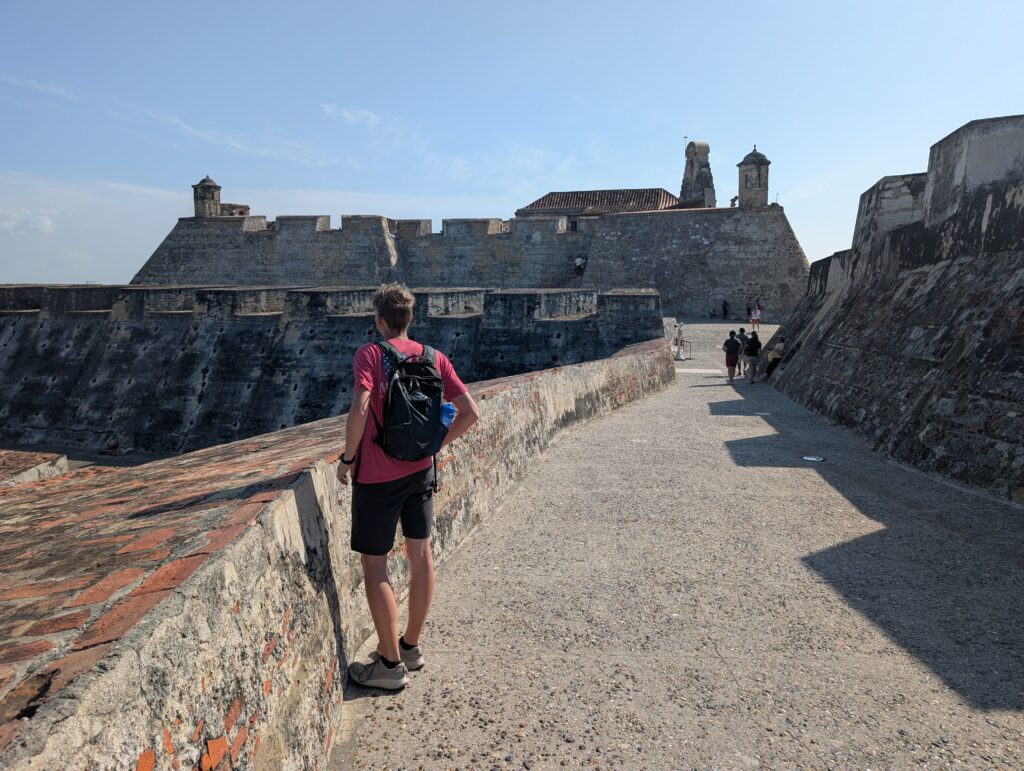
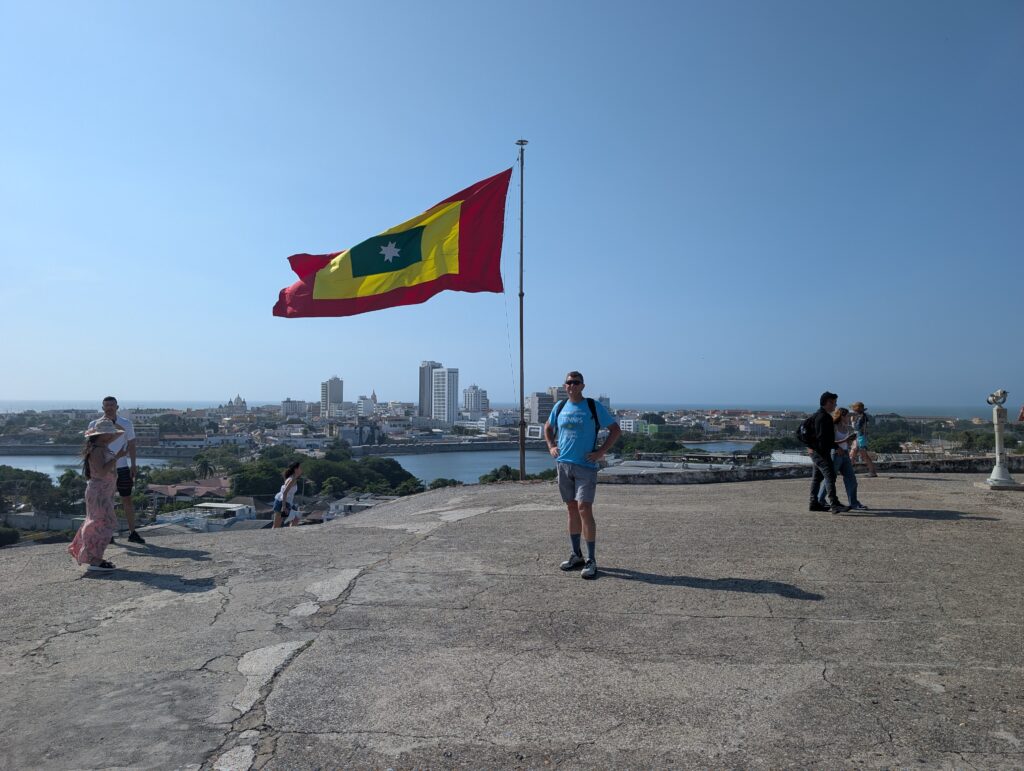
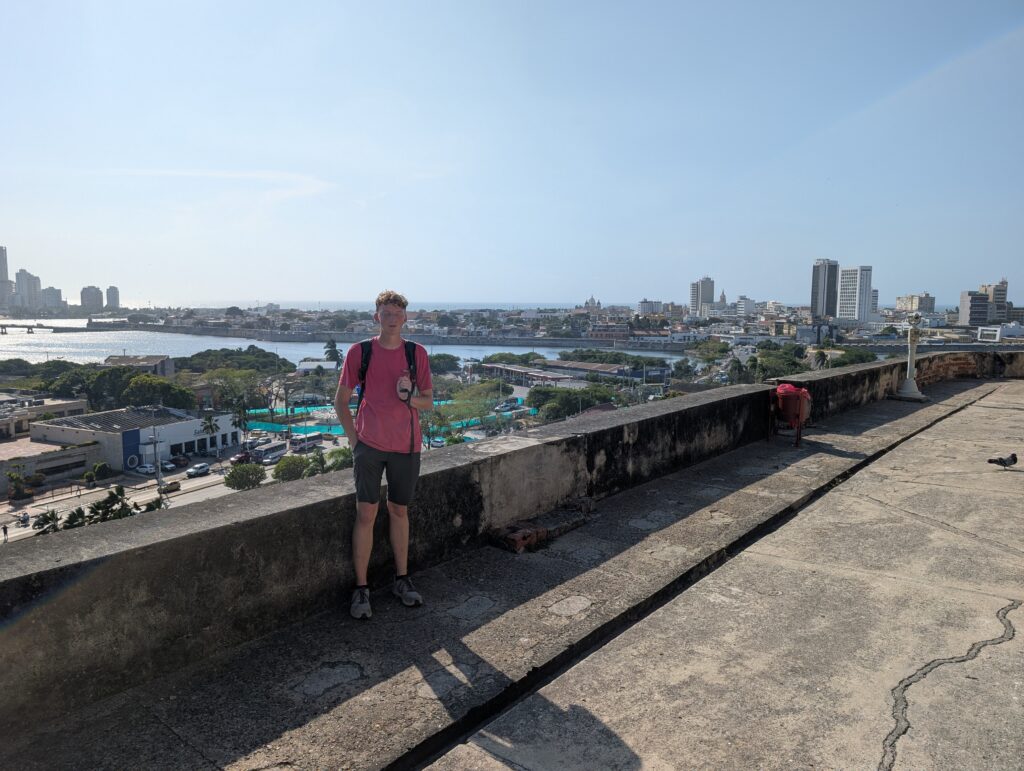
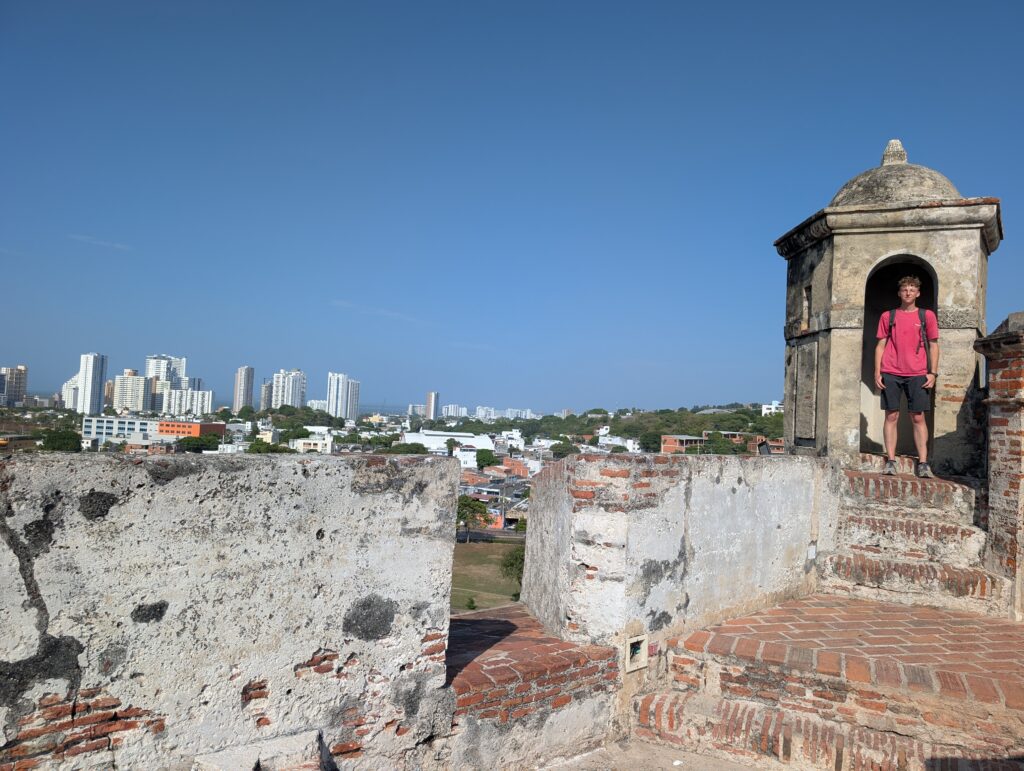
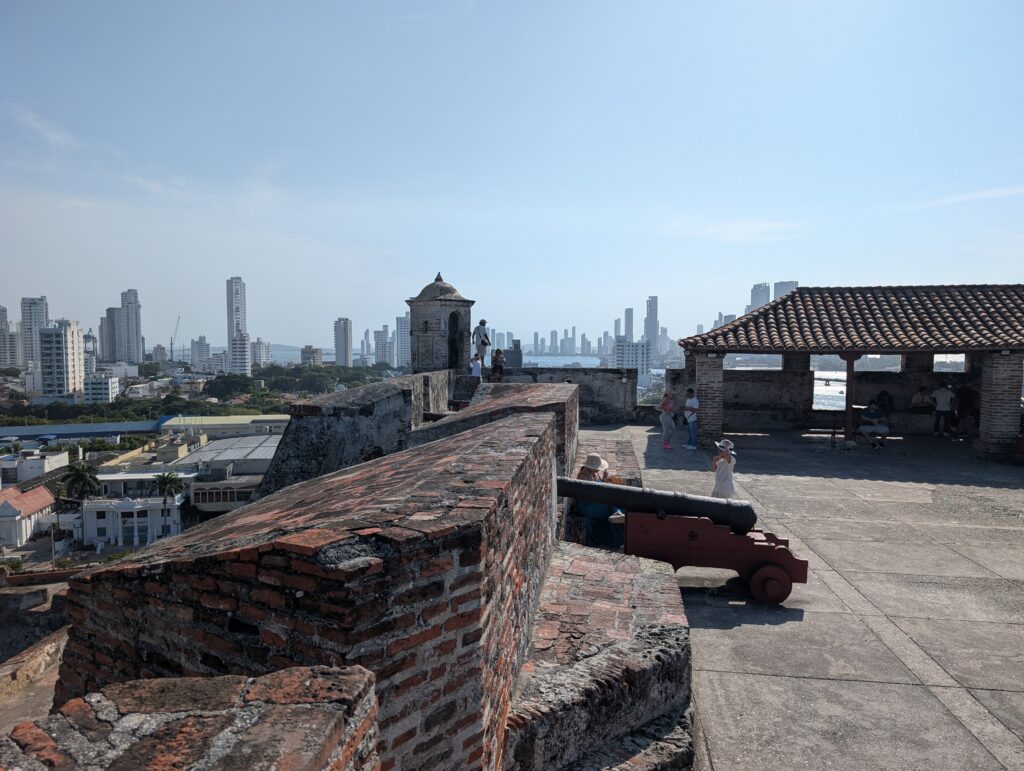
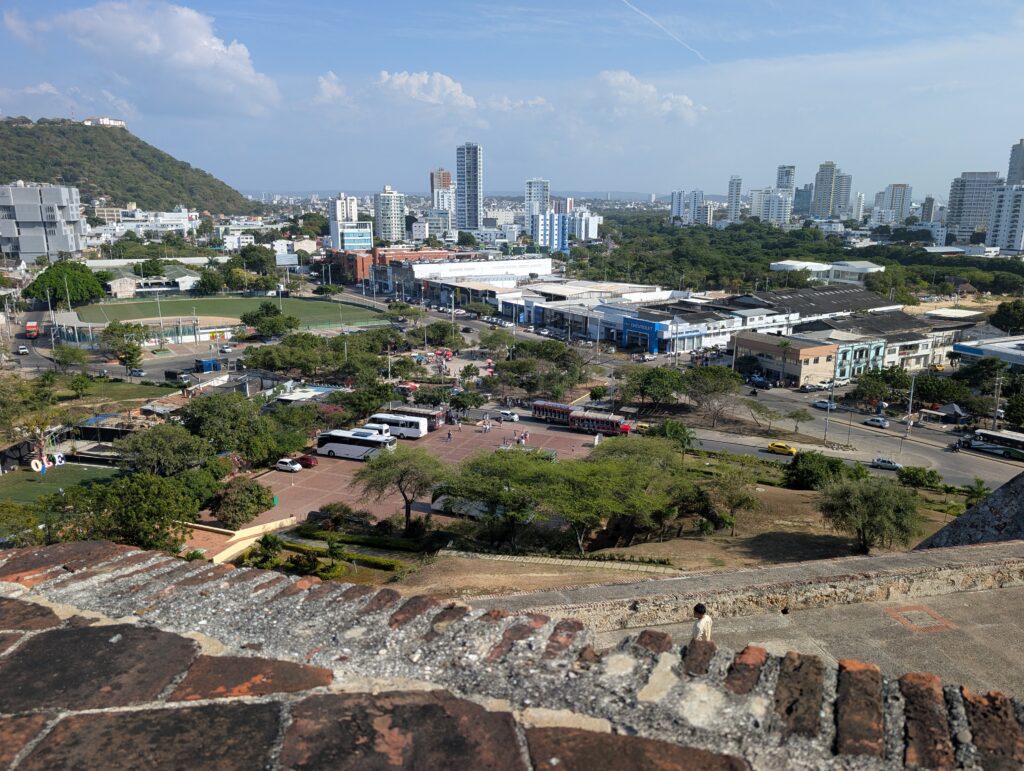
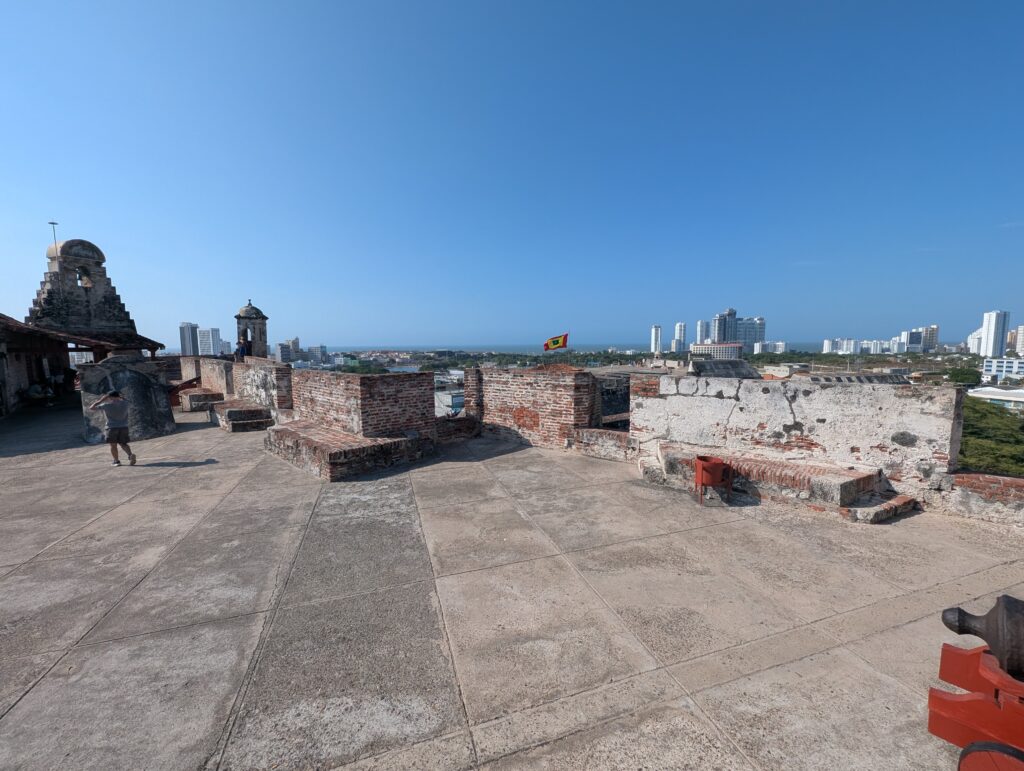
There was a fee to walk the Castillo, but it was such a prominent feature, we felt we could not miss it. The walk along the fort’s cement walls was hot, but there was some breeze at the top. The fort was originally built in 1536, and expanded to more or less its present form in 1639, with a final expansion in 1657. It was involved in several major Caribbean battles during the Spanish period. It was captured by French privateers during the Nine Years’ War (also known as the War of the Grand Alliance, or King William’s War). Spanish forces successfully repelled an attack by Englishman Edward Vernon during the War of Jenkins’ Ear. The fort sits high on San Lazaro hill, with a commanding view of the city and the sea. It’s easy to see why the location was selected. It makes for some very nice city views during modern times.
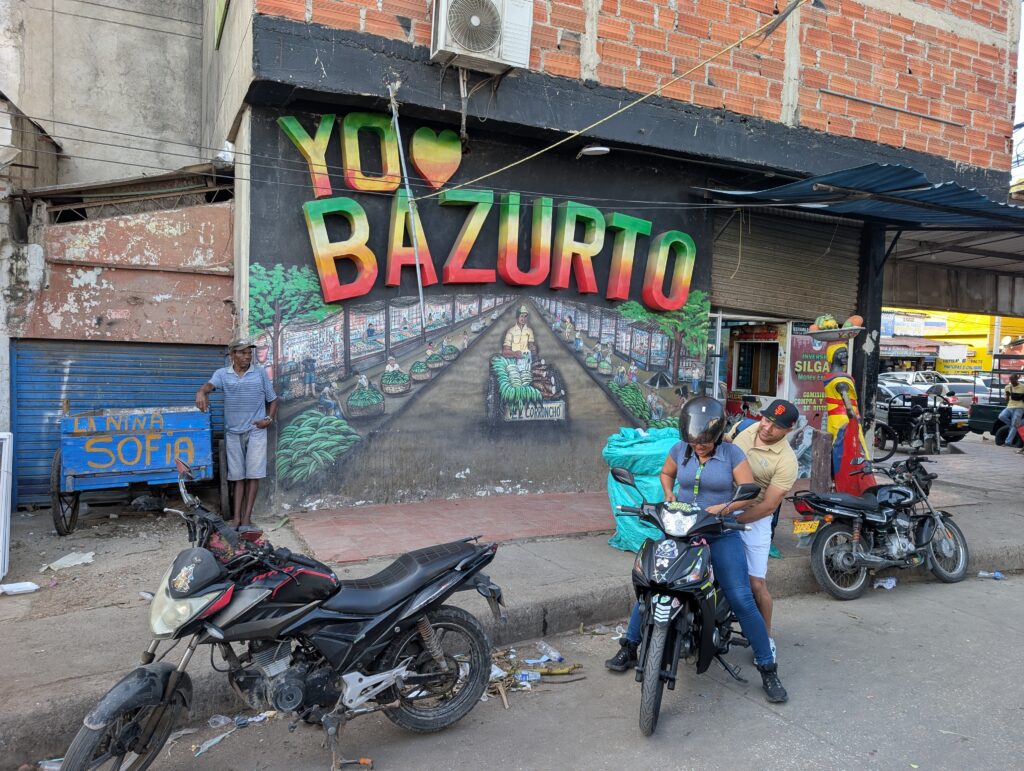
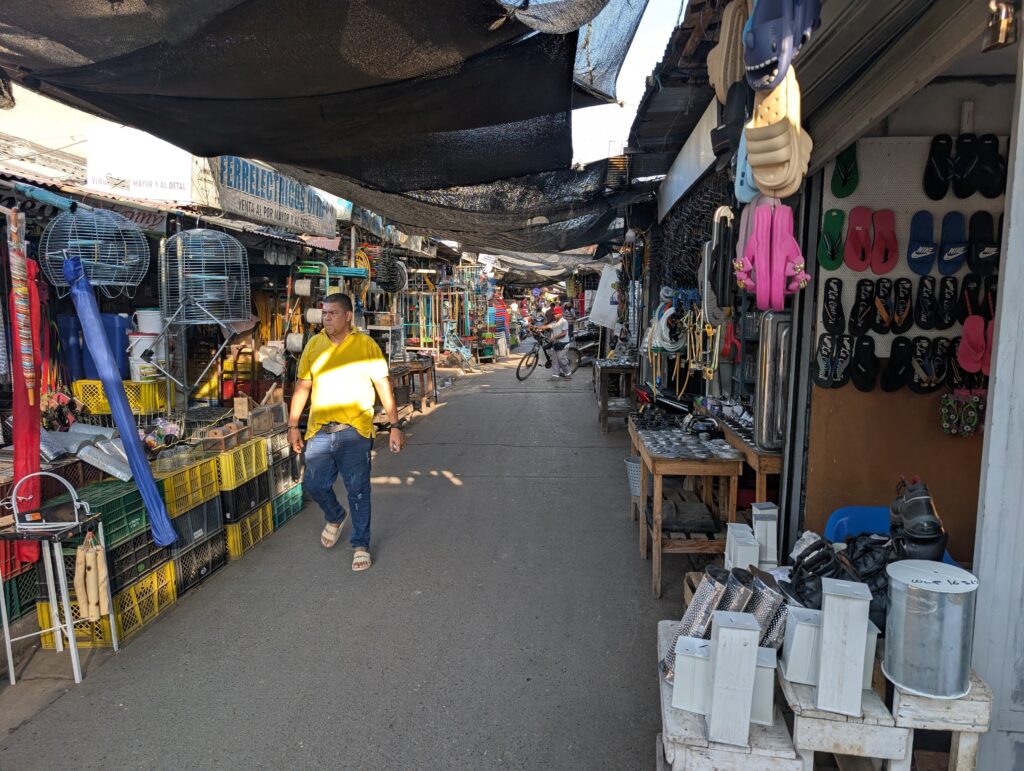
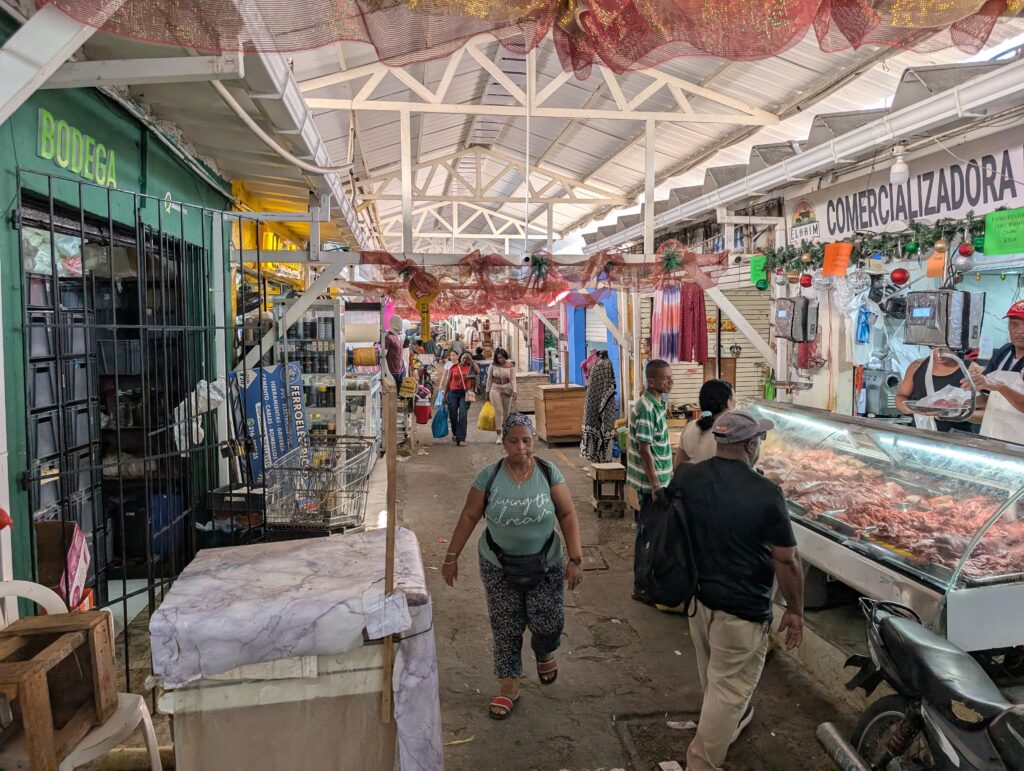
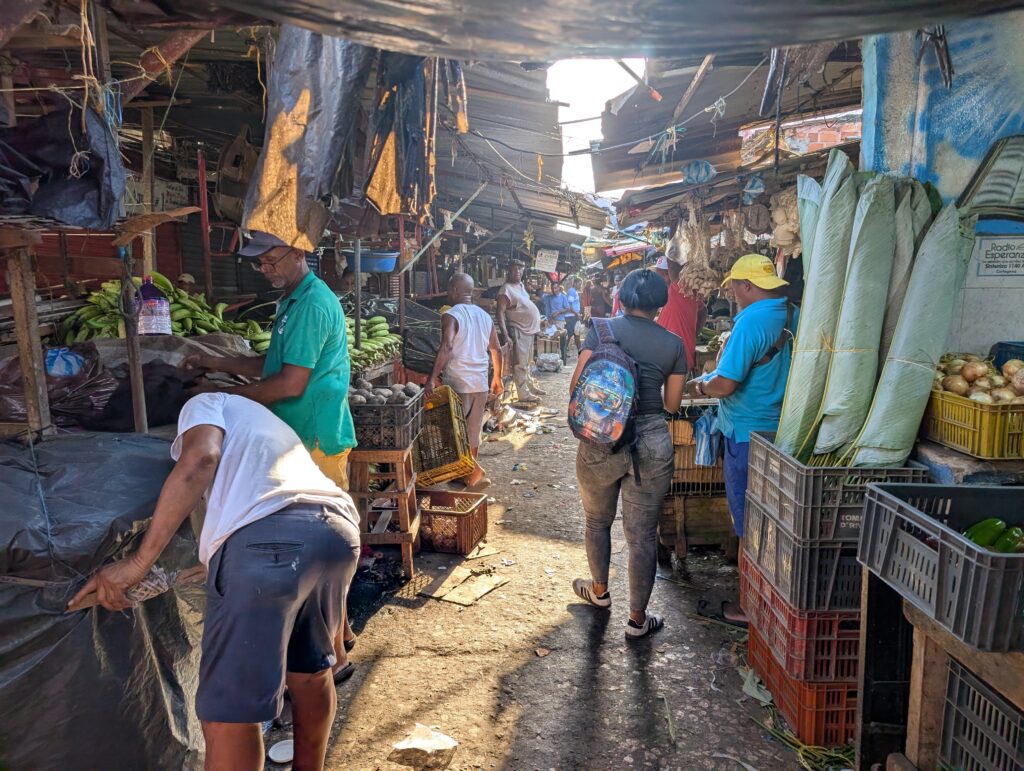
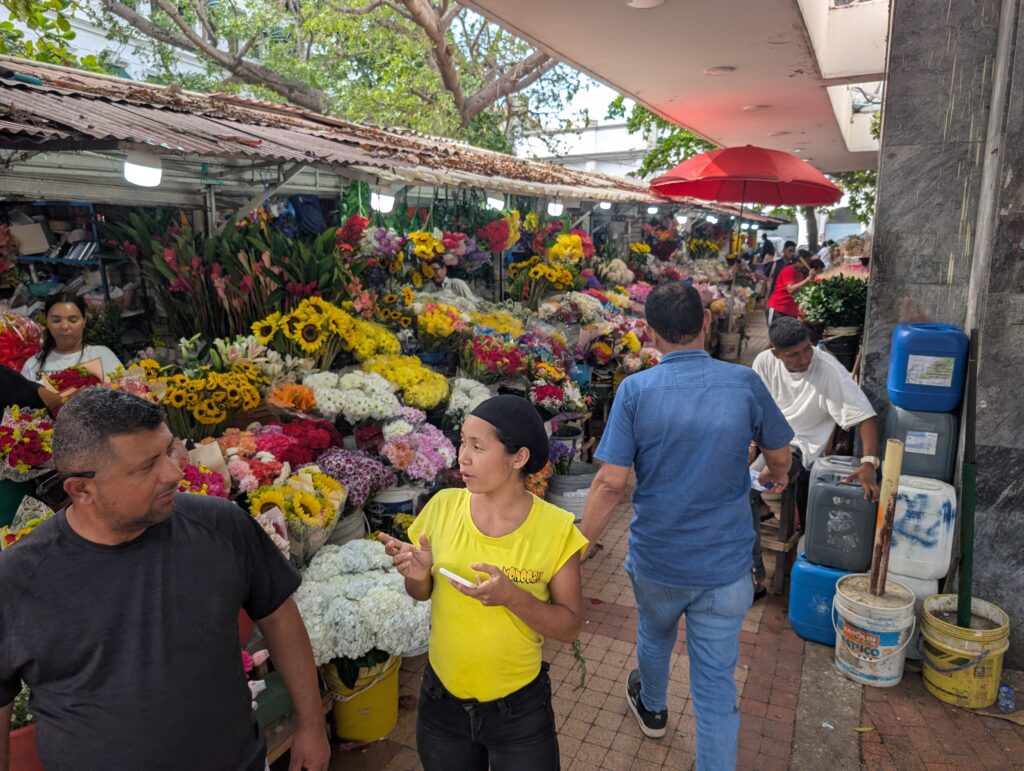
Other than eating supper, our last major stop was Bazurto, a crazy local food and dry goods market not that far from the centro area. We had to hike a ways to get to Bazurto, but it was worth it to see something more akin to where locals would shop. Bazurto is interesting in that there is a part that looks more like a standard tourist market with clothing and other kitsch type merchandise, and a grittier food market. They are substantially different, though connected. The more local oriented food market seems to get dirtier and less appealing the further you get into it, and eventually ends in what is essentially a trash dump.
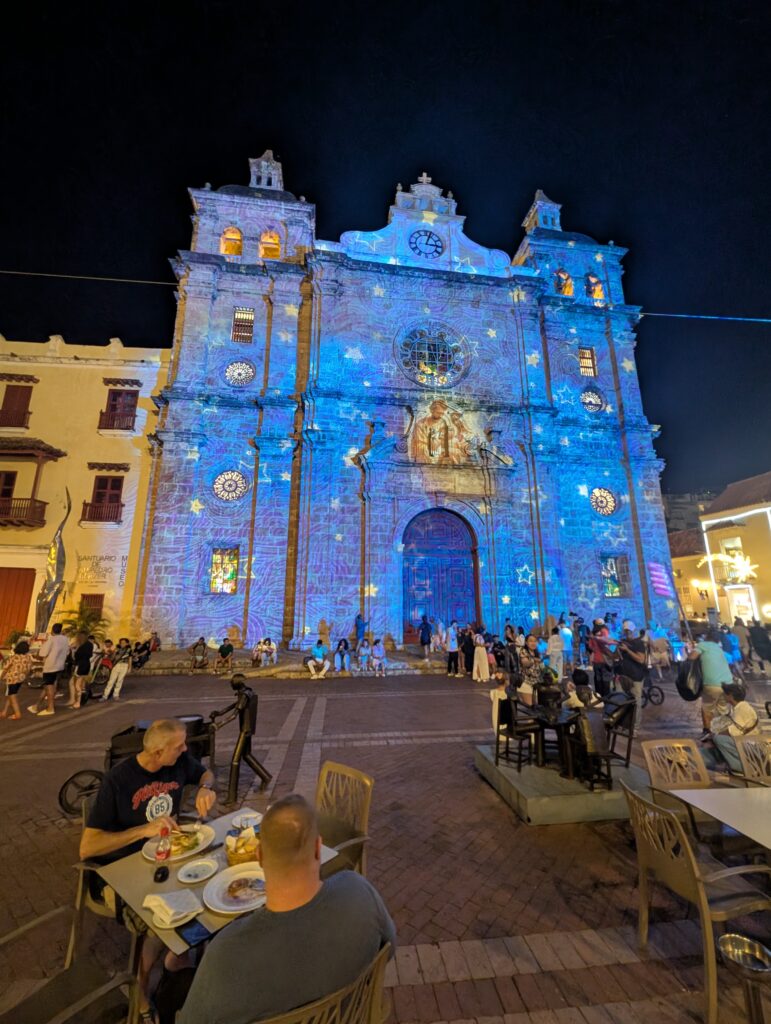
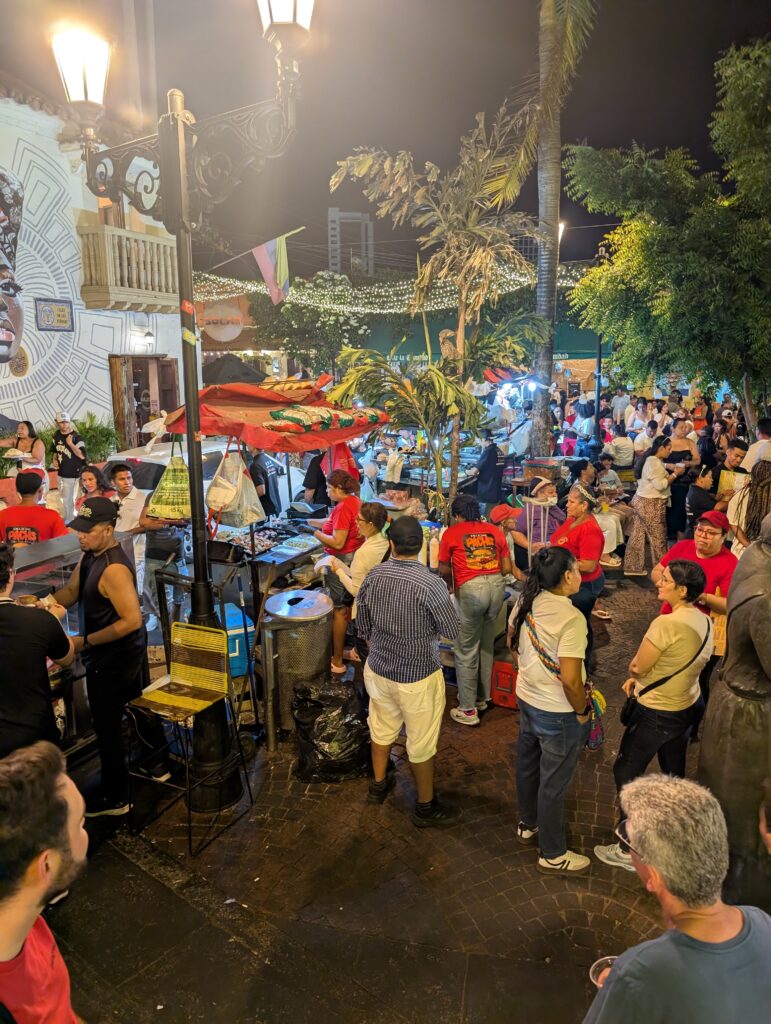
Finally, we ate at a street restaurant on the edge of the walled city. Andrew was tired, and called it a night, while I went back out to walk the night streets in search of something to drink and maybe a dessert. While on the way back to the room, I was approached by a nice looking young lady in her mid twenties, selling herself. I am always deeply saddened by these encounters. I took the time to visit with the young woman, but was careful to let her know that I would not be a customer.
Like many people in Colombia doing menial tasks, she was Venezuelan. I learned later, that she was about the same age as my oldest daughters. She had a daughter of her own back in Maracaibo. She had training to be a nurse, but that training was not accepted in Colombia – at least all of this was part of the story she shared with me. Her name was Sara Cadenas. The very name had such a deep meaning, for me. Cadenas is Spanish for “chains.” When I commented on that, she said it was like the gold chains she would earn from her work. I tried to learn what could be done to help her leave this profession if she could, or wanted to. Unlike the girls I met in Thailand, Sara readily admitted that she thought the job was kind of disgusting. She thought if she could find a way to get her papers accepted so that she could find legitimate work in Colombia, she could be freed from the chains binding her to the oldest profession.
In the end, I don’t think this was Sara’s first time working non-customers. As we parted ways that evening, she told me she was hungry, and asked for something to eat. I gave her some cash, and told her that she was welcome to eat with me the entire time I was in Cartagena, and I shared my contact information with her for that purpose. I prefer to share food, rather than cash. During the course of my stay, I ate with her once, was asked for cash a couple more times, and eventually found an attorney at church who could help her with her legal status. I offered to pay for this service and offered to put her in contact with this attorney, but she found reasons to put it off. She responded gratefully, but in the end, just wanted to extract what cash she could, rather than truly seeking a way out.
I think she may well have been honest about thinking the profession was disgusting, but like a gambling addict, always wants to take a few more spins on the wheel rather than quitting cold turkey. I try to check on her now and then. I want her to know that if she really wants a way out, I will help her. But as of yet, she only responds with grateful statements that when she is ready, she’ll let me know. In other words, “I’d like you to help me out of this mess, just not right now.” I like to see it that way, anyhow. The real message may just be, “I want to see if someday you’ll give me more cash.”
(Continued)
Andrew had to leave very early in the morning on Saturday. He was able to figure out how to arrange his own Uber, and navigated himself to the airport and through both of his connections back to Lubbock himself. He sent me updates through the day, but didn’t need any assistance. I got up and did my run. I also had to figure out how the rest of my time in Cartagena would go. The first thing I needed to do was to figure out when I would be departing on my sailboat to Panama. I had read in several places than one could simply go to the docks and find a captain and thus negotiate your own passage at a rate likely quite a bit cheaper than going through Blue Sailing, the sort of online broker that holds a near monopoly on all of the San Blas boat tour bookings.
The problem was that I couldn’t really determine which dock you went to in order to accomplish this. There is a dock were lots of daily tours leave, but that’s the wrong one. The clock ran out on me, and I eventually just booked through Blue Sailing. Two departures were available, one that left on the 12th and arrived at Porvenir, Panama, and the other left on the 14th and went to Puerto Lindo. Porvenir is a private location from which you can only take a shuttle back to Panama City. Puerto Lindo is a lot closer to Portobelo, another place I really wanted to stop for a day in Panama. So I opted for the trip leaving on the 14th, so I could go directly to Portobelo once I got off the boat.
The next task was to find a hostel with availability through the 14th. Since January is high season in Cartagena, this was a pretty tough task. I walked around checking at over a half dozen different places. I had also checked online. Late in the afternoon, I eventually found Nueva Casa Dora – a hostel with no online presence – in the neighboring Getsemani neighborhood. It looked fairly run down, but it was clean and could accommodate me for all four days. It certainly didn’t have top notch facilities, but the people running it were generally kind. Because it was a lower tier place, and quite affordable, Dora was often full of Colombian tourists. I never met a European nor an English speaker of any kind the entire time I was there.
I spent most of the rest of the day on the 10th exploring Getsemani. I did meet Sara for supper that night in my neighborhood. I told her I would be going to church the next day, and that she was welcome to join me. She mentioned that if perhaps I could offer her a gift, she could go home early, not have to work that night, and then be able to join me for church. I thought that was worth an attempt, so I complied. I did tell her, though, that although I was happy to pay for her passport and to help her with any other paperwork and fees that needed to be covered for her to leave her profession, I couldn’t be giving her hundreds of thousands of pesos every time we met. I would also be happy, as I had said all along, for her to join me for any meals the entire time I was in Cartagena. Although I heard from Sara more later, this was sadly the last I saw of her.
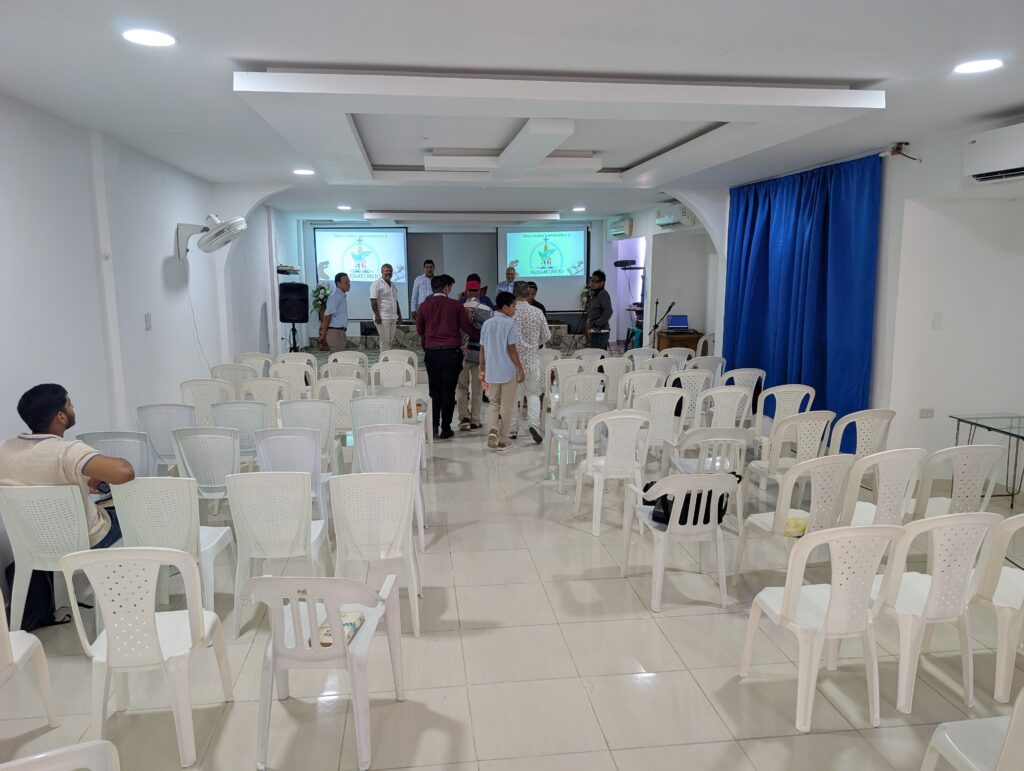
After running and eating my oatmeal on Sunday morning, I made my way to the Trans-Caribe bus station near my neighborhood. Navigation said it would take about 45 minutes to get to the church Aelen had put me in contact with in Cartagena. The bus turned out to be late, but I had just enough time to make it right at church was about to start. Worship began at 9:30, and went until nearly 12:00. I was greeted warmly, but no one there spoke any English. It is also true that people in Cartagena speak far more rapidly and less clearly than the folks I met in Bogota and Medellin. So it was a lot harder to converse with people and to follow what was happening in the service. I kept up as best I could.
Like the church I attended in Medellin, the Cartagena Iglesia de Cristo has a pay as you go coffee bar in the building. I didn’t drink any coffee, but I had a paleta after services. Some of the locals recommended for me a nearby restaurant run by fellow members of a different congregation. I walked over to it, and noticed that about half of the congregation had the same idea. The man who walked me over to the restaurant watched me eat, and I waved at the other families who I had met at church. In the end, I ate cojinua, which translated means Blue Runner. This is supposed to be a mediocre eating fish, and is sometimes even used for bait. It was served to me as a whole fish, like tilapia is served in many Latin American countries. Maybe it was the preparation, but I found this blue runner to be delicious.
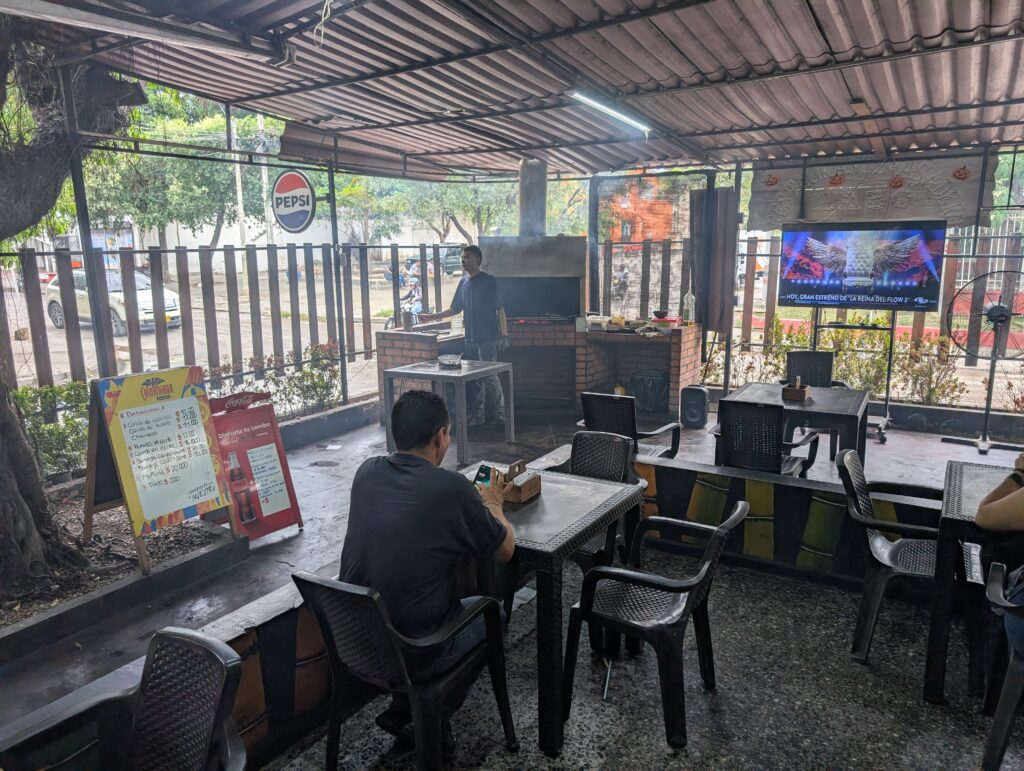
I walked back over to the bus stop after my tasty, inexpensive meal, and headed back down to Getsemani to my hostel. I spent some time in the afternoon working on my writing and housekeeping, then went back out to have supper on the town. I found a restaurant on the main street called Asada Caribe. It had good reviews and a low cost menu, so I decided to give it a try. My food here was good and cheap, too. Even though I had had a relatively restful day, I still ran out of gas very early, and was ready to call it a night not long after 9:00. I was in early, and soon asleep.
(Continued)
Monday was my third consecutive day running in the morning. I stayed under 10 minute pace. I ran a bit later. I went to bed early on Sunday, being pretty tired. I woke once at 3:00 to go to the bathroom. Somehow, I didn’t think I had gone back to sleep, but the next time I looked at the clock it was after 6:30! I got my run in, ate my oatmeal, then set down to catch up on a lot of writing I had gotten behind on. I didn’t end up leaving the hostel until about 2:30 in the afternoon.
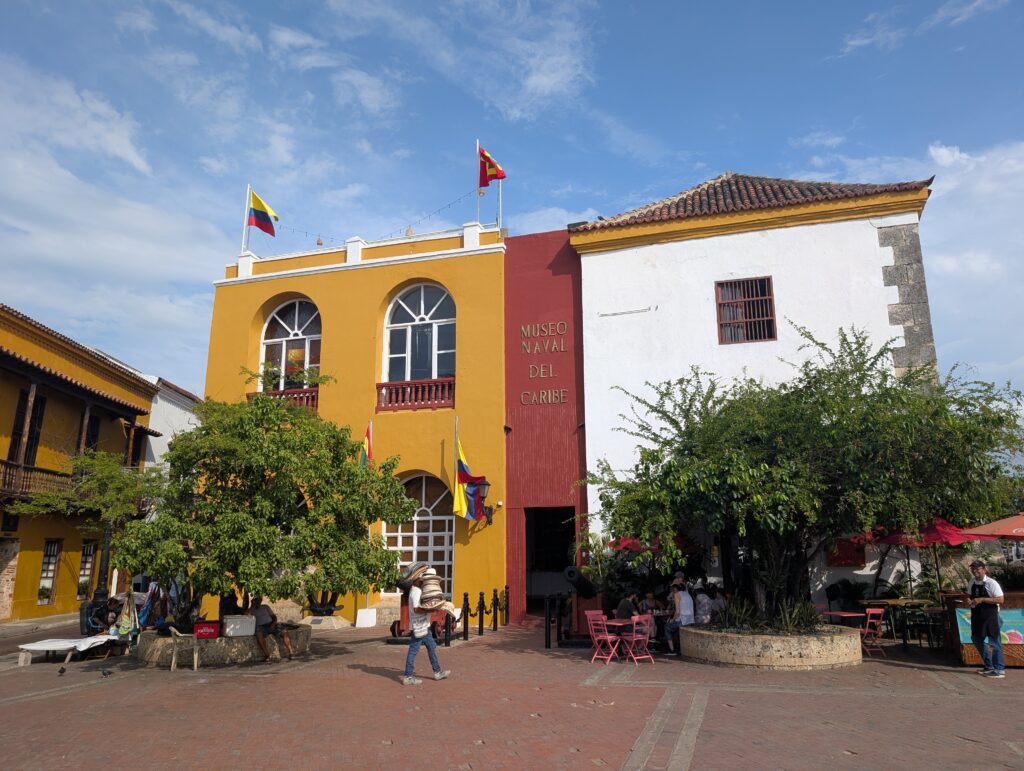
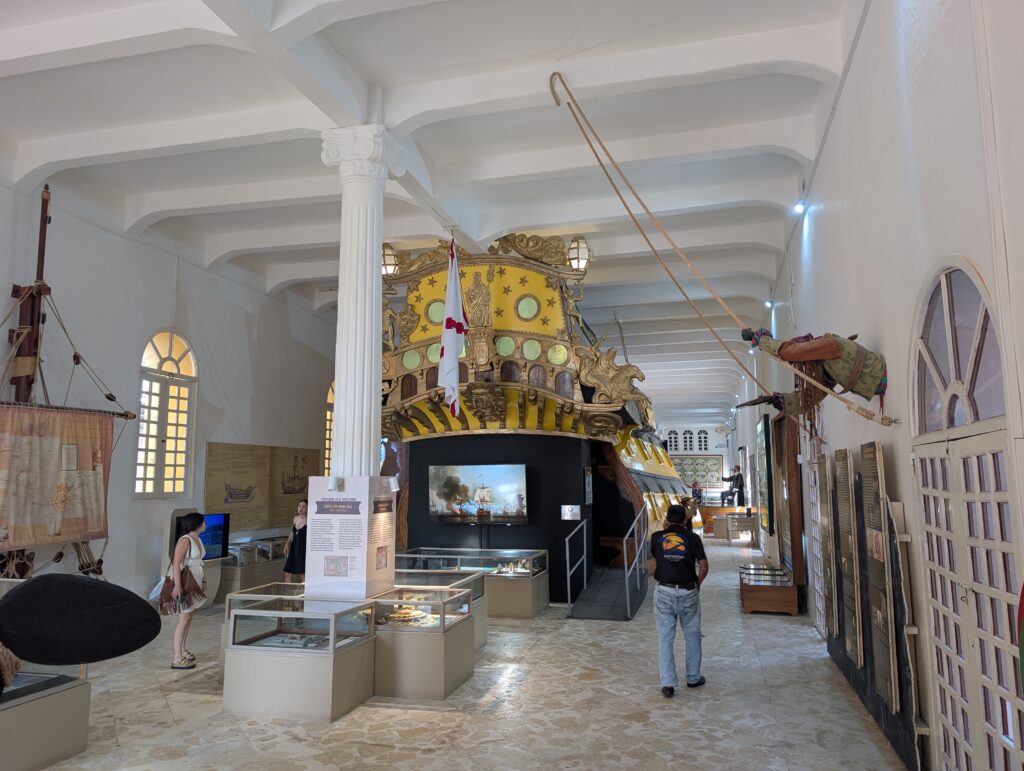
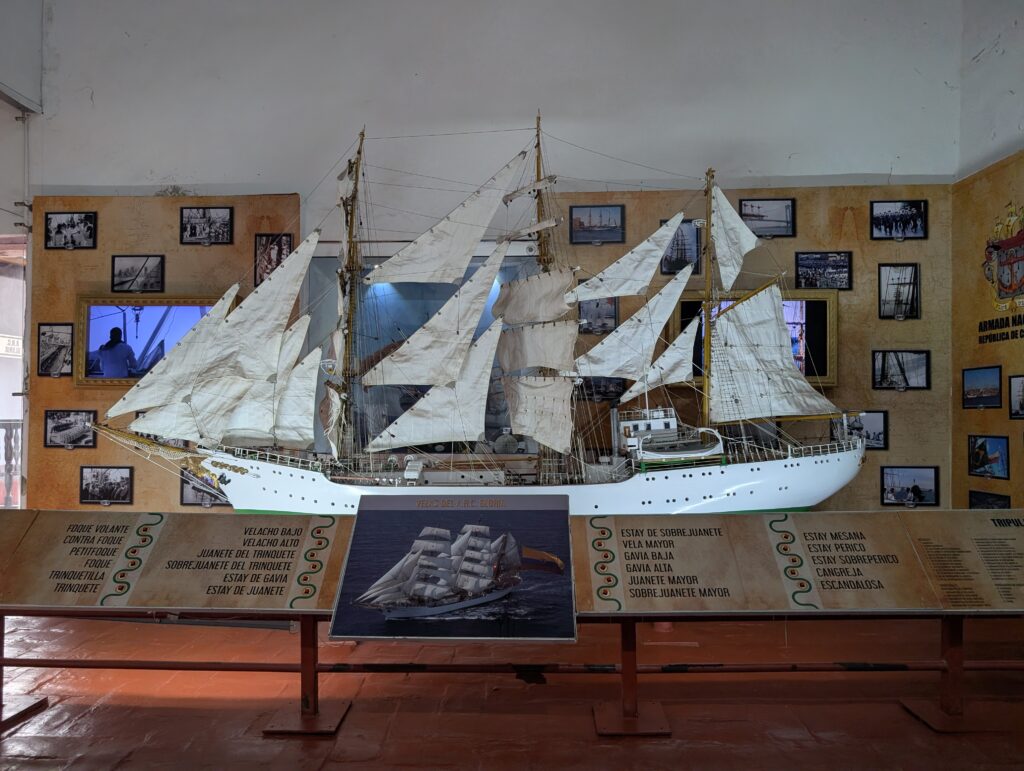
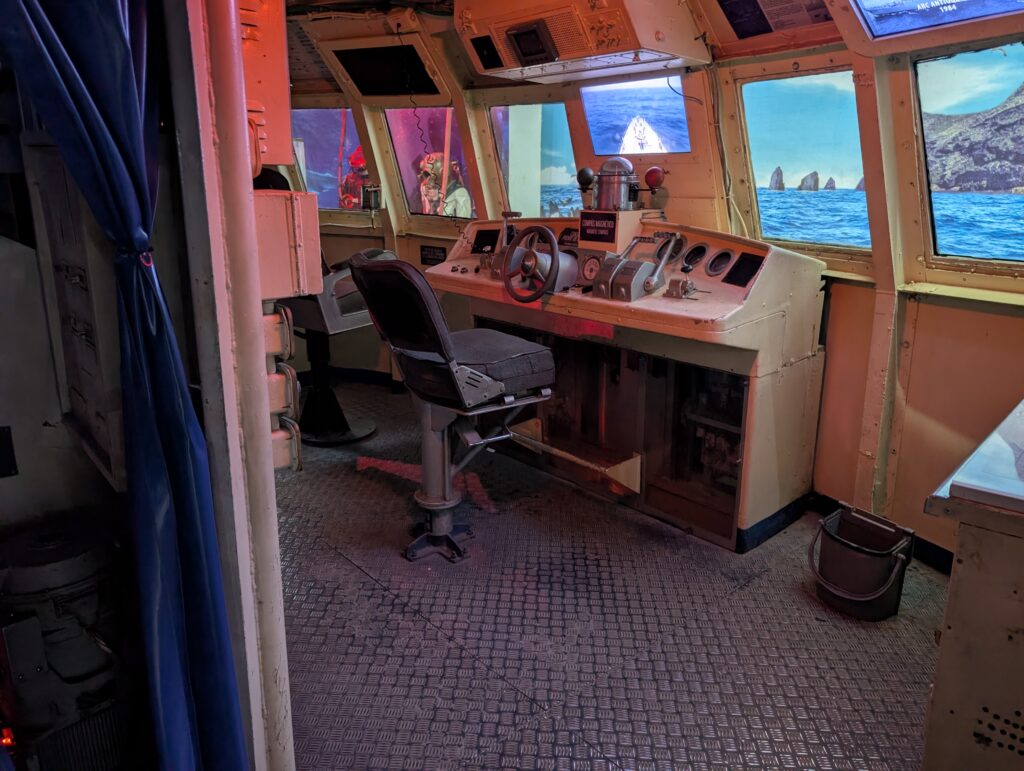
I did visit a very nice museum that afternoon. I went to the Museo Naval del Caribe. There were a lot of interesting mock-ups and displays. The museum offered a very nice overall explanation of the history of Colombia alongside a detailed account of the development of the Colombian navy. The historical accounts went back to the very arrival of the Spanish, and even gave some accounts of pre-Colombian indigenous seafaring activity.
This was all quite enjoyable, and took the remainder of the afternoon. I spent three hours in the museum and still didn’t read it all. This was in part because the placards were almost entirely in Spanish. I got a lot of practice reading Spanish, and was pretty mentally tired by the time I was done. For that matter, I hadn’t spoken English to anyone except some of the touts since Andrew left. None of the church members spoke more than a couple of words of English, and the hostel I had to move to was so low-end as to have only Colombian visitors, when they had any at all. It was clean enough, and the staff was friendly, but it was definitely run down and offered far fewer facilities than just about any other I’ve ever stayed at. It was really more like an older boutique hotel with one room converted to a dorm.
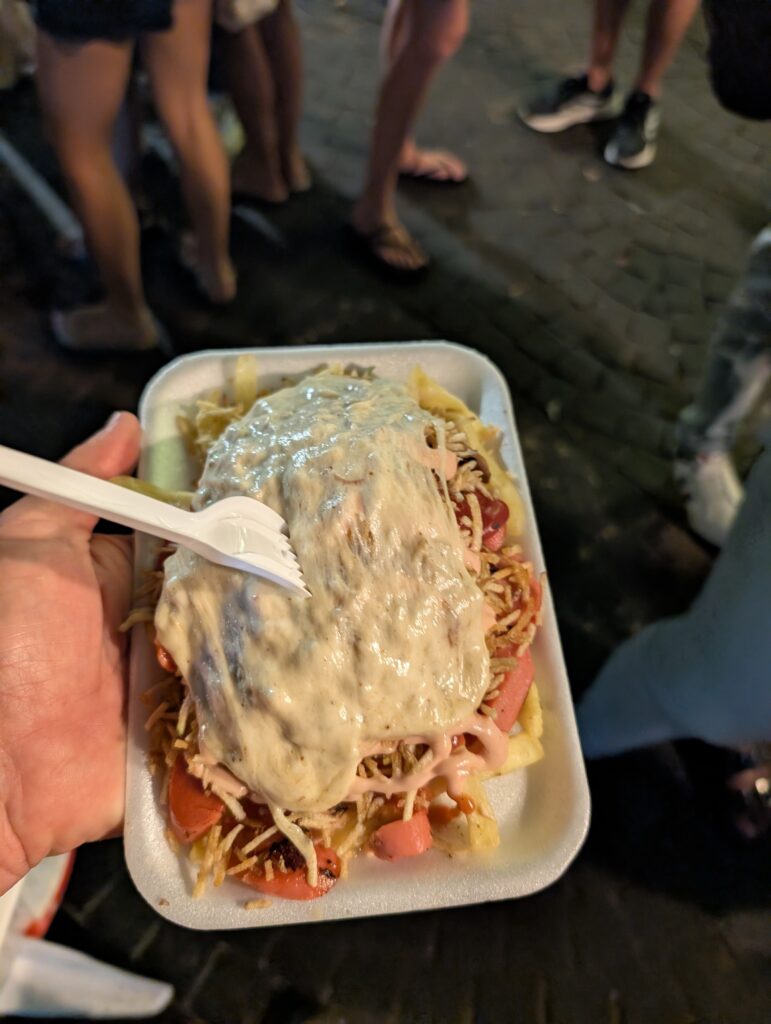
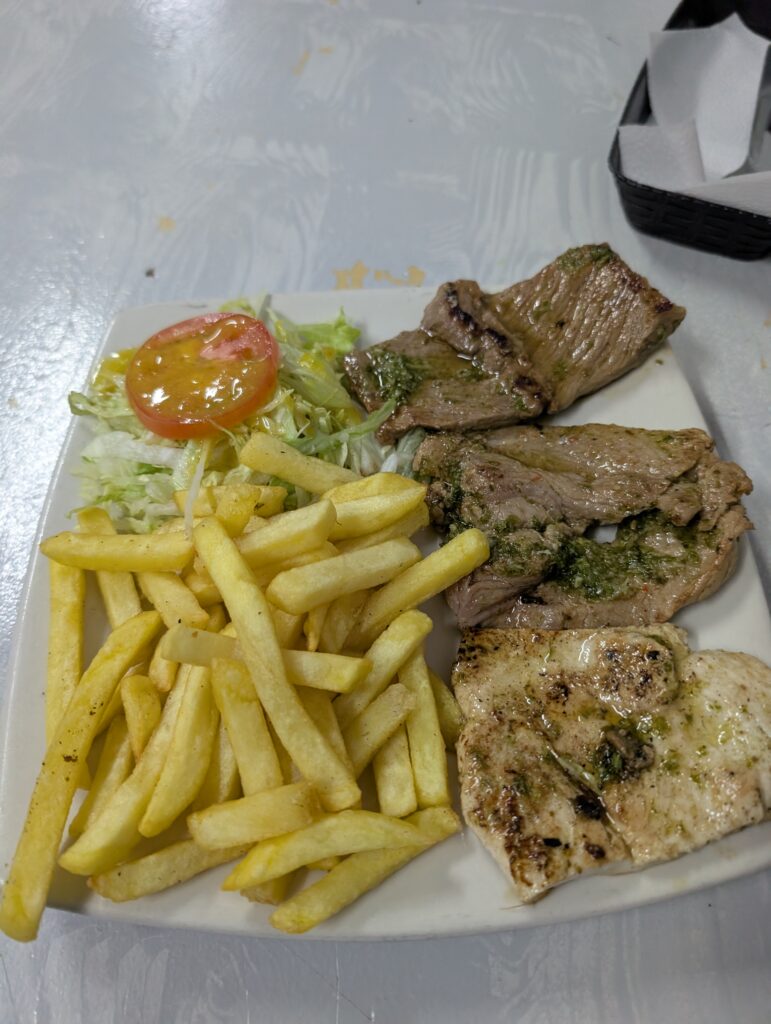
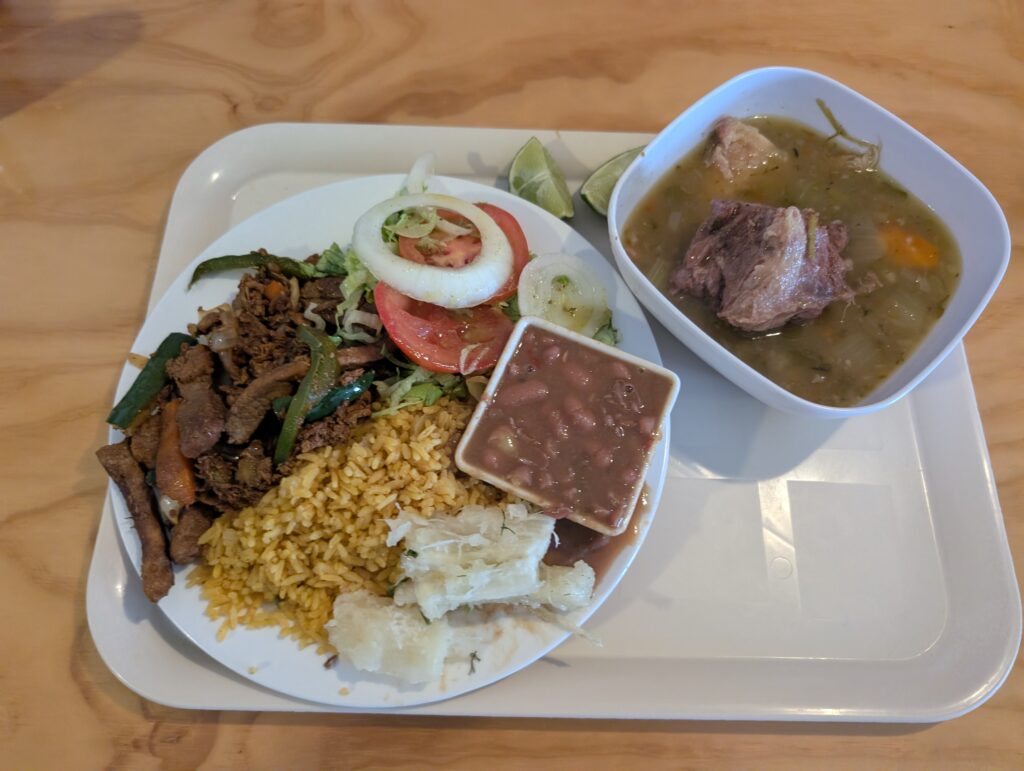
After I finished at the naval museum, I wandered around a bit. I found an inexpensive restaurant and tried some trifasico. This meal consisted of three different kinds of meats. On the suggestion of the waitress, I just got it with french fries. It came with a little salad, too. This was all fairly tasty, but not super large. I wandered the square and tried a couple of different varieties of stuffed arepas as well. I had another cheese filled one, and I tried one with eggs, which was much cheaper and had a substantially different taste and texture.
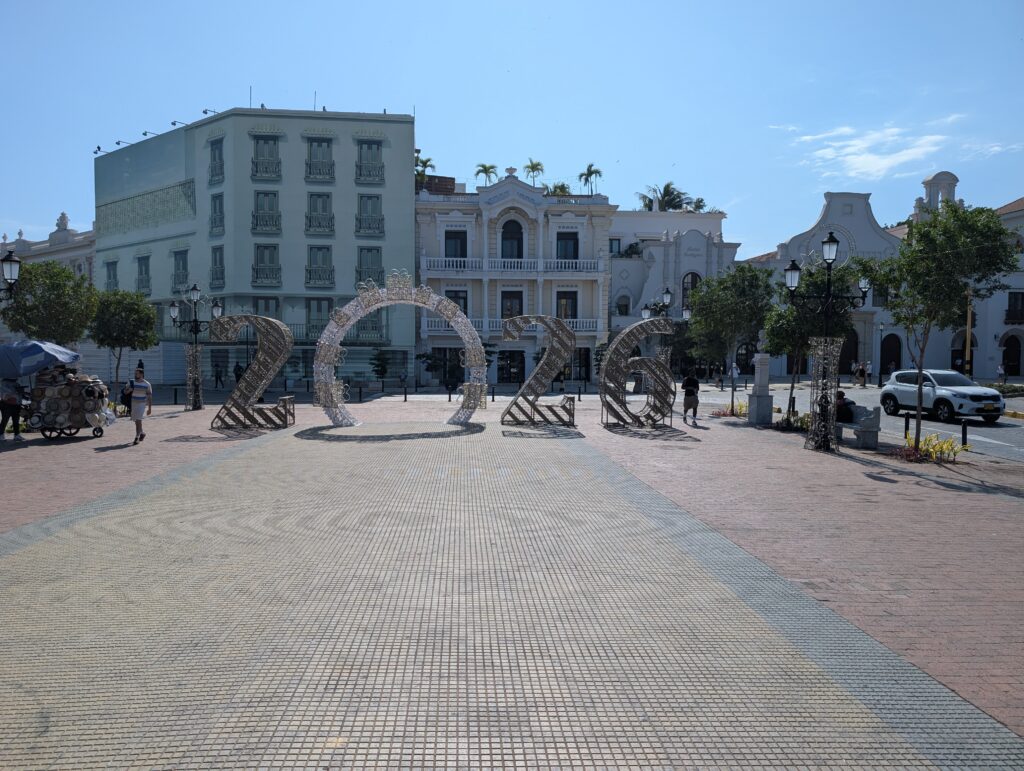
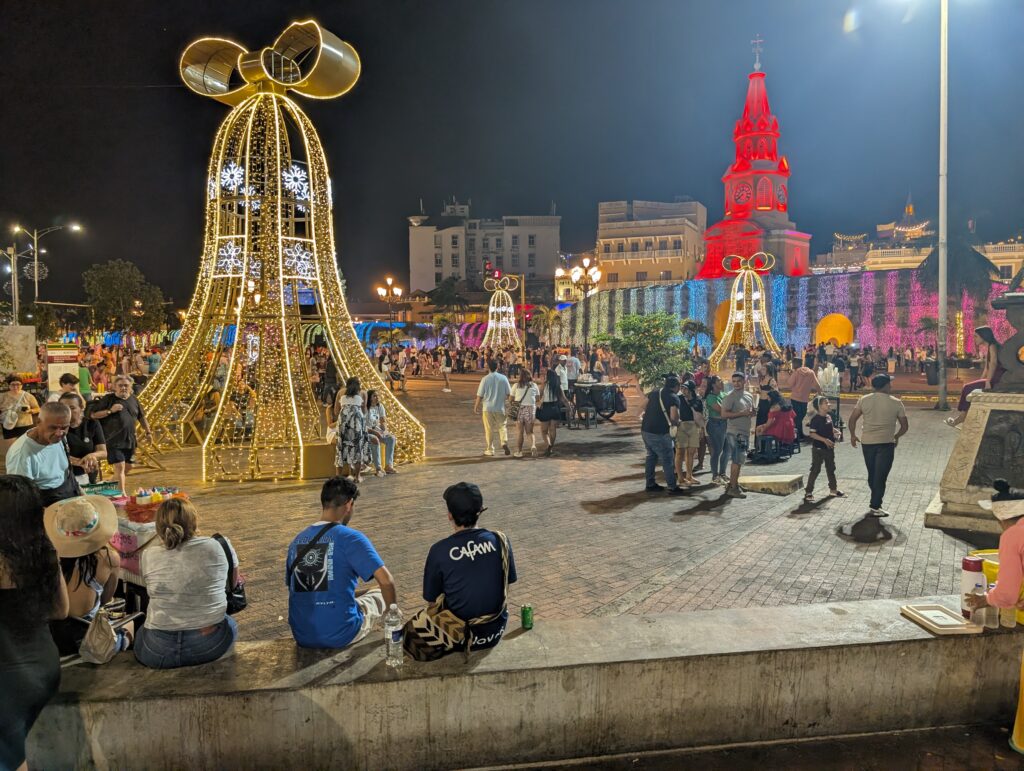
The centennial park is lined with book and souvenir vendors. I had to pass that way to get home, anyway. I decided I would see if there were any history books I could pick up to help improve my Spanish while I’m on the sailboat. I don’t think there will be any service for internet, so I had better have something else to do, at least for the long stretch over to the San Blas Islands. I never found a history book I thought would be that great. Instead I bought one of the most well known pieces of Colombian literature available, a novel called Cien Anos de Soledad, by Gabriel Garcia Marquez. I will report on this if and when I make progress on reading it.
I spent some time in the squares, but I was again surprisingly tired considering how much sleep I had gotten. I was ready to call it a night before 10:00, but stretched myself at least past that mark. I had the room to myself that night, and slept soundly, if not quite so long as the previous night.
I got up and ran today, but I ran with no agenda. I did not try to maintain a pace. I didn’t even check my pace. A few times I checked on the mileage, so I knew when to turn around and when to stop. I didn’t push myself, I just decided to get the mileage, sweat, and calorie burning in. I sat in the square in the middle of Getsemani for a half an hour or so cooling off, just watching people. There were surprisingly few vendors there at that hour of the morning, just one guy selling empanadas.
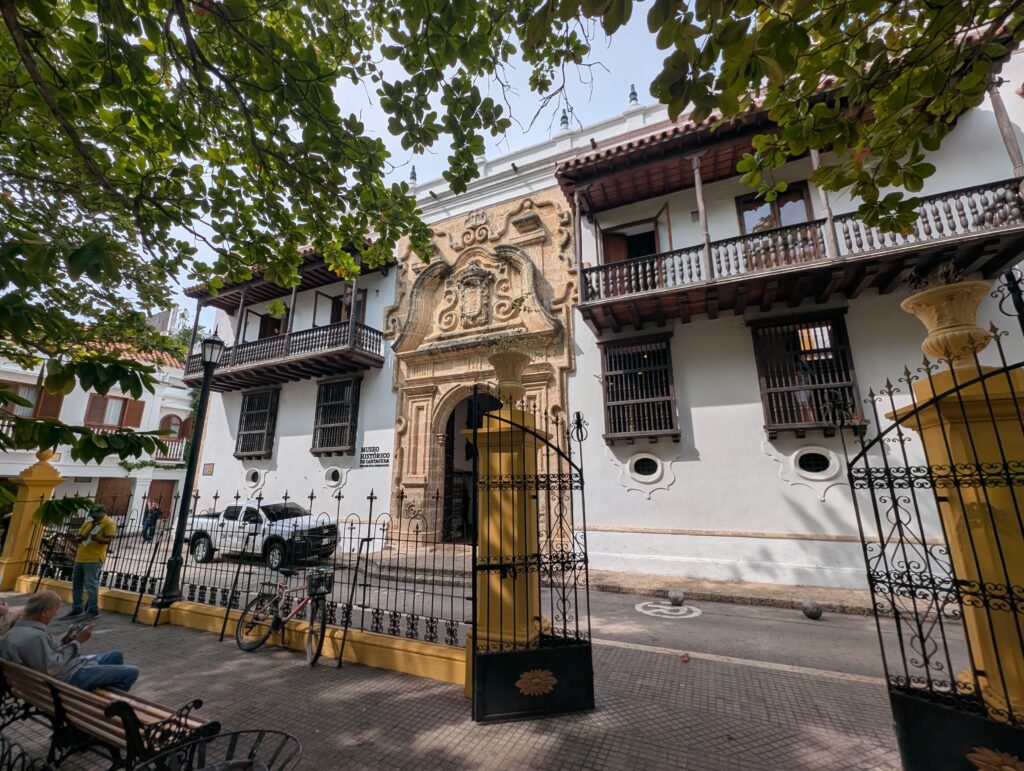
After I ate my oatmeal and took care of a few housekeeping items, I walked to the Palace of the Inquisition. I planned to arrive there around the opening time, since the building isn’t air conditioned. It is a relatively small museum. The upper half is dedicated to the general history of Cartagena, much of which overlapped with information presented in the Naval Museum I visited on Monday. The unique segment on the lower floor was dedicated to the history and methods of the Inquisition.
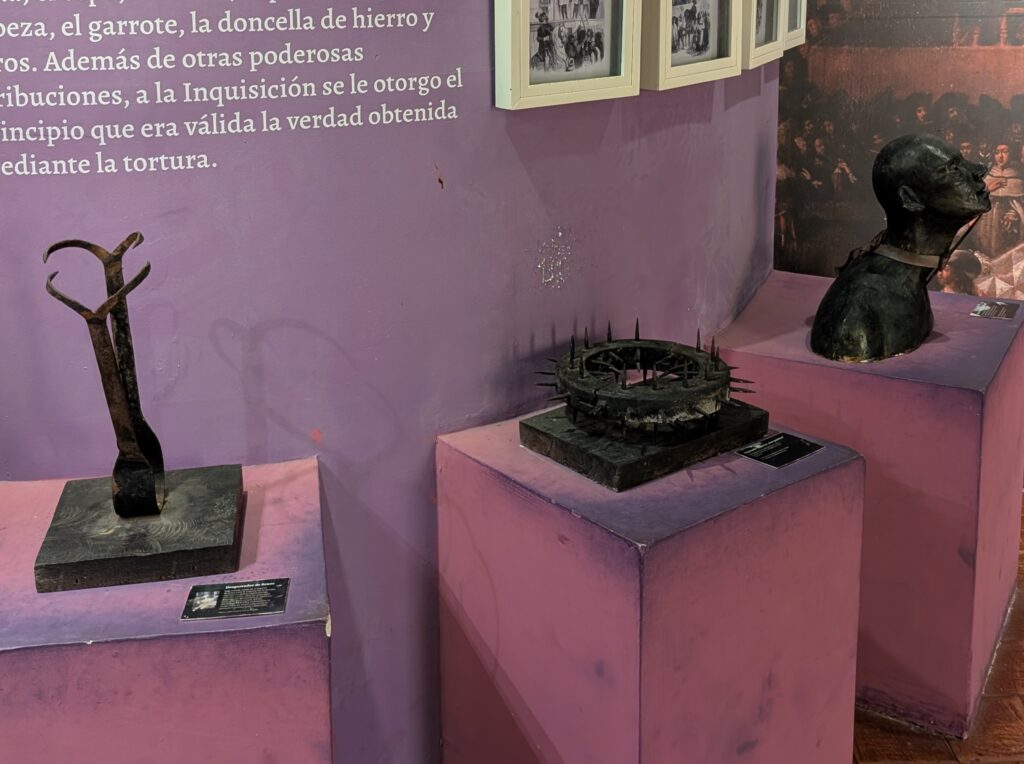
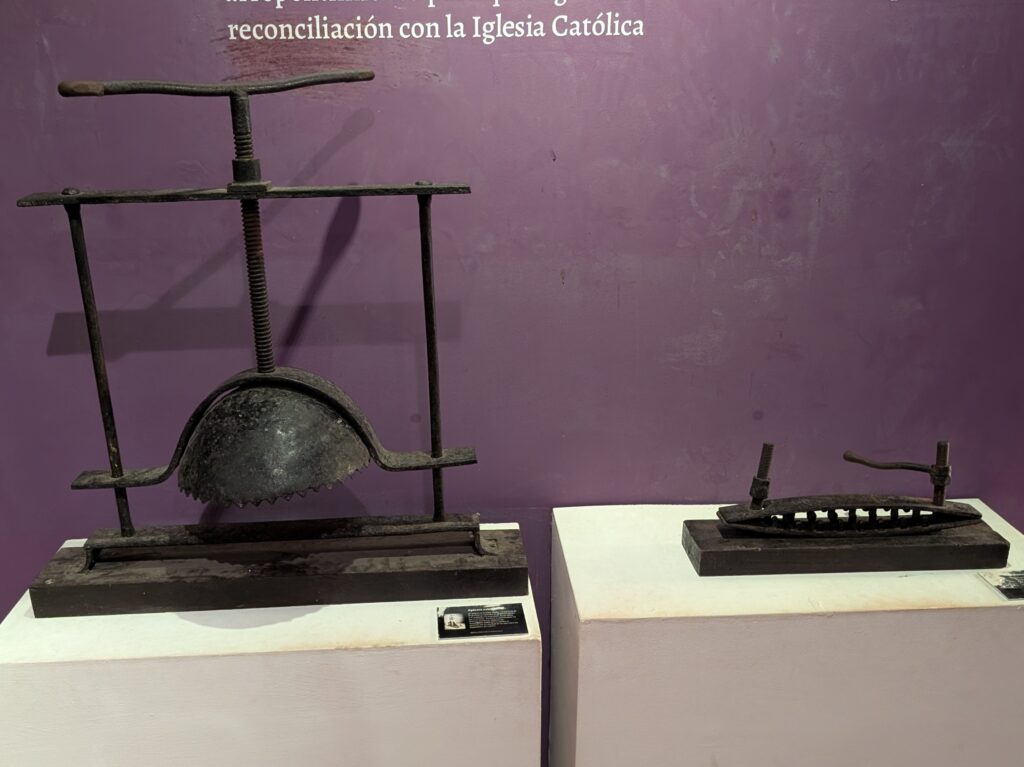
Cartagena was home to the third inquisition court established in the New World, after ones in Mexico and Lima. Several thousand people were tried there for various heresies against Catholicism. Relatively few were sentenced to death, but the sentence was usually carried out by the victim being publicly burned at the steak. Many others were tortured, or forced otherwise to do some kind of “act of faith” which involved some sort of publicly administered corporal punishment. This was designed to be a public deterrent, as much as a purifying process or form of penance, though the church claimed the latter to be the primary goal.
The displays were mostly in Spanish, though there were a few English placards. The displays gave statistics and shared stories in a way generally sympathetic to the accused and critical of the inquisitors and the church. There was a short film relaying the story of one specific woman tried by the inquisitors with the same slant. There were examples of several of the different varieties of torture devices utilized to extract confessions, but they were all replicas. Apparently, most of the torture device displays were removed for a visit by Pope Francis some two decades or so previous.
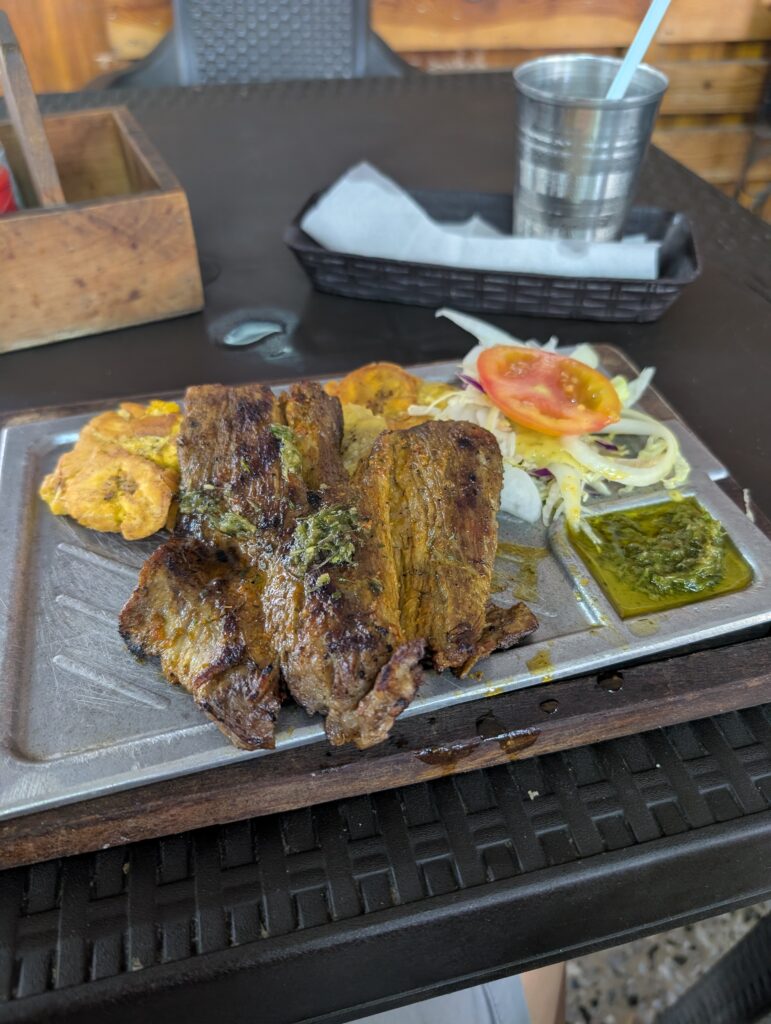
By noon, I was done and a little bit hungry. I decided I would attempt to mail Andrew’s postcards and my postcard. One shop in the old town neighborhood had a 4-72 box (4-72 is Colombia’s postal service). The shop wanted to up charge me for the stamps, though. I wanted to get out of the tourist area to eat lunch anyway, so I hopped a bus toward the main city post office a few miles away. It was closed until 2 p.m. for siesta or lunch or something, so I went to the nearby Restaurante dos Techos for lunch. I was finally able to try sobrebarriga. Turns out, this is pretty much just churrasco from a slightly different meat cut. Mine came even came with the same sauce. It was served with platacon and a small salad as well. Like many Latin American steaks, this was think and a bit tough, but not too much, and the flavor was very good.
By the time I finished, the post office was back open. I sauntered over and paid $12,000 pesos each to mail all seven of the cards. This took a lot of stamps and some time to affix them all, but they were sent. I wanted to grab a drink before hopping the bus back to the center of town. I ended up walking quite a bit out of the way looking for one, and then waited well over half an hour for the bust that was scheduled to pass every eight minutes. I did finally make it back to the tourist zone. I stopped at a larger supermarket to make a few purchases, then retired to my room for some more writing and housekeeping items.
I did hear from Sara again. I tried to encourage her to take me to eat some street food in her neighborhood, but she just wanted to meet me downtown again. I think it was so she could do this around working. In the end, I told her that was fine. I went down to the meeting place, but once I was there, she backed out. Perhaps because of work, perhaps for some other reason. I sent her a note the next morning emphasizing all the positives – telling her I was glad to have met her, and expanding further on what options I had to help her immigration status. She said when she was ready, she would avail herself of these options. I am starting to have a feeling, though, that even these girls who end up in prostitution due to dire personal economic circumstances ultimately become addicted to the (to them) significant revenue that comes from the trade, and are thus reluctant to ultimately walk away from it.
My last full day in Cartagena complete, I ate alone in a restaurant on the street and headed back for another early evening. I certainly was in the minority, going to bed in Cartagena at around 10:00 each night. I was always surprised, though, how many people were up exercising early. I ran the morning of the 14th for the fifth day in a row. I met a large group of runners from a hostel or something. They were all European, from what I could tell. They were going a good bit faster than my usual pace, but I found I could keep up, and I joined them for about a mile. Eventually, they stopped to take photos or something and I carried on, doing my own thing as I have become accustomed to doing. I headed back to my hostel to prepare for the next leg of my journey.