Lazio

Ostia Antica, Hadrian's Palace, and Villa d'Este

I woke up way too early on the 7th. After a couple of hours trying to go back to sleep, I gave up and went for a run in the faint light of the very early morning. I circled a local park a few times, then walked back to the room to eat breakfast, then join Stephanie for a ride out to Ostia Antica. Ostia Antica is the ruin of a Roman city that served as the imperial port for Rome, as Rome itself was not right on the sea. Ostia means “mouth.” The city sits right at the ancient mouth of the Tiber River.

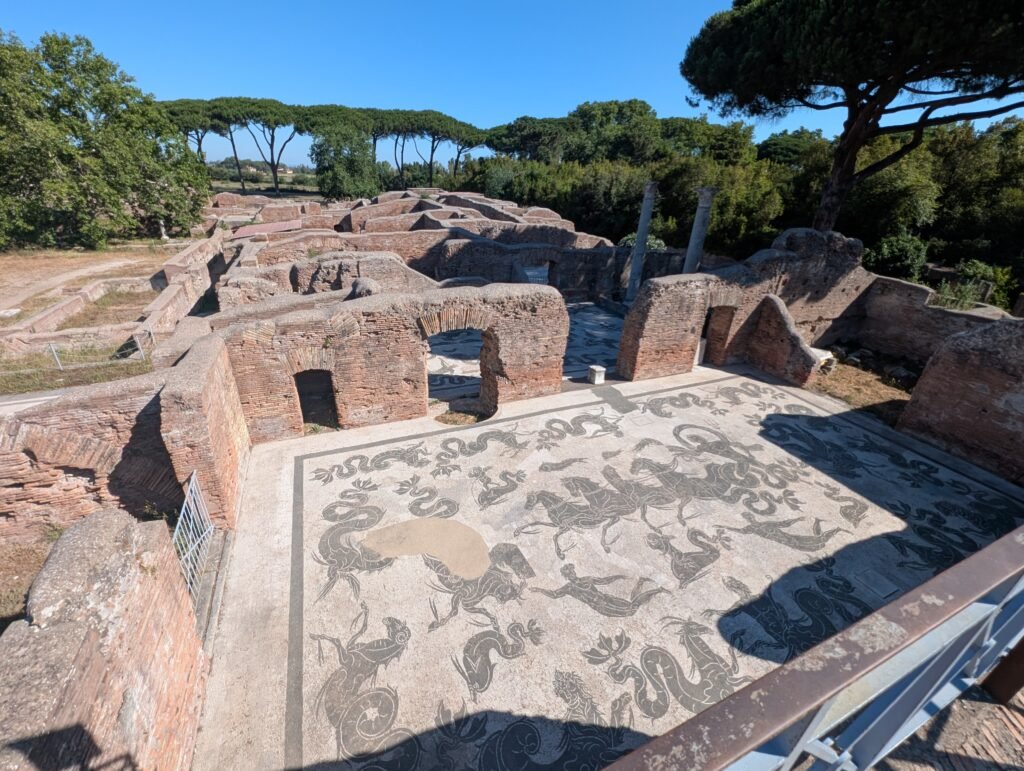
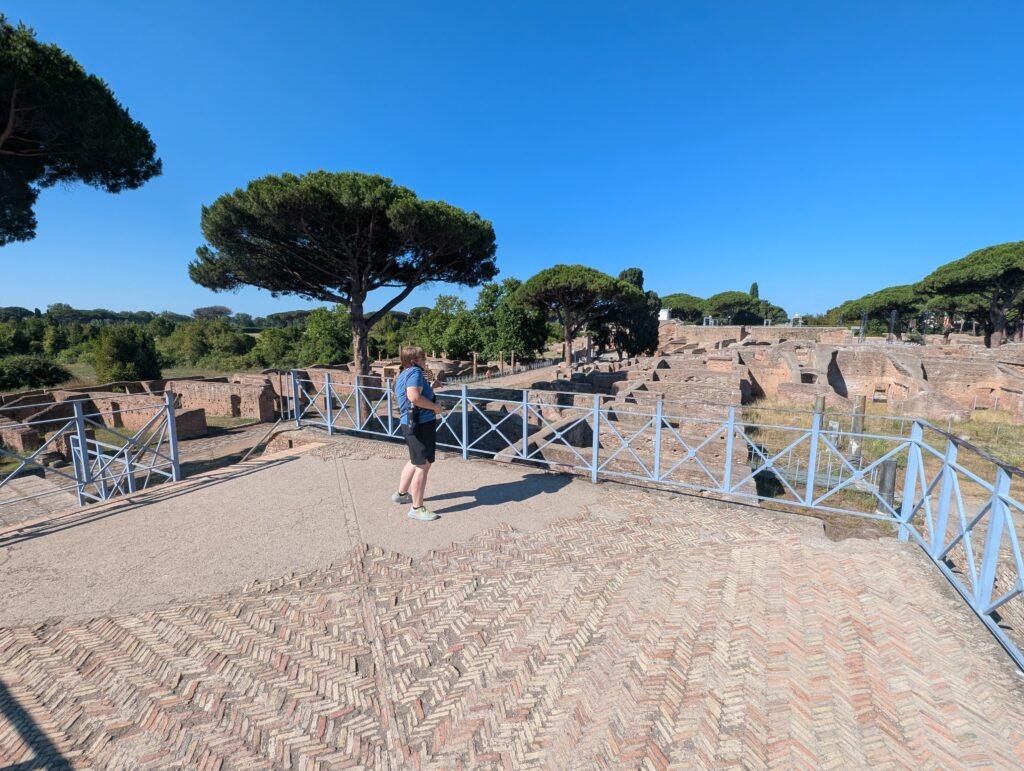
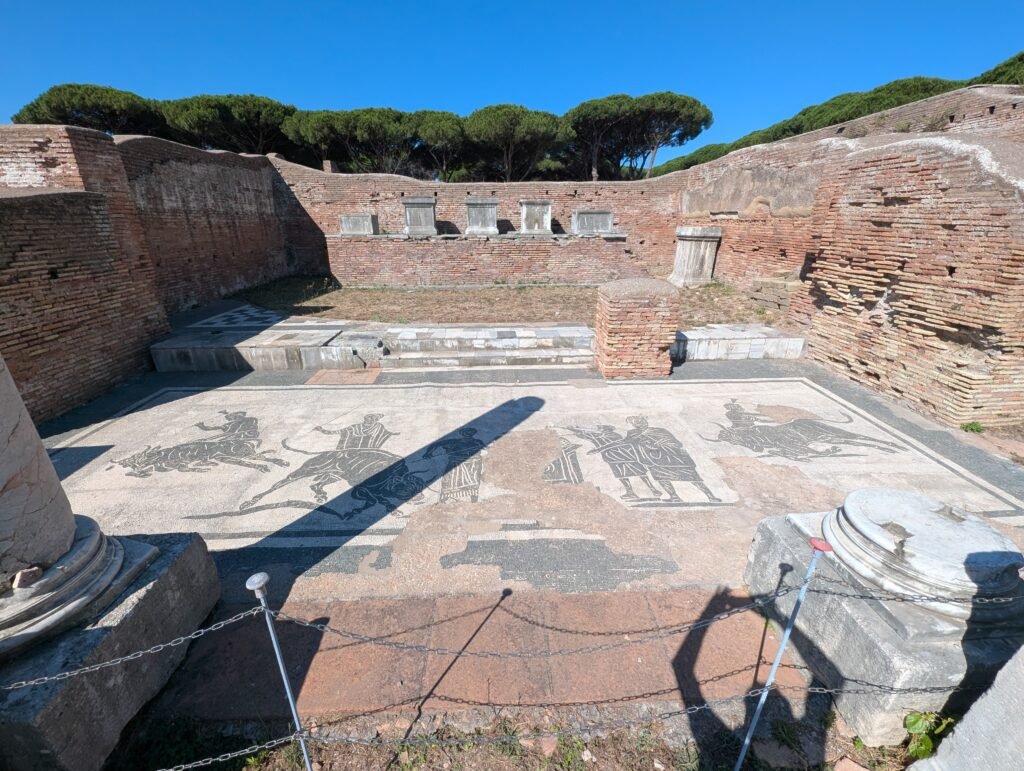
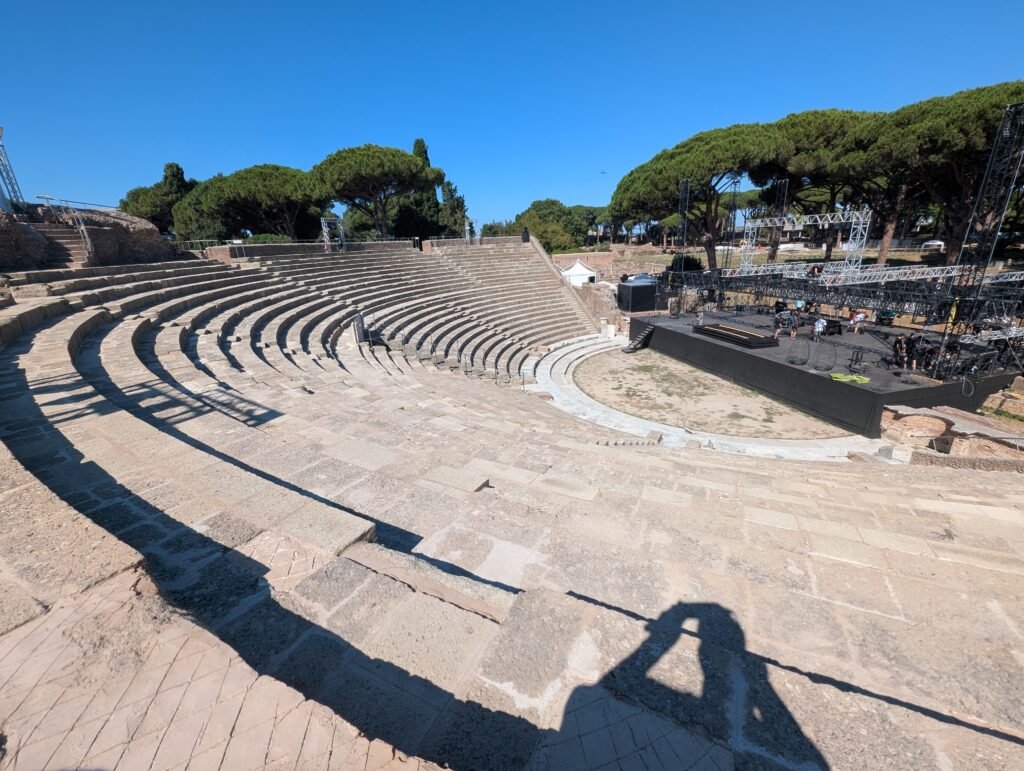
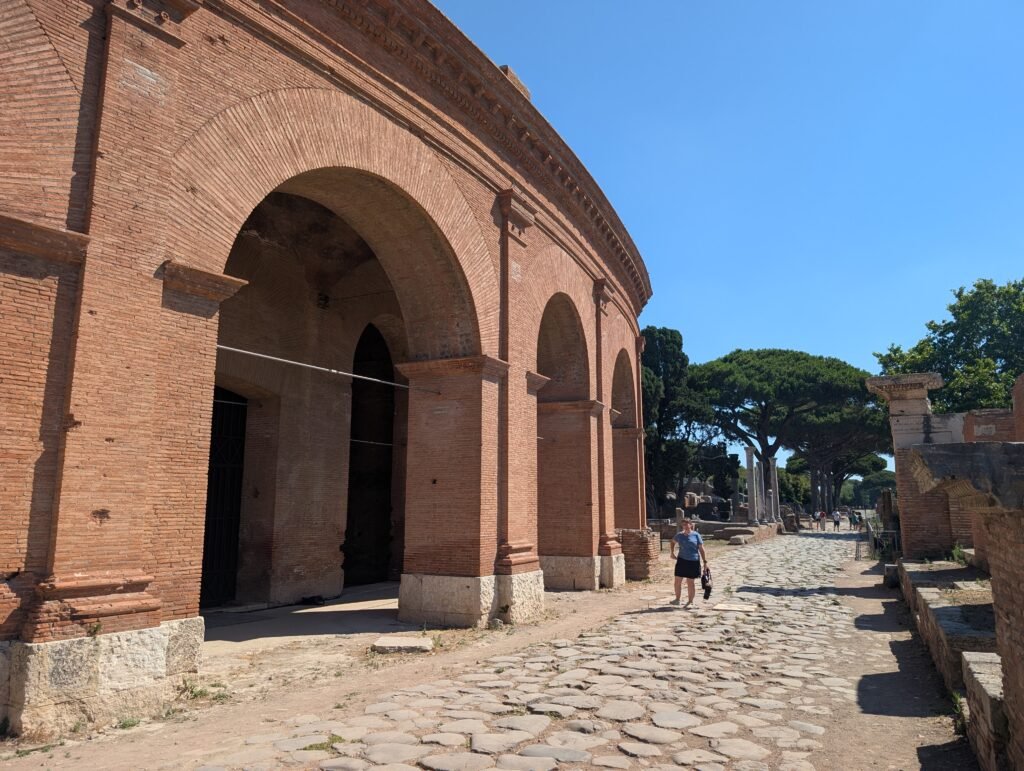
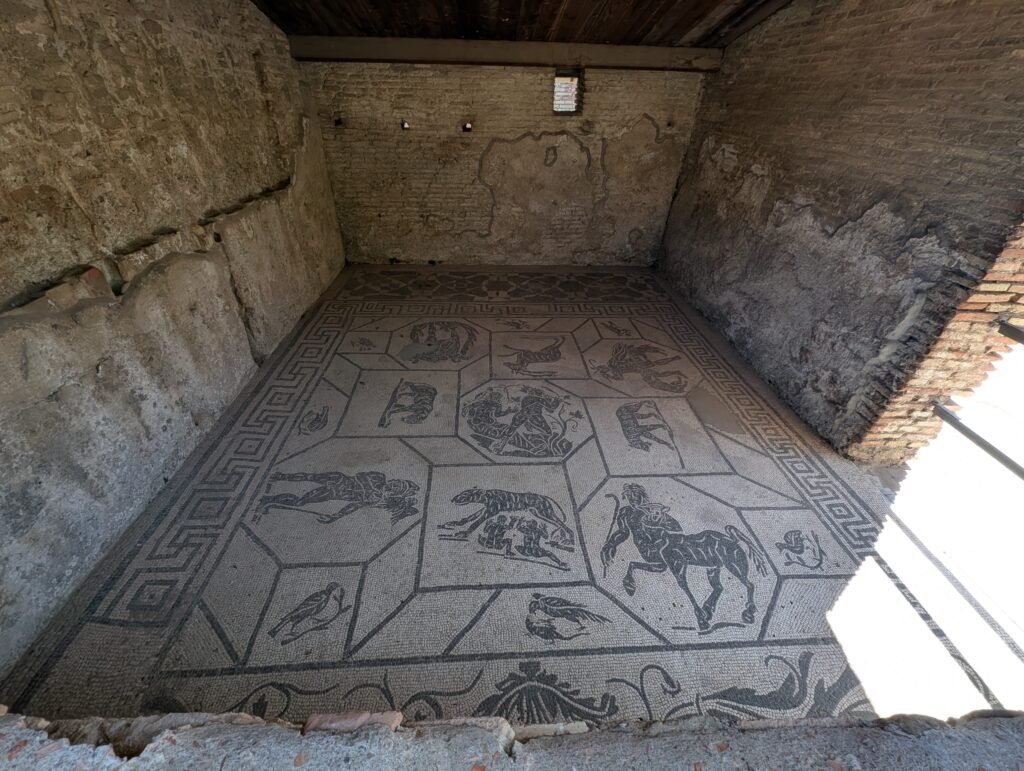
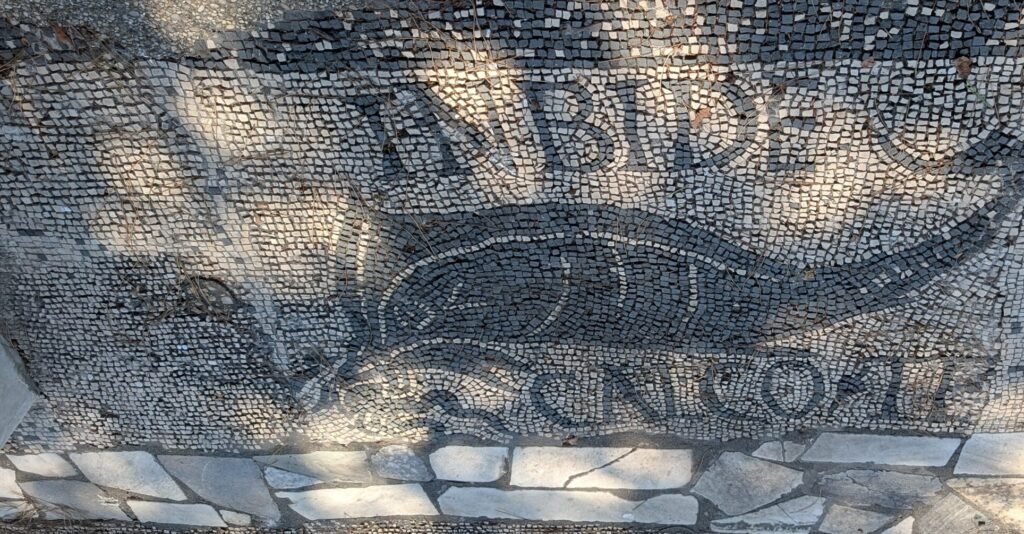
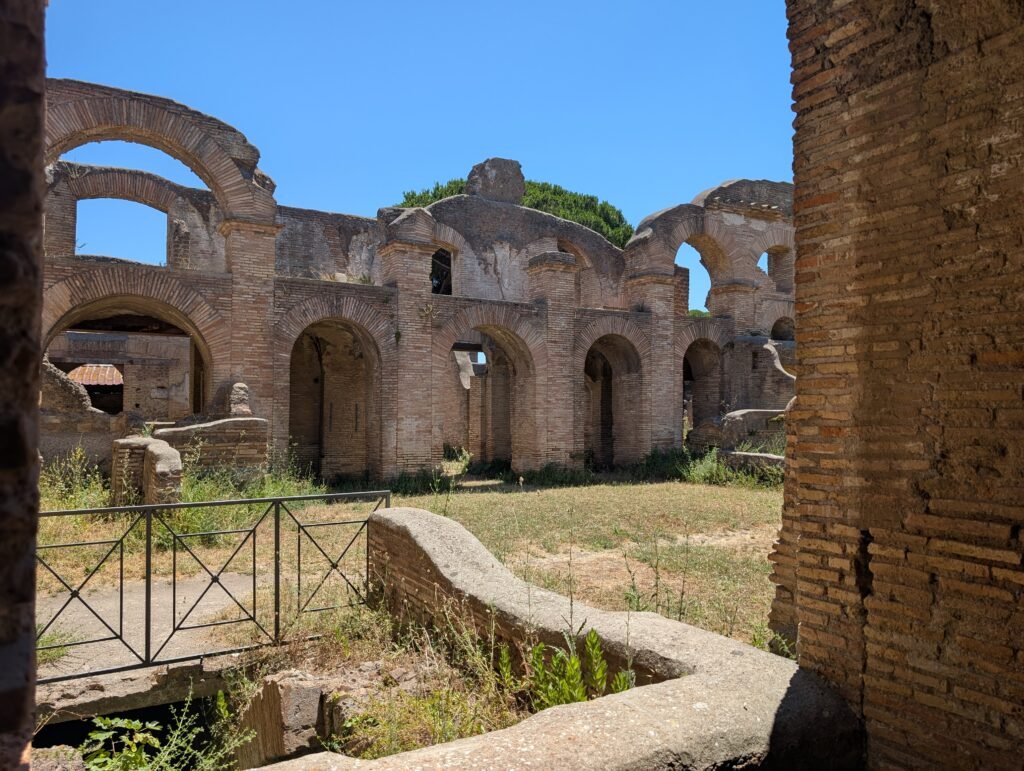
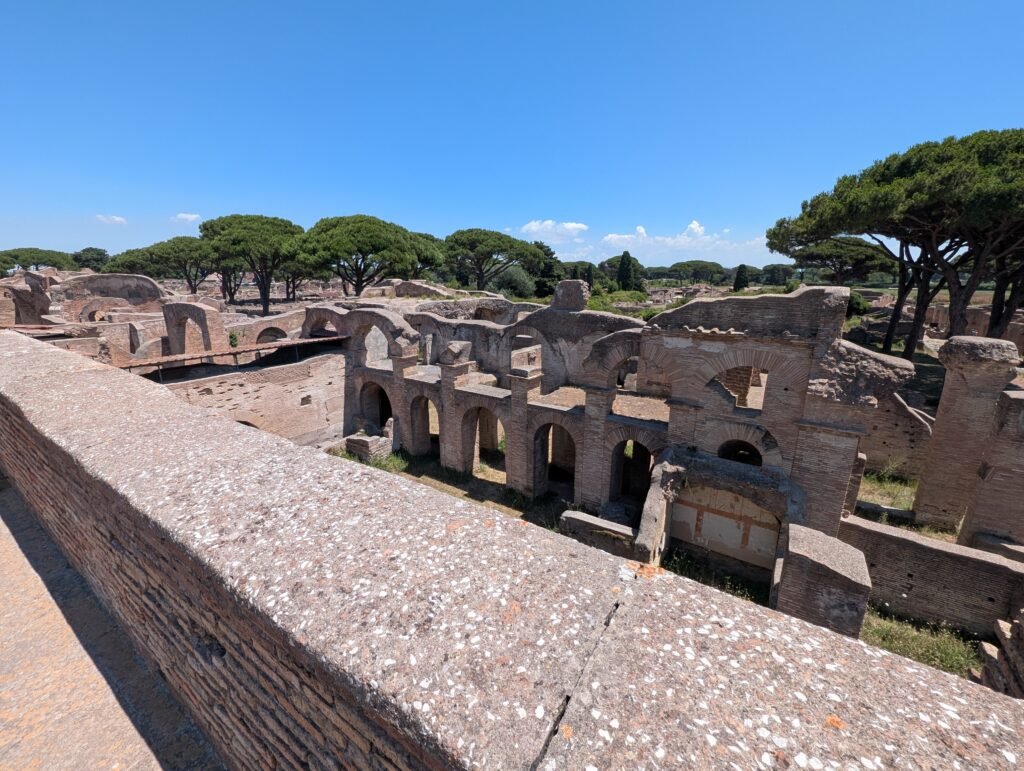
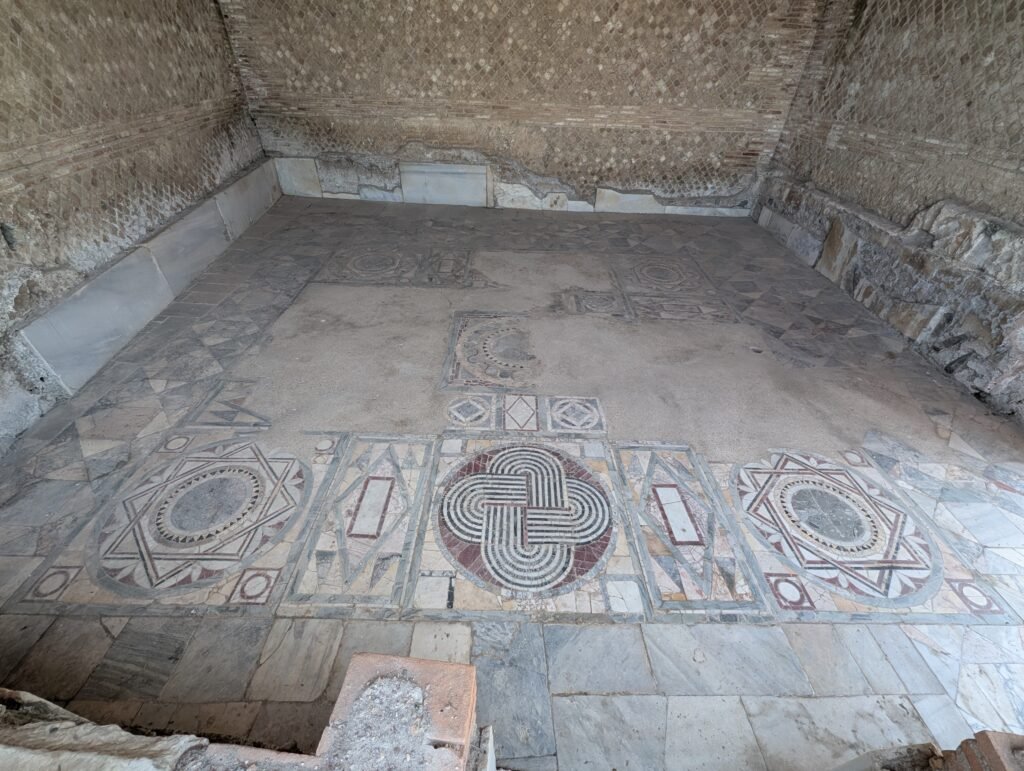
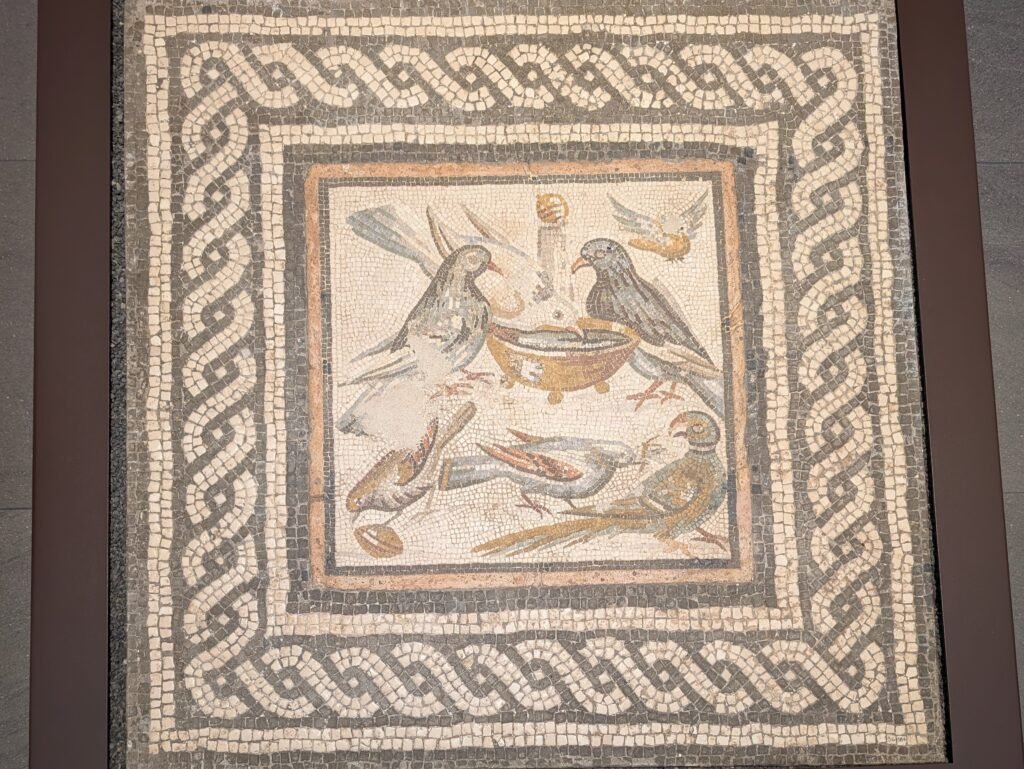
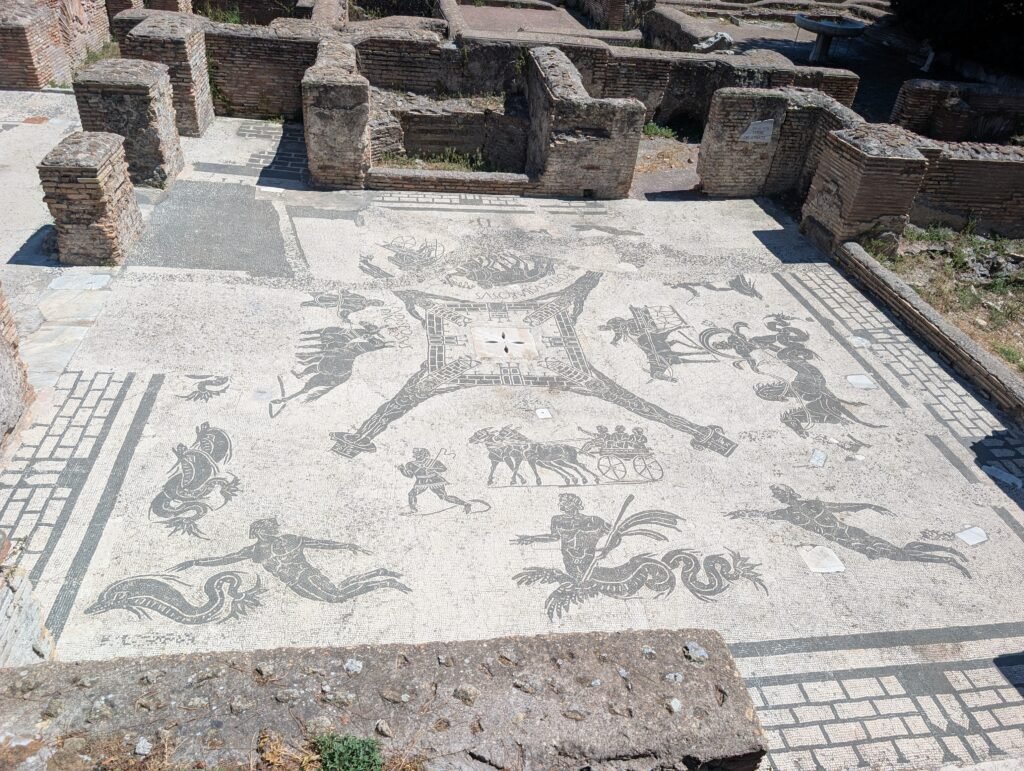
We reached Ostia Antica in under an hour via the metro system, which was quite convenient. We walked the city with the help of an audio guide for the better part of the day. It was quite warm, but enjoyable as very few tourists make it out this far if they are in Rome just for the highlights. Ostia Antica contains several baths, a theater, some nice houses with mosaics, several insulae (appartment buildings), and interestingly a large commercial square with booths representing all of the major trade guilds. The maritime guilds are represented best at Ostia. There are a number of interesting floor mosaics in this section featuring art from their respective trades.

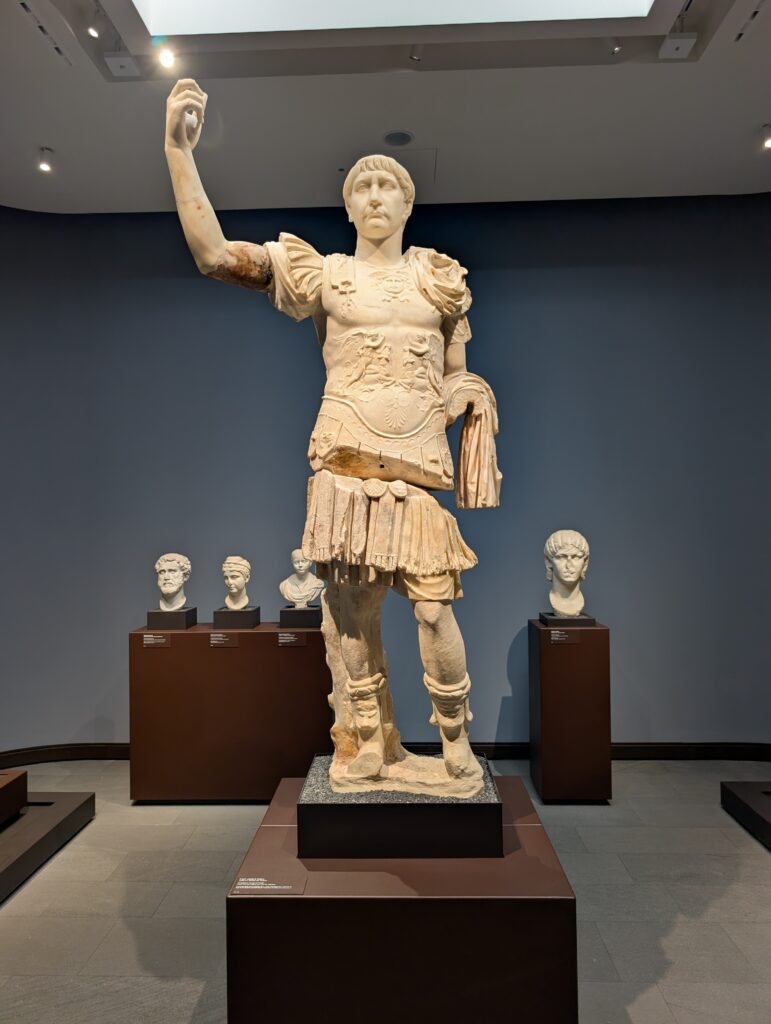
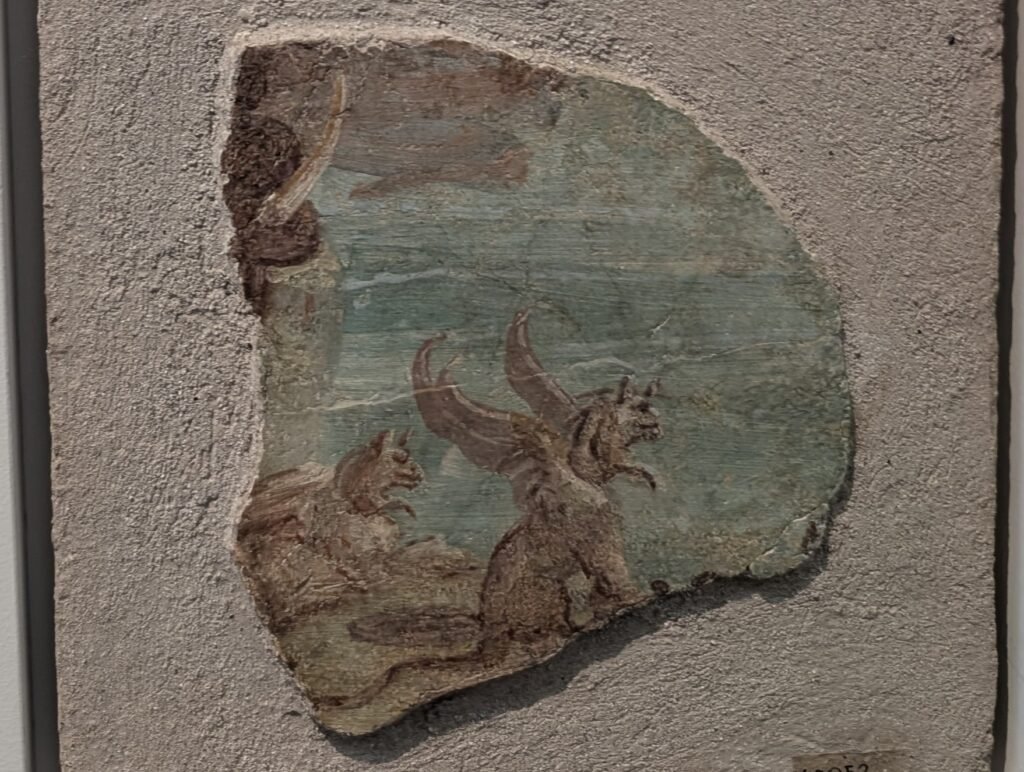
Ostia Antica has a small museum on site containing many of the artifacts collected during excavations. There are numerous sarcophogae, and quite a few portrait statues. There are also several lamps, stellae, and other fragments. The buildings themselves, though, were largely made of brick. They had at one time been marble clad, but nearly all of the marble and stone had been scavenged for other projects over the years. The guild booths and apartment buildings were some of the more interesting and unique elements of Ostia Antica compared to other Roman cities I had previously visited.

The site was quite spread out, and the trip involved a lot of walking. I had run in the morning. By the time the day ended, I had over 30,000 steps. The visit to Ostia Antica absorbed most of the day. We finished with that site at about three in the afternoon. Our ticket authorized us to visit a few other sites and museums in the area, but the only one we thought we might make it to before they began to close was the Castello di Giullio II, which we had passed walking to Ostia Antica in the morning. We went to a small restaurant and shared a pizza de diablo before continuing to the castello.

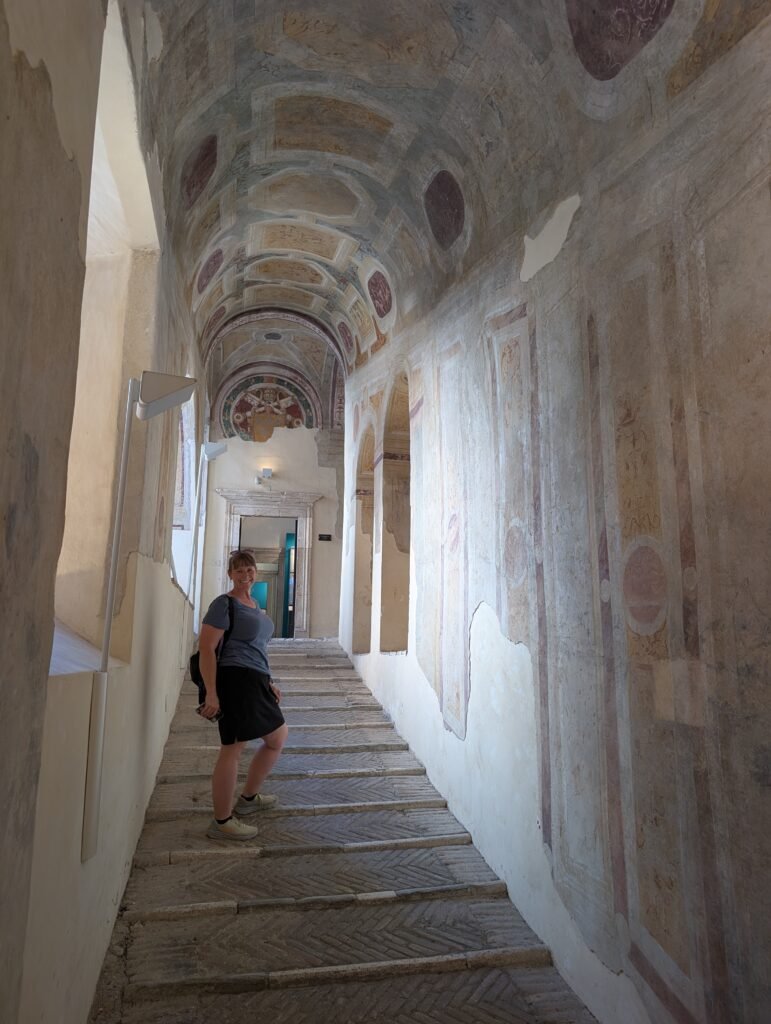
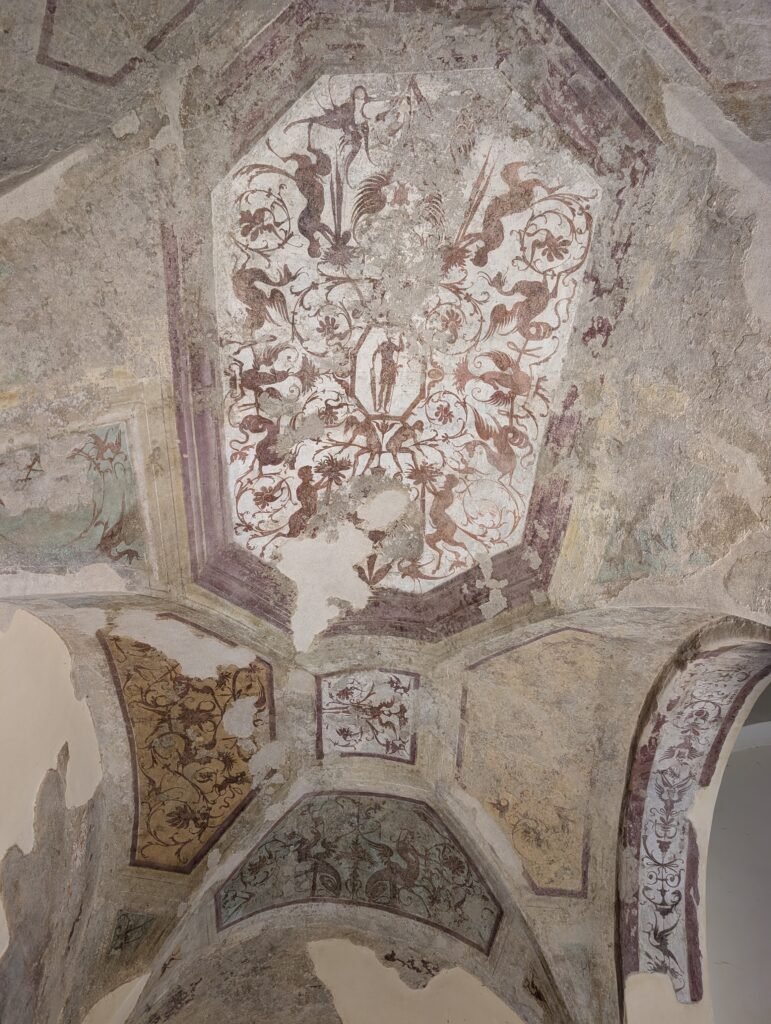
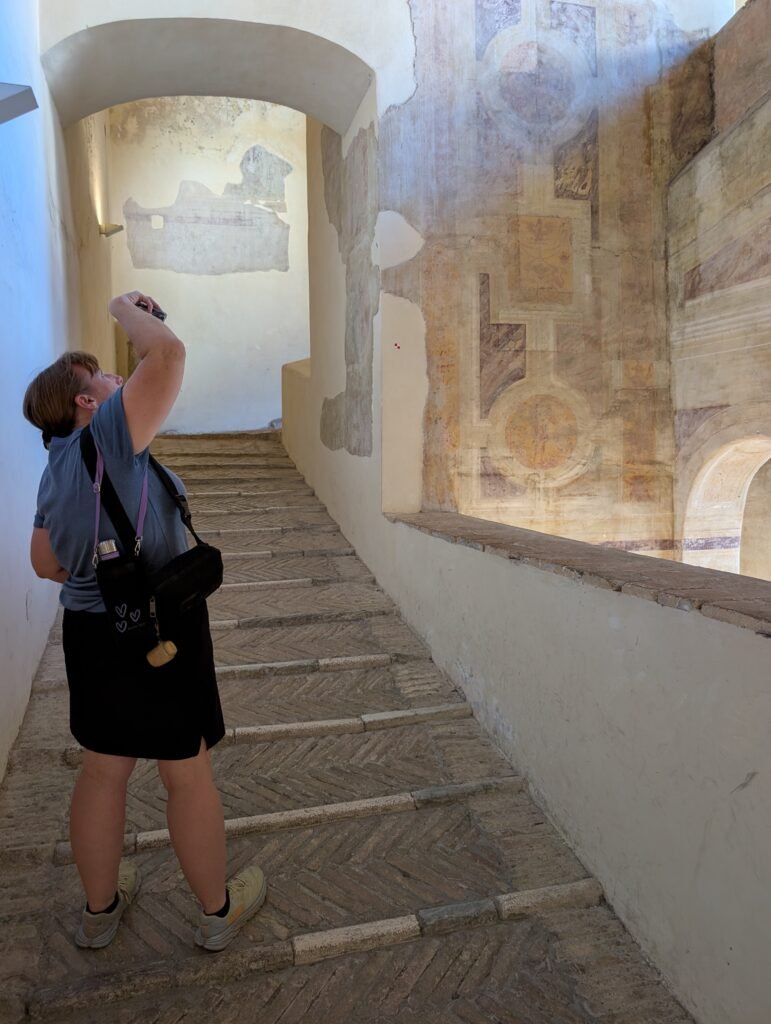
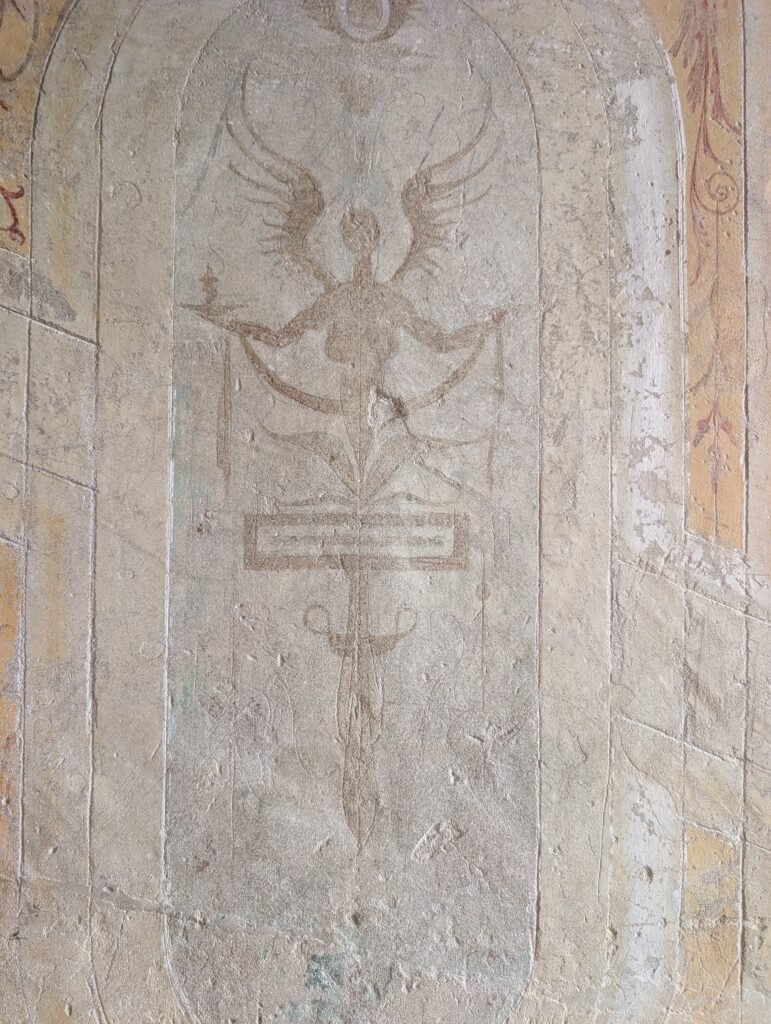
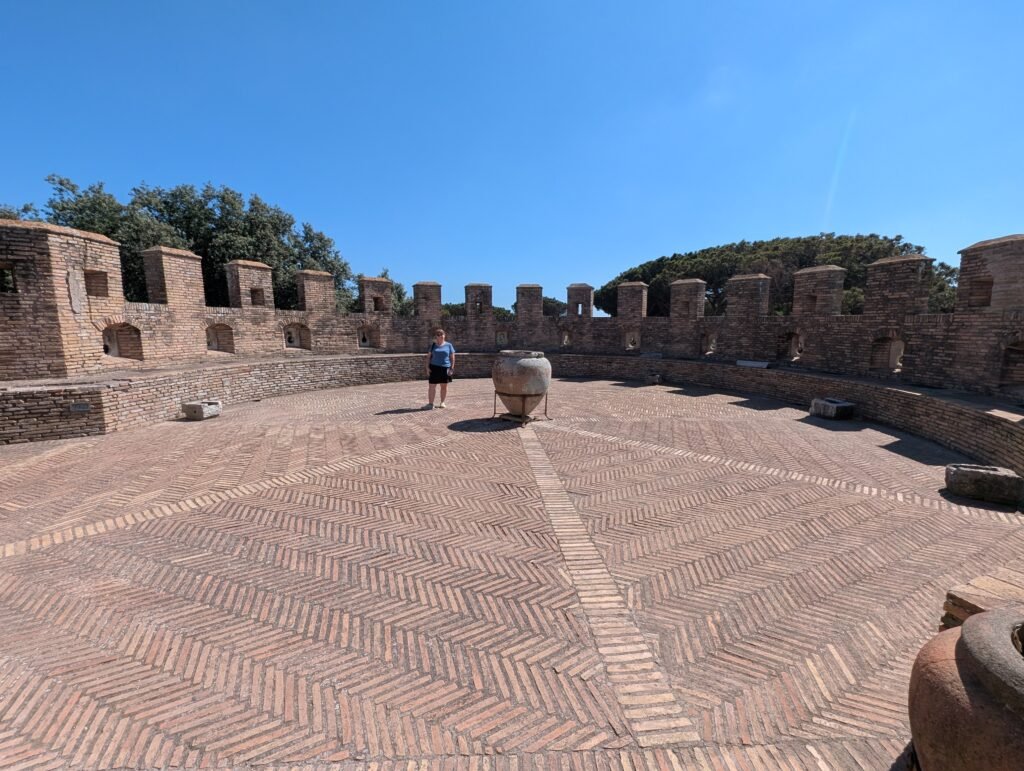
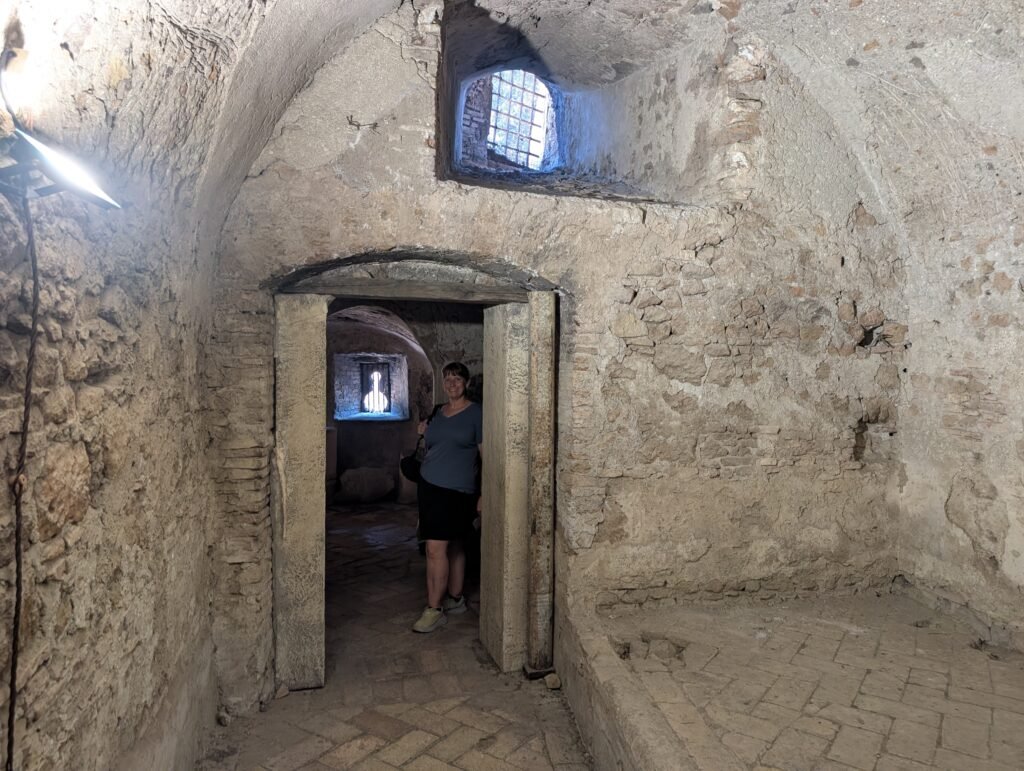
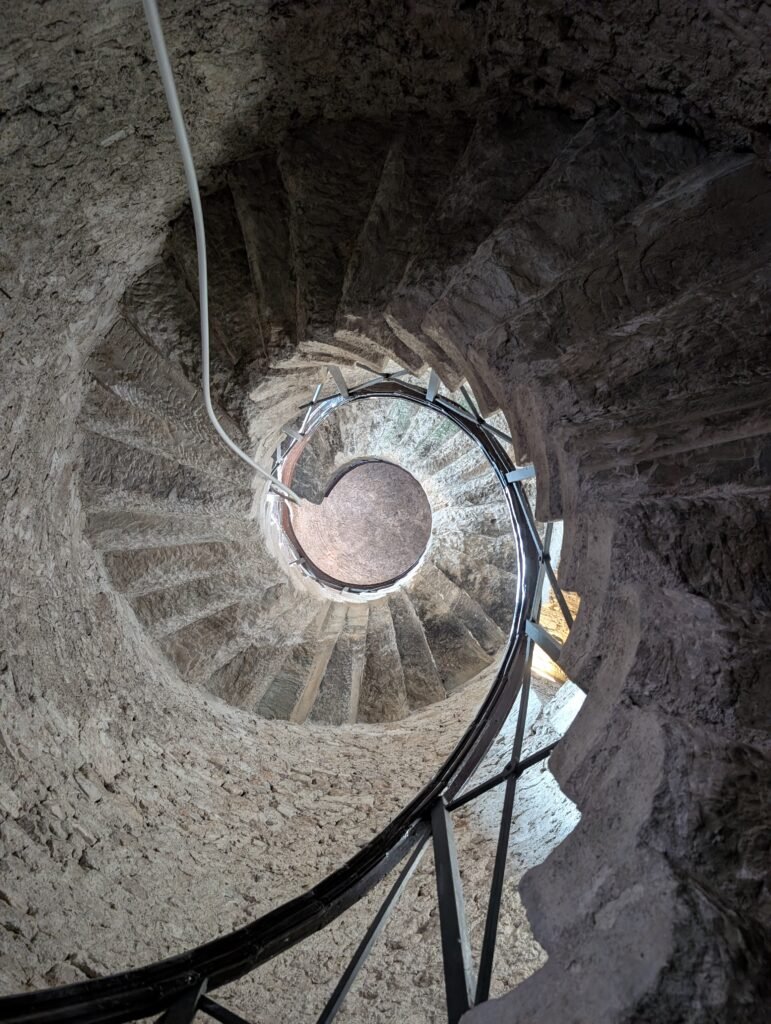
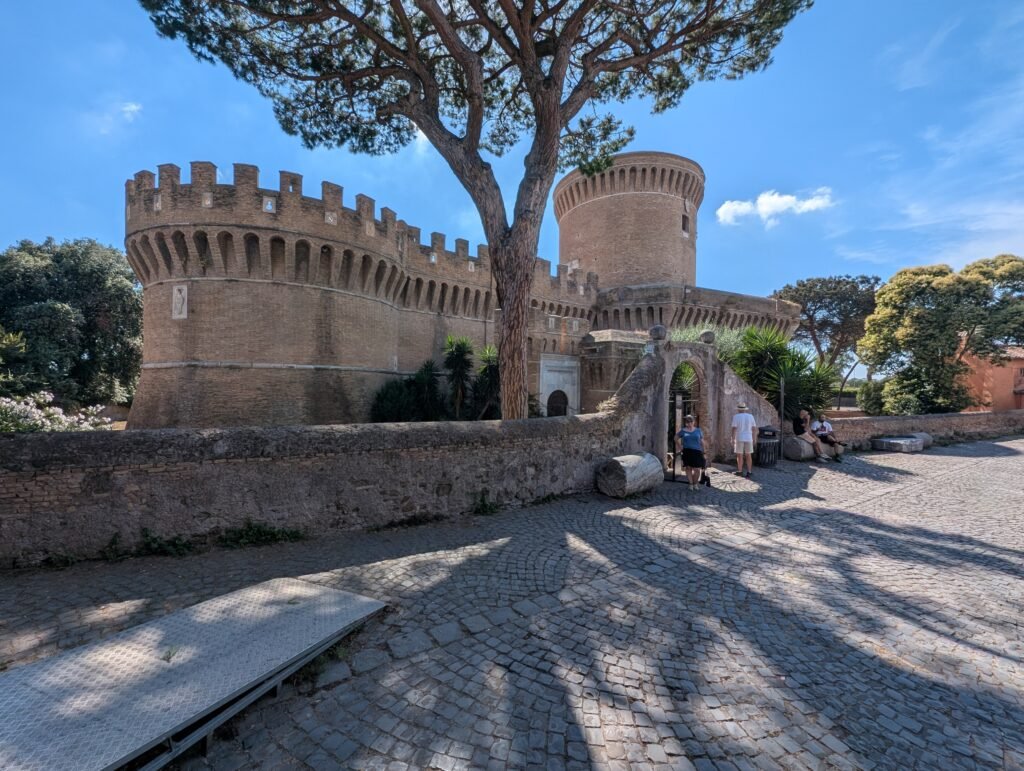
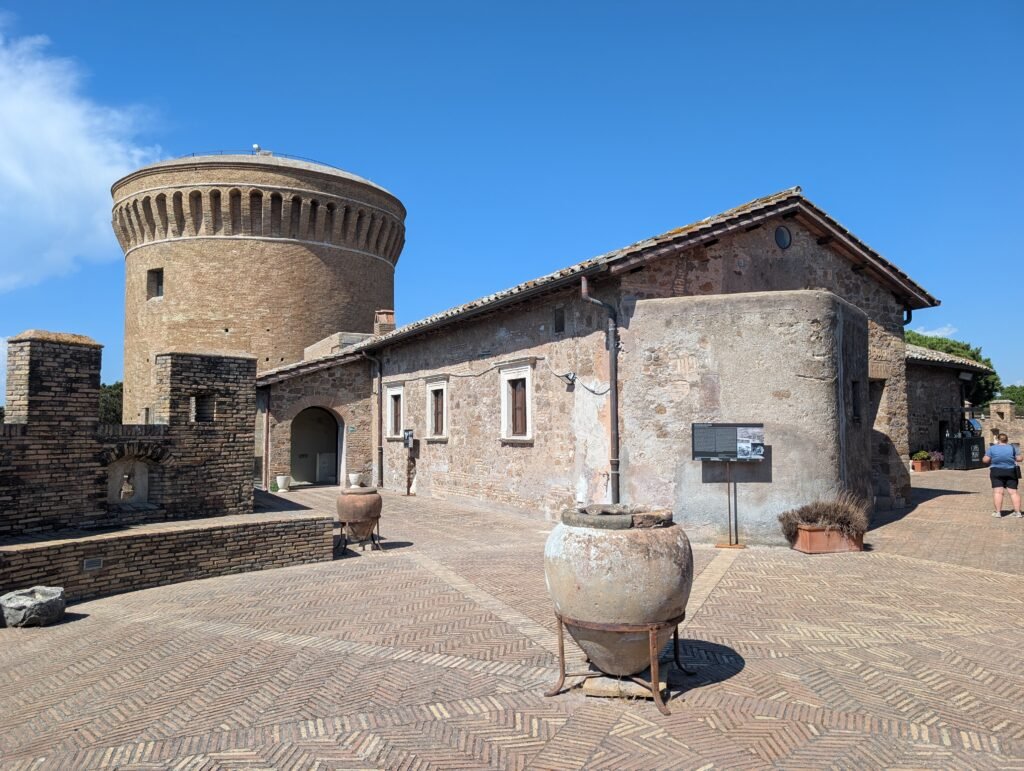
The castello was built as a “borgo,” or fortified city in the 15th century. As part of the Papal States, the borgo was constructed by a cardinal who later became pope. Like most European fortifications it was modified and expanded over the years. The ramps leading up to the ramparts are decorated with frescoes. Large round towers mark the edges of the triangular superstructure. It was an interesting place to stop and visit, though it didn’t take all that long. You walk the ramparts. You explore the casemates. You visit the papal apartments. Then you are done.

We reversed our course to get back to our room, then cooled off for a few minutes before walking over to try a restaurant Kirsten had recommended to us from her visit to Italy with her in-laws the summer before called Roma Sparita. Stephanie tried cacio e pepe, and I had spaghetti ala carbonara with shrimp. We shared a wonderful eggplant appetizer. I found my noodles to be a bit too crunchy for my liking. My shrimp were OK but they took a lot of work to peel, and there were just five. I bought Stephanie a gelato on the way home, and grabbed myself a carton of cheapo ice cream from the grocery store on the way back to the room. It was a long and tiring, but very interesting day.

(Continued)

One of Many Great Floor Mosaics in Ostia
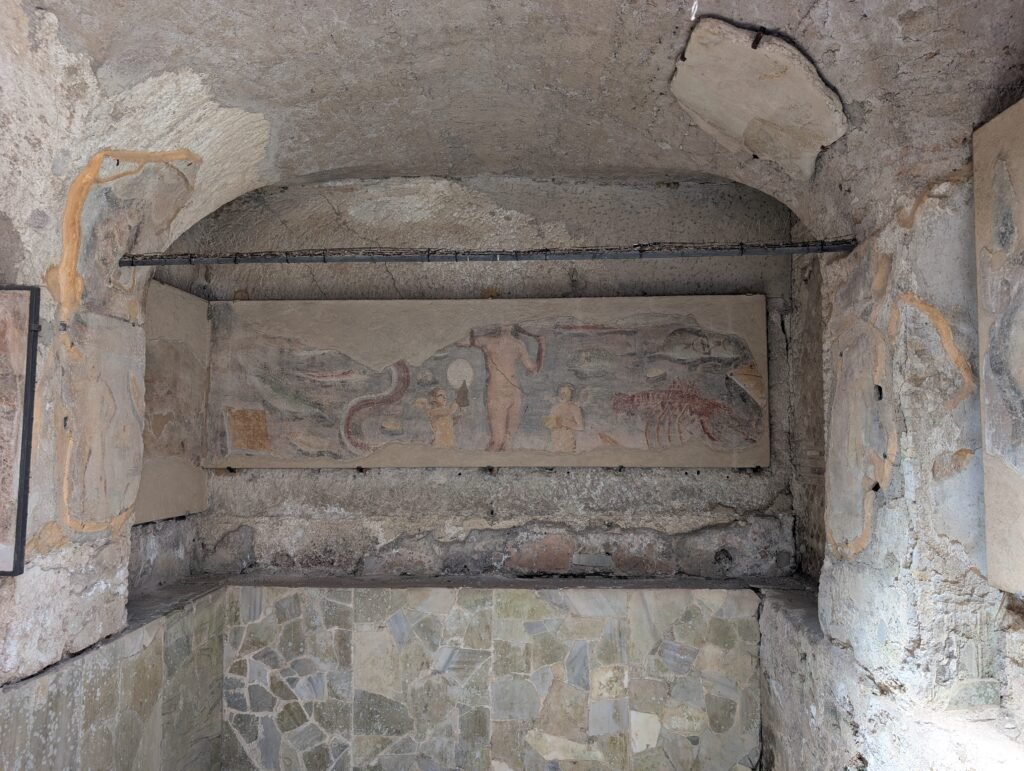
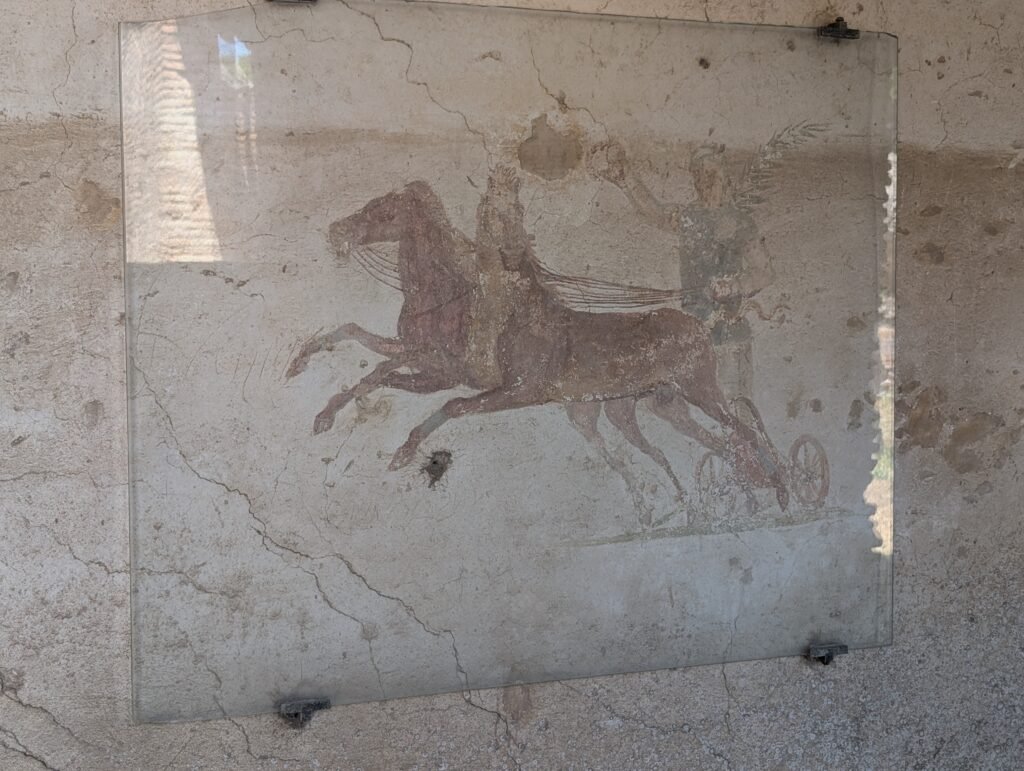
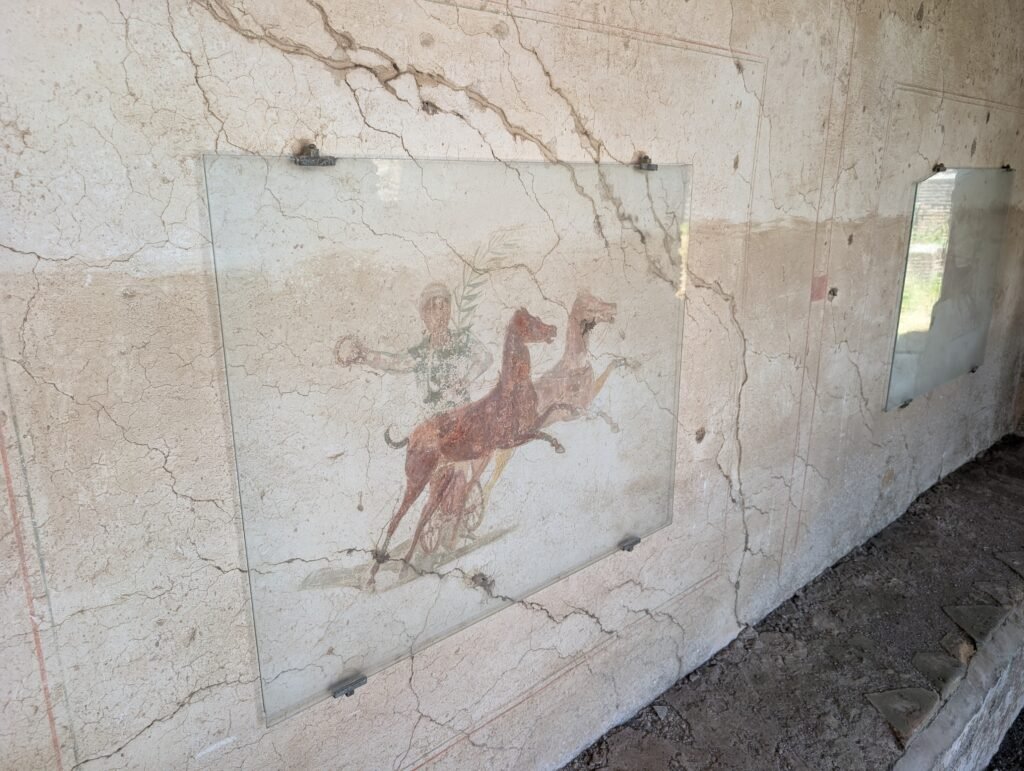
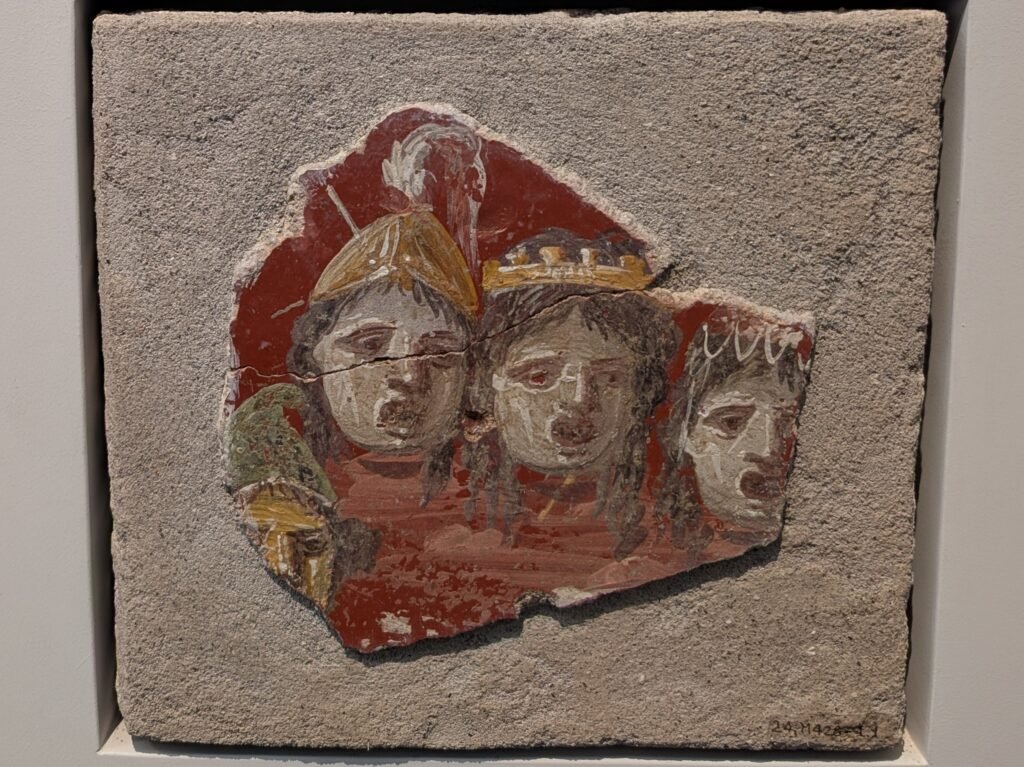
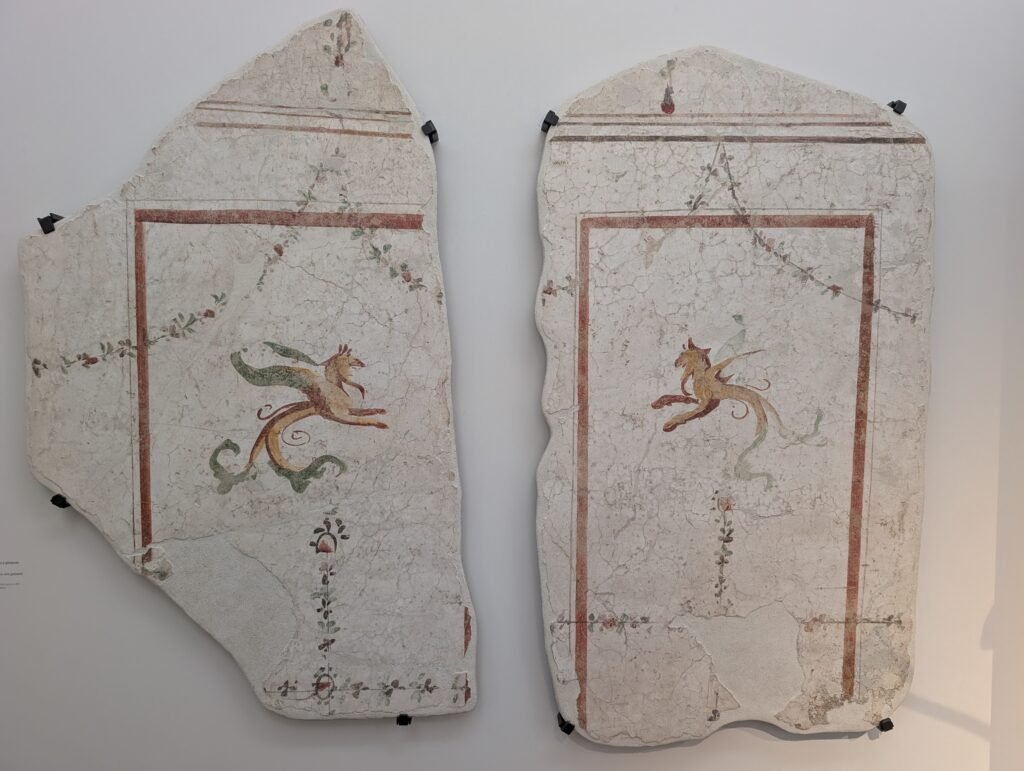
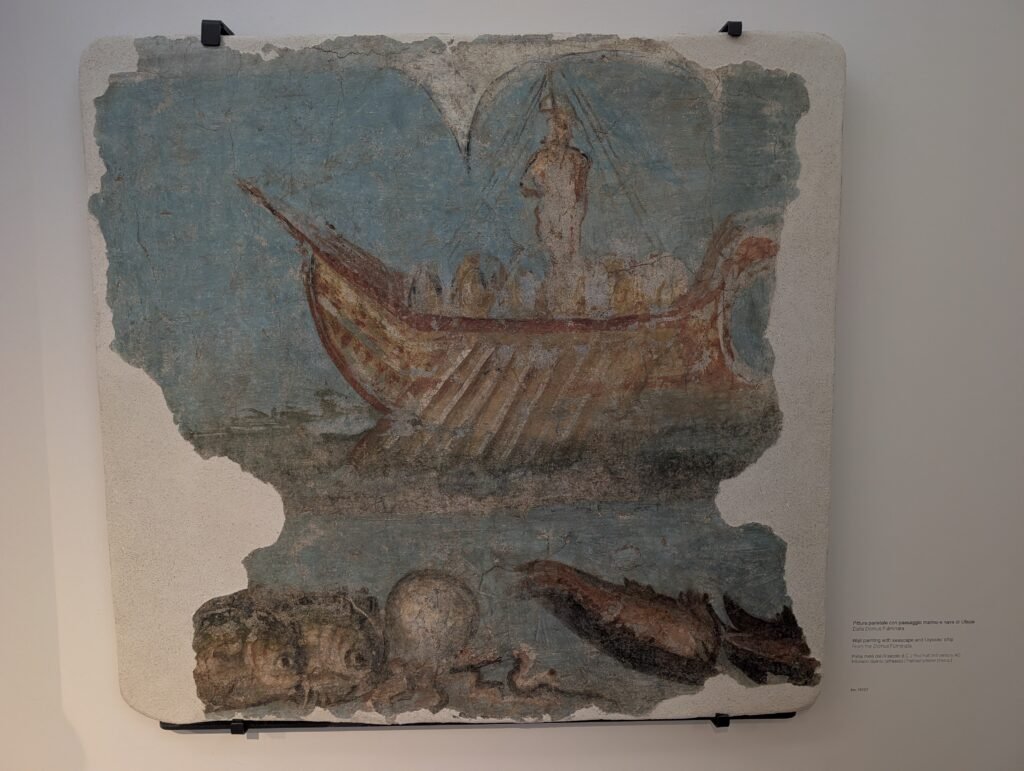
Remnants of Some Frescoes
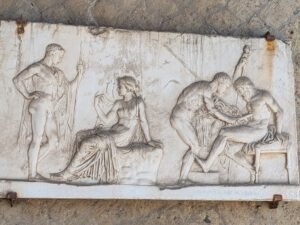
Some Items From the On Site Museum
Castello di Giullio II
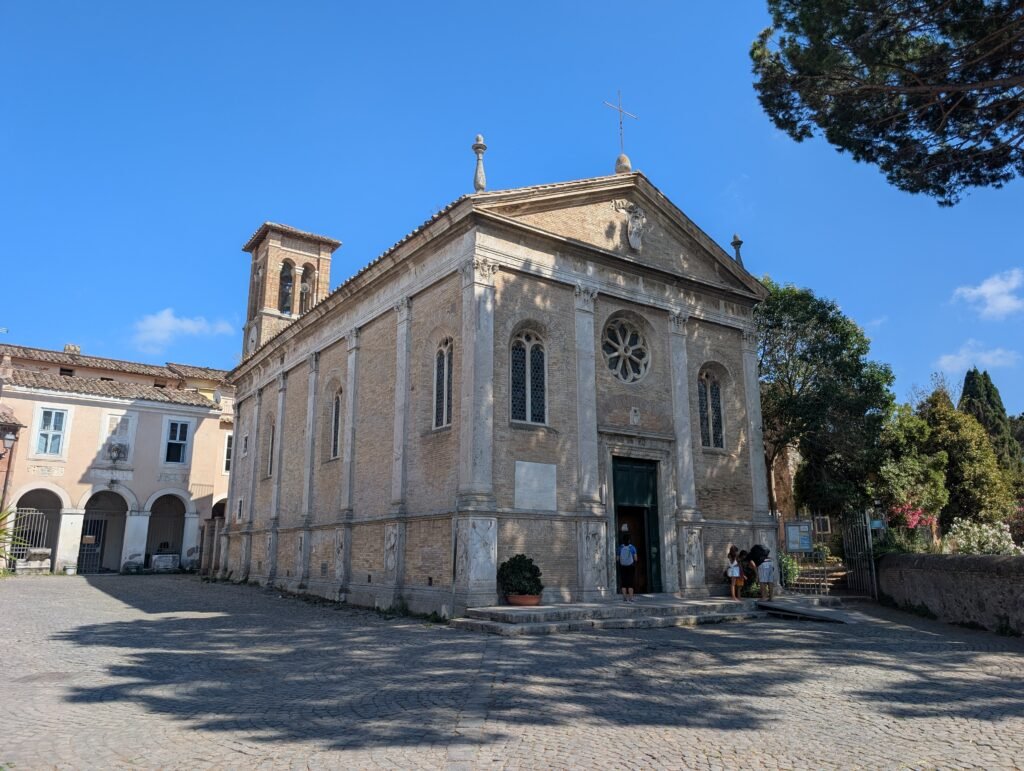
Chapel Just Outside the Castello

We spent a couple of days visiting major Roman sites and the Vatican before venturing out of town again. We set out to recover from our Vatican day by heading out to less-touristed Tivoli. Our plan was to visit Hadrian’s Villa and Villa d’Este. These two villas were placed away from town as getaways. The first was made by the 2nd century Emperor Hadrian. The second was created by a Renaissance era cardinal who really wanted to be pope, but whose dreams were never realized. He was able, however, to extract plenty of priceless antiquities from Hadrian’s Villa and other locations around ancient Rome.

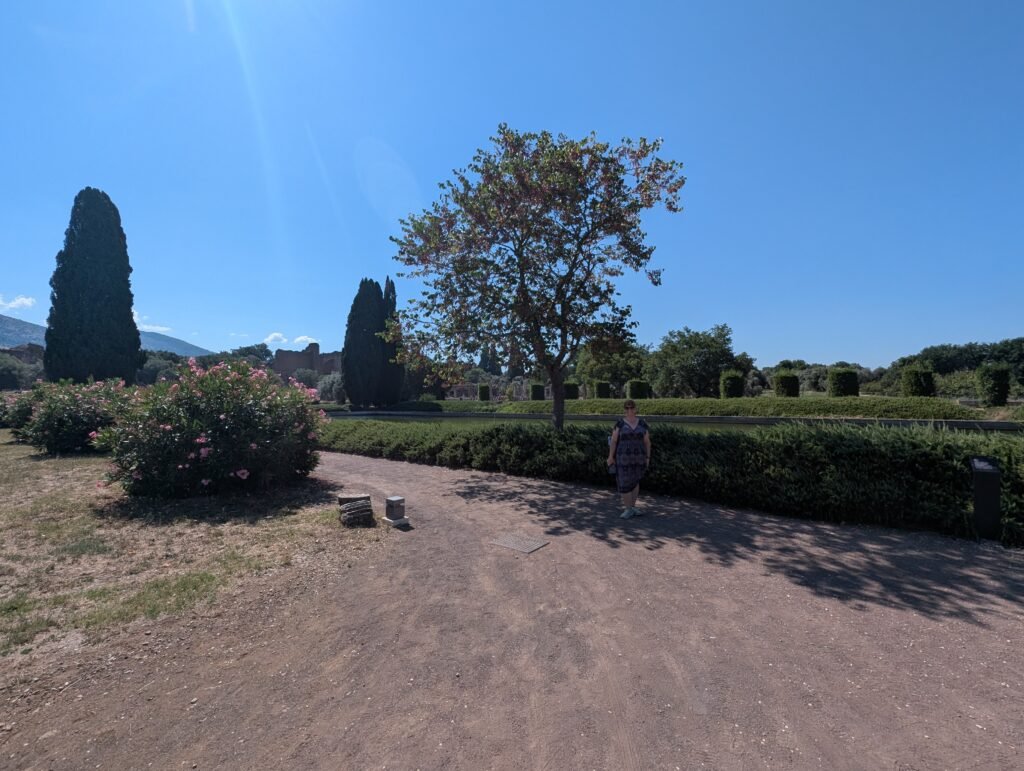
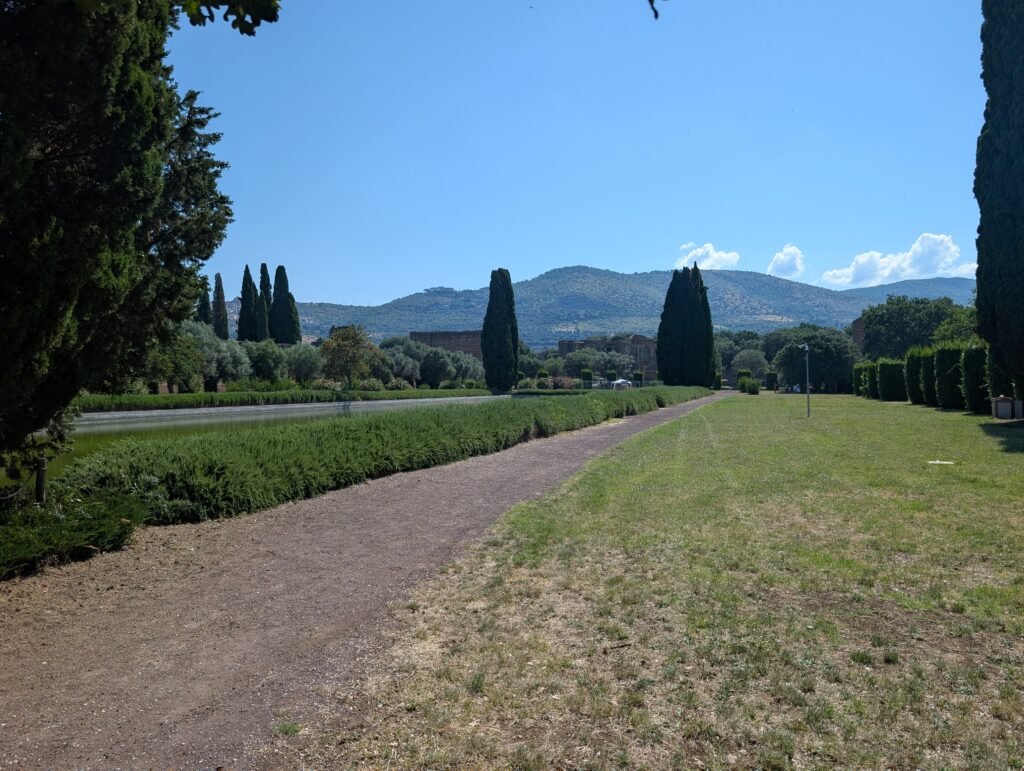
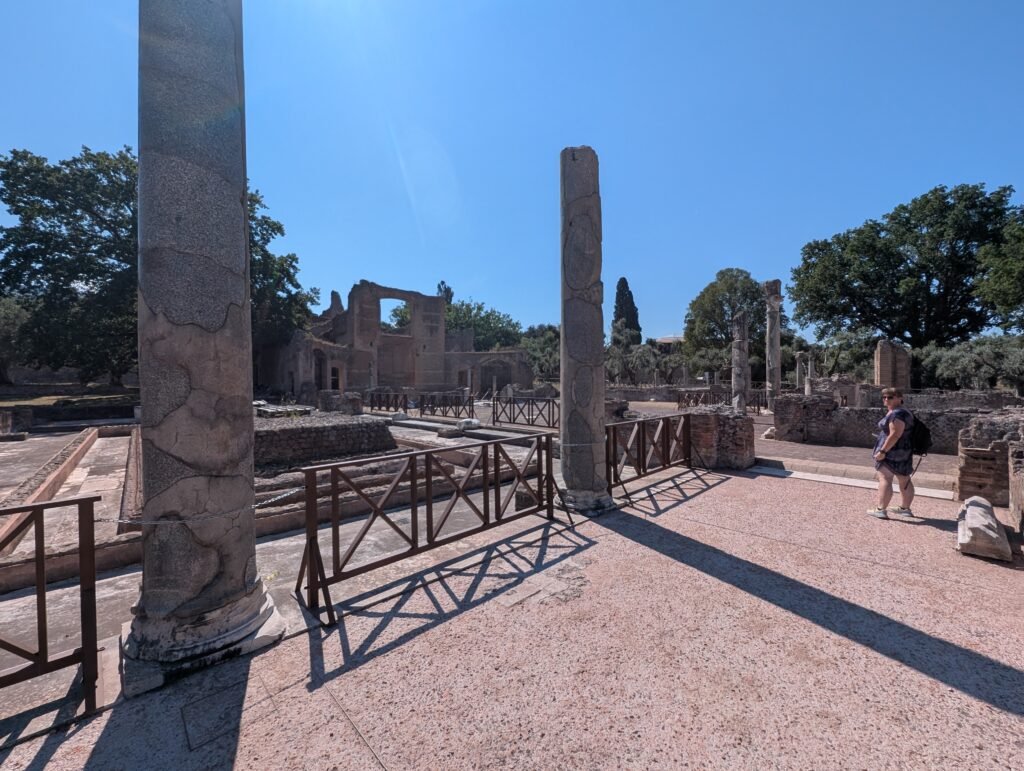
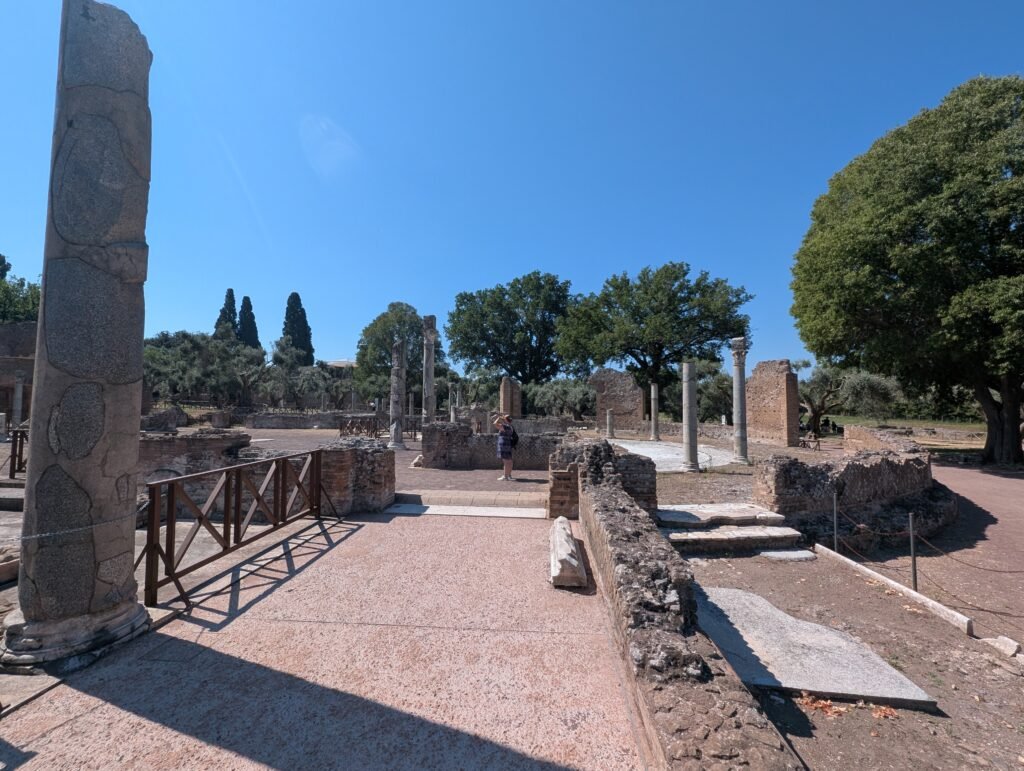
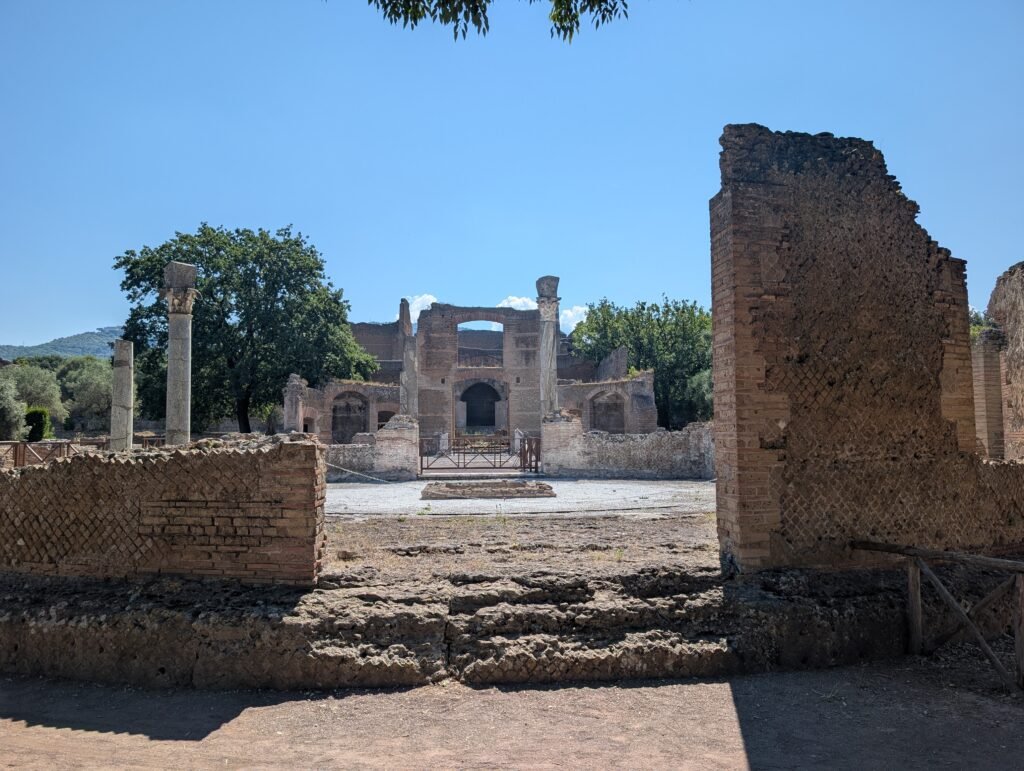
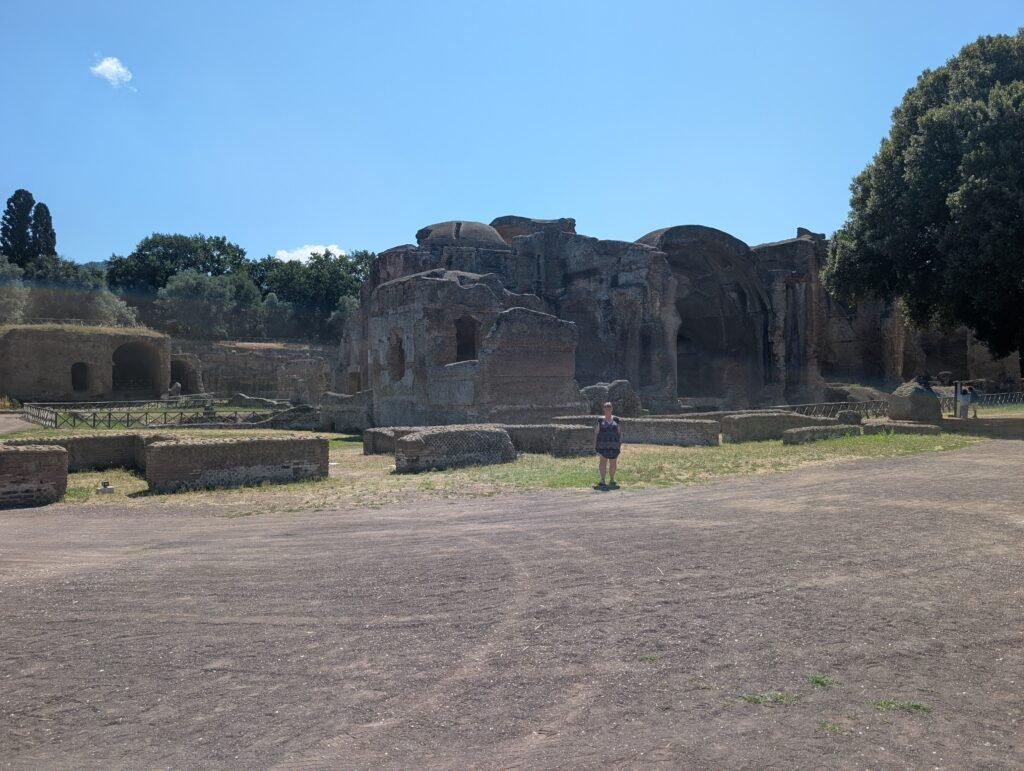
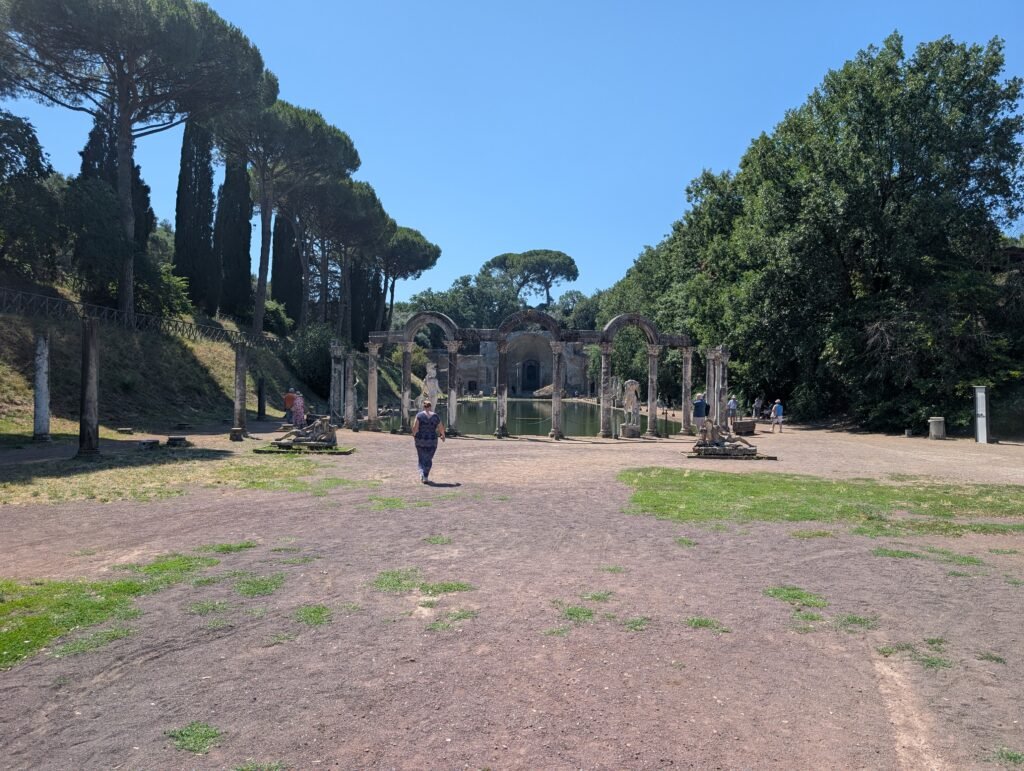
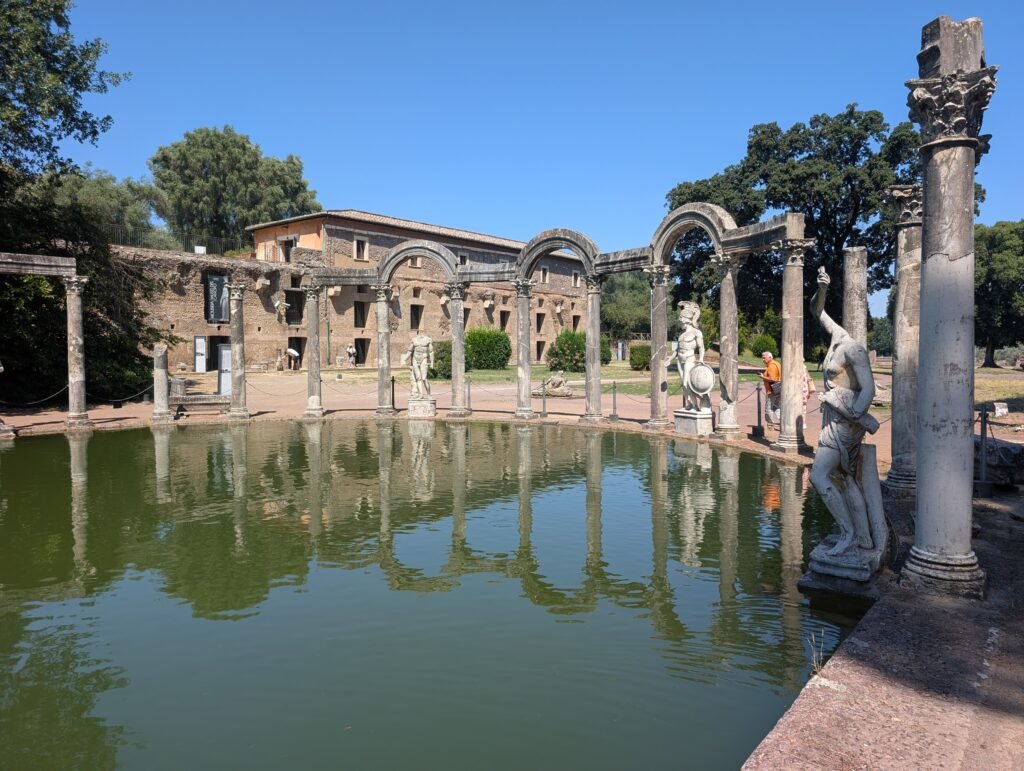
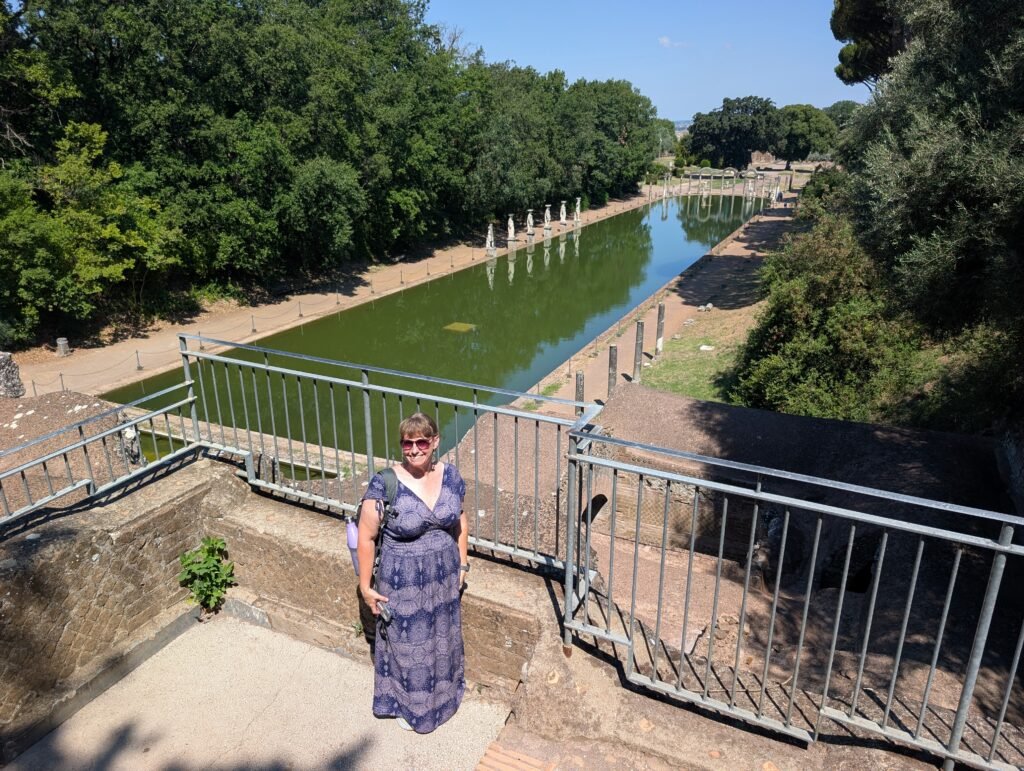
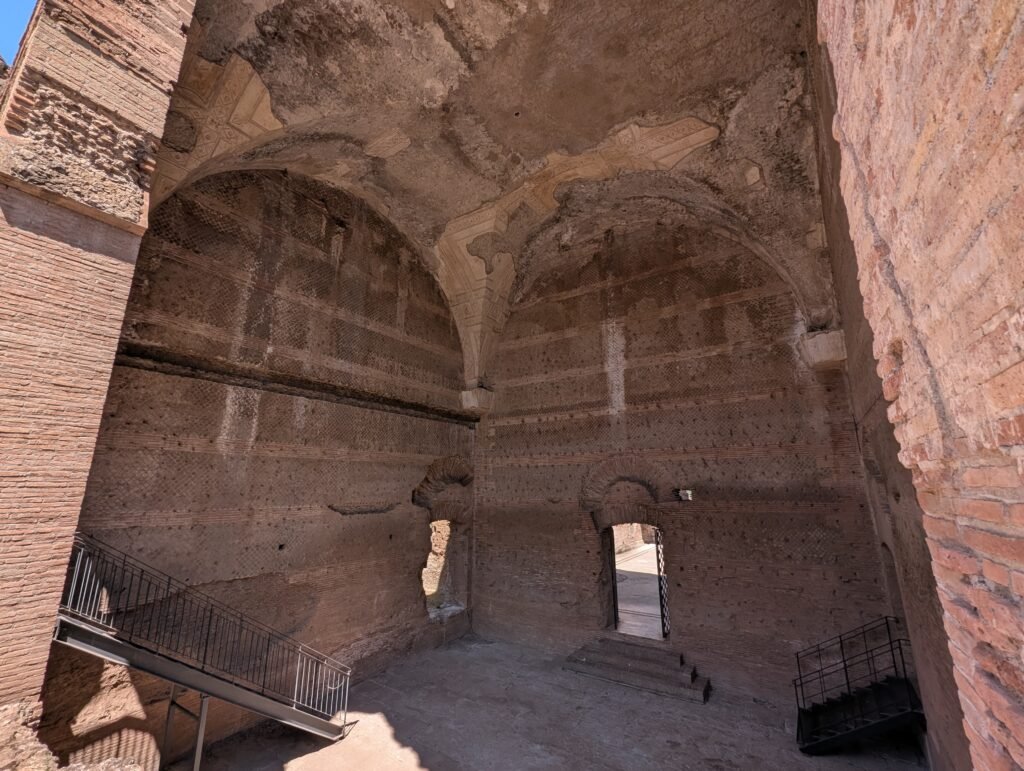
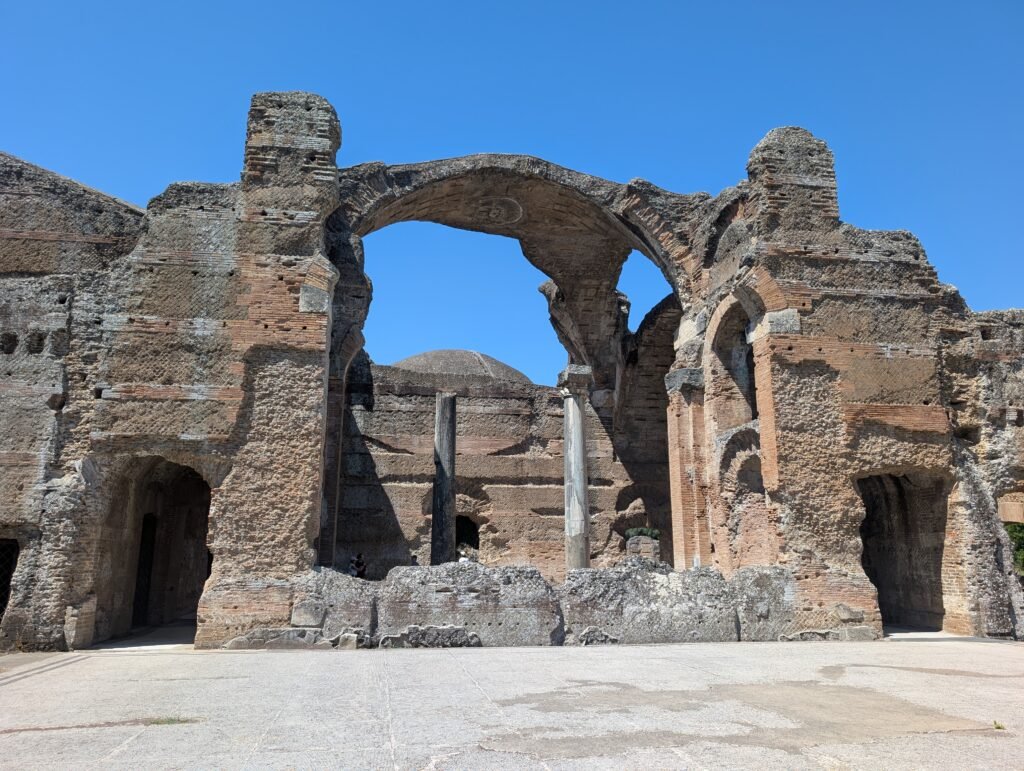
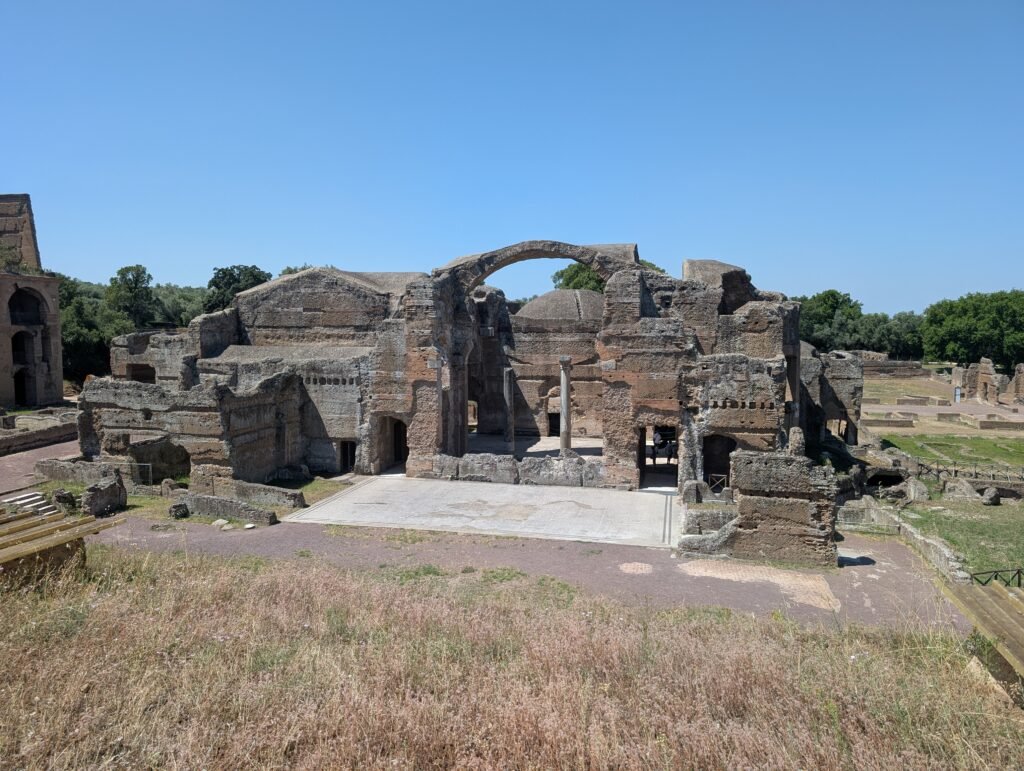
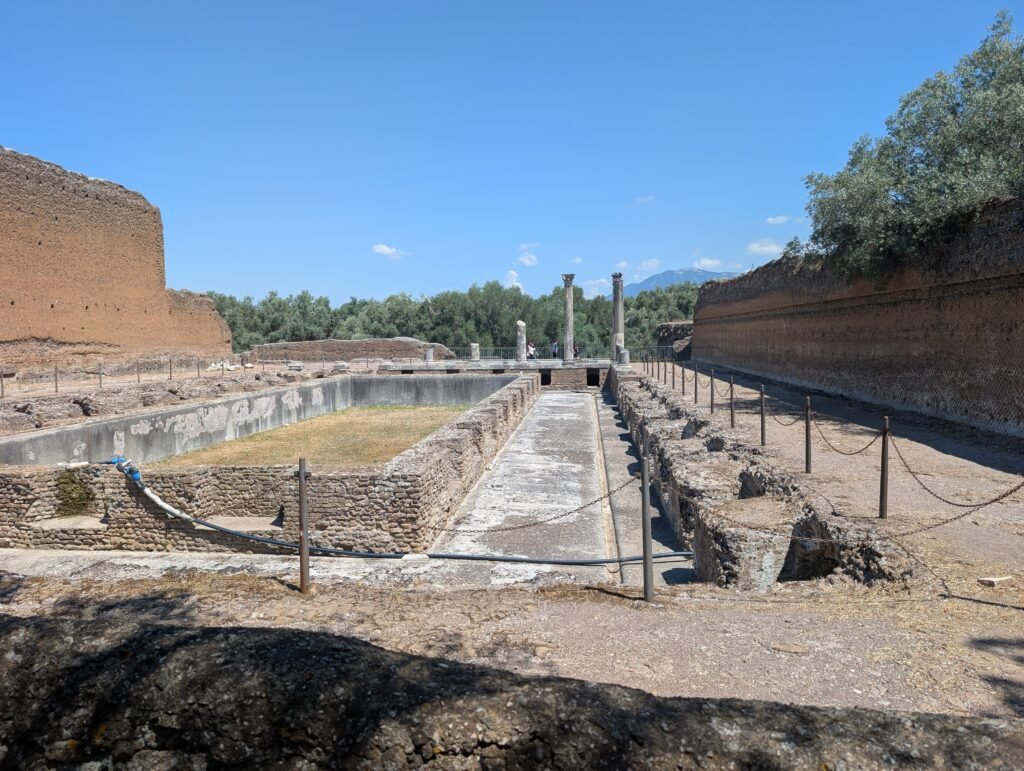
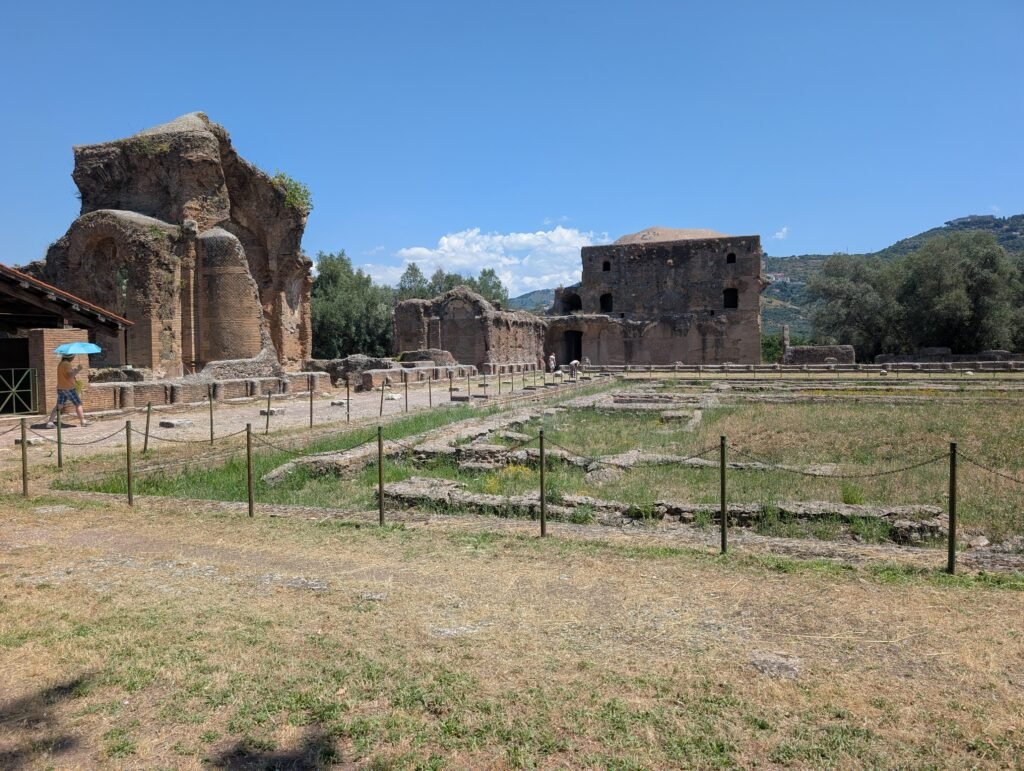
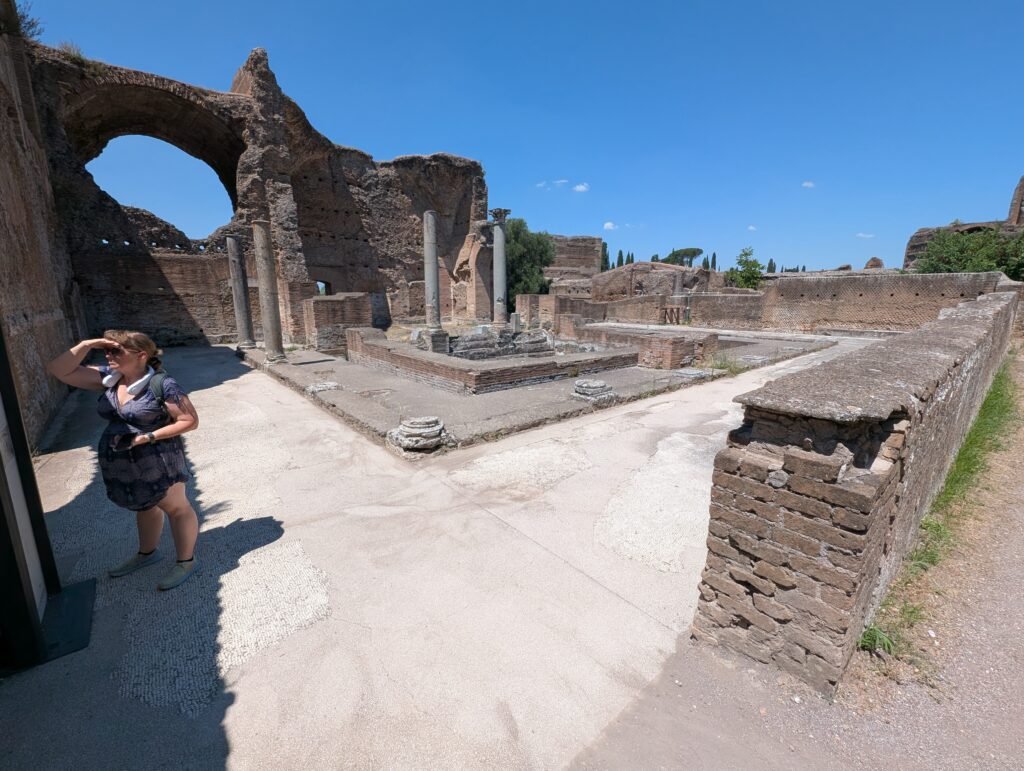
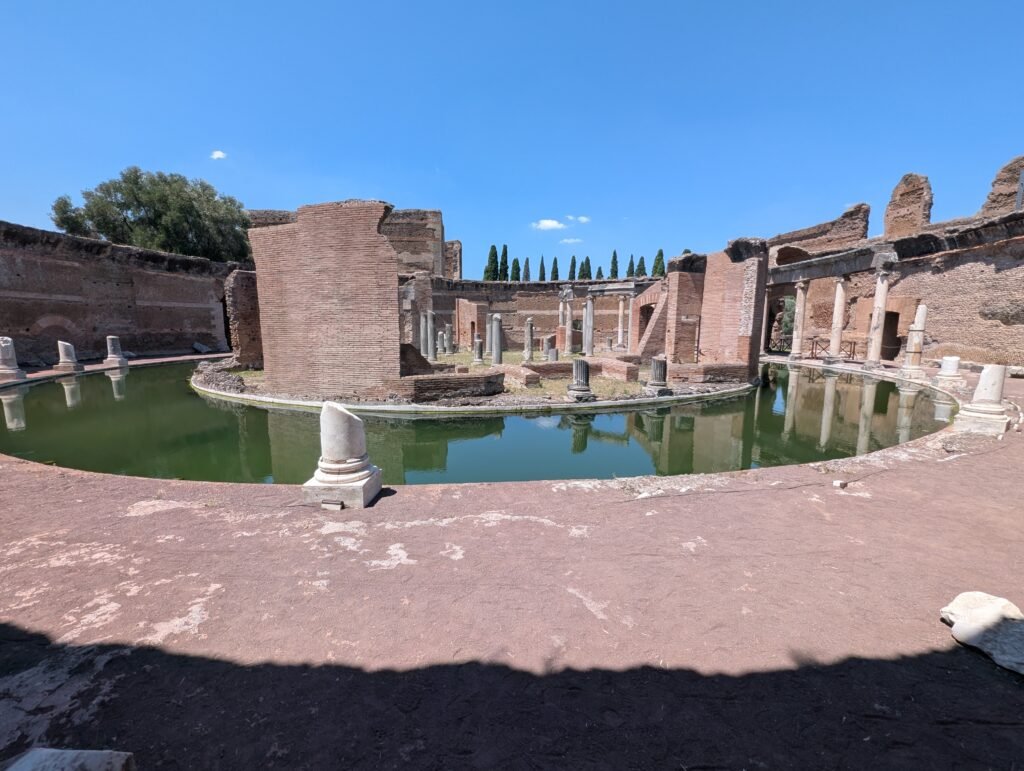
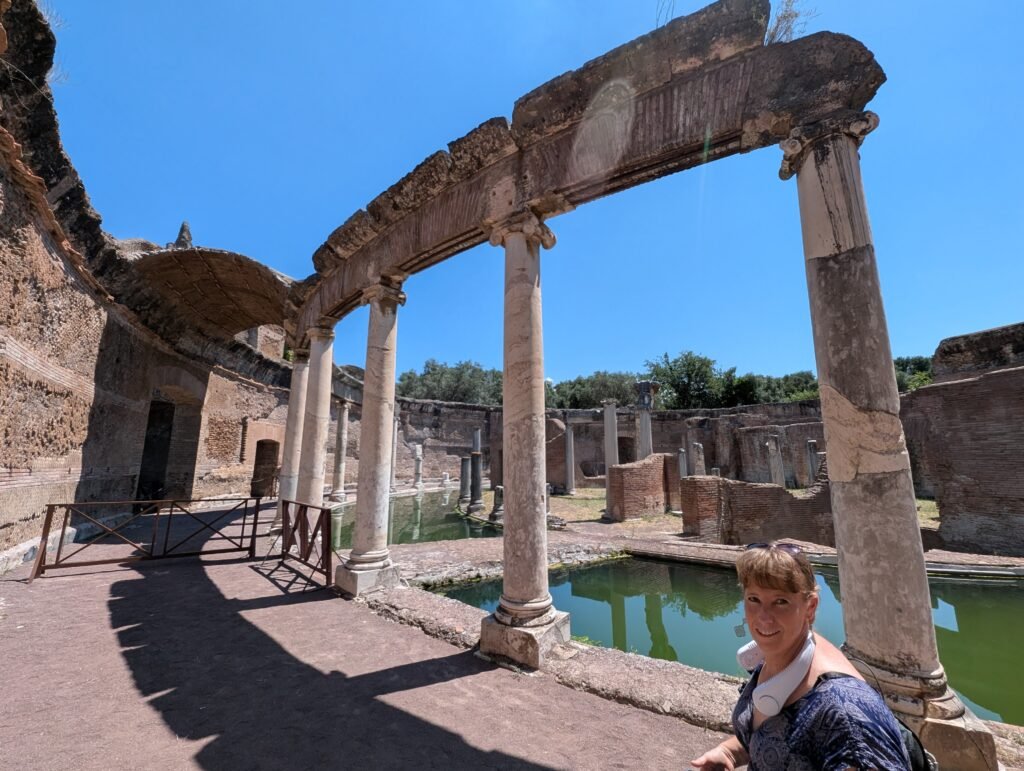
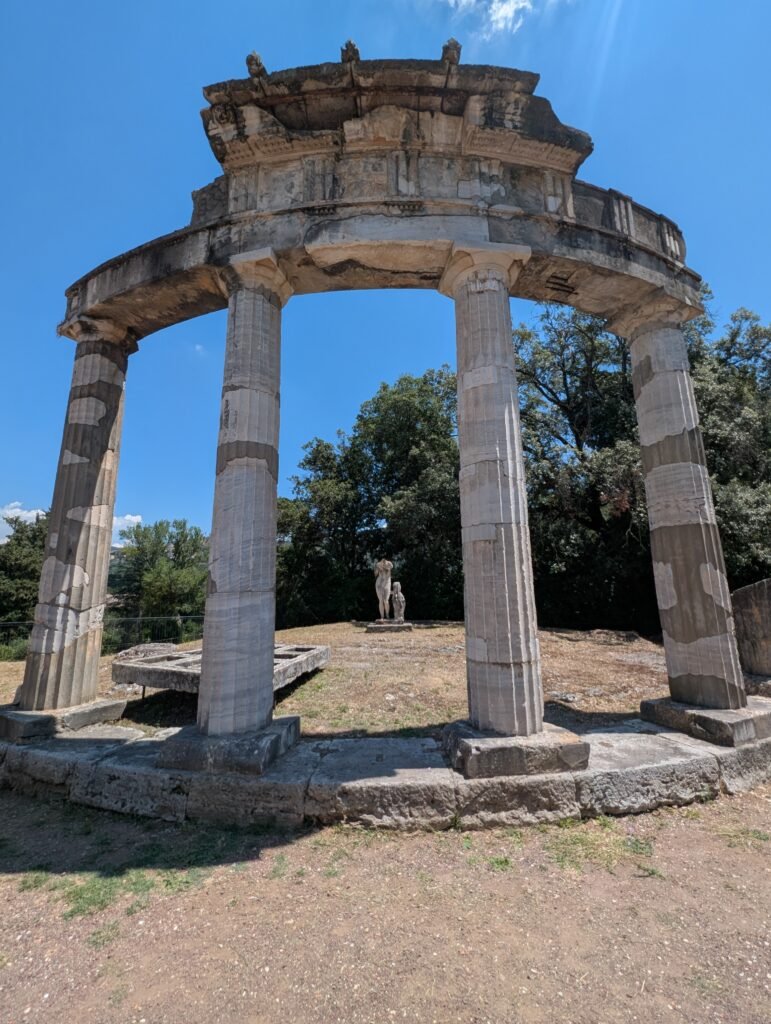
Both of these spots were pretty sparsely visited, even in July. There were about the same number of tourists there as we saw in Ostia Antica. We were able to make it to Tivoli via a very warm, hour long bus ride. It was hard to imagine these places being enough cooler than residences in the city would have been. I was more interested in Hadrian’s Villa, so we went there first. There were ruins of amphitheaters and baths, just as if we had been in a small or medium sized city. Most of the buildings were identifiable. There were several large pools, not for swimming, but just decorative. Most of the statuary, marble, and other art had been long since stripped off and cannibalized. It was interesting to learn while there that most of the buildings were constructed while Hadrian was known to have been gone on military campaigns or other expeditions. They were planned so as to be complete when he returned – so there would not be major construction projects going on to disturb his enjoyment of the property.

(Continued)
Hadrian's Villa
Gardens
Looks Like a Scene From Spartacus
Private Baths
Fish Ponds
Amazing Circular Theater With Moat and Livable Quarters in the Center
Small, Distant Temple

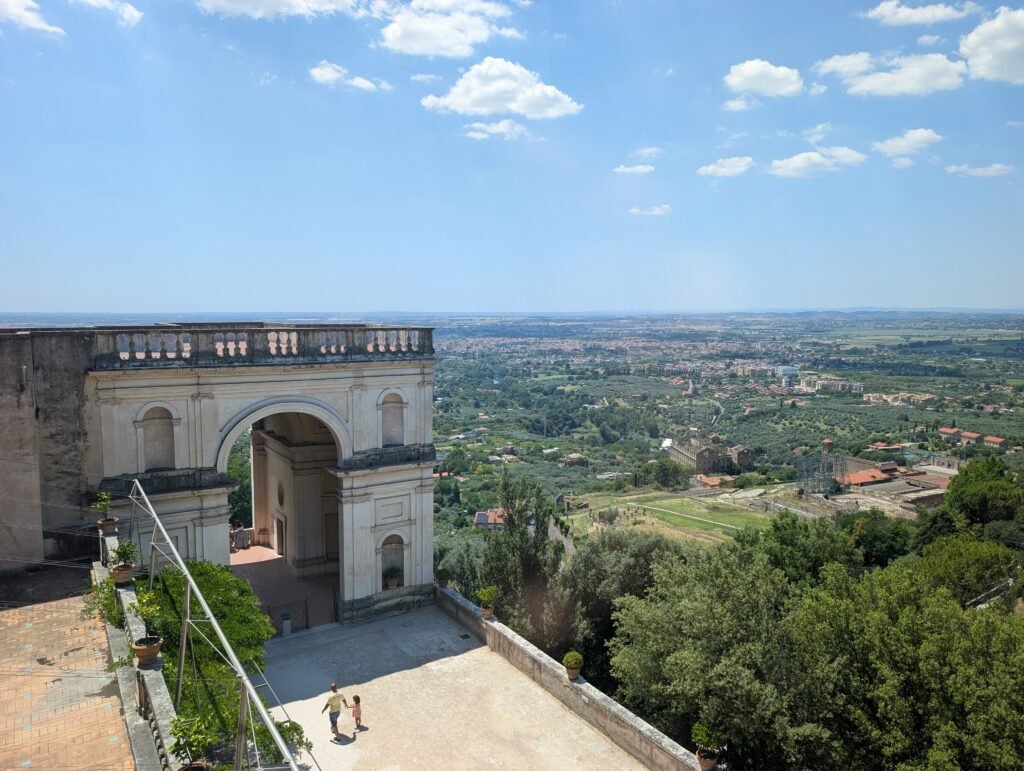
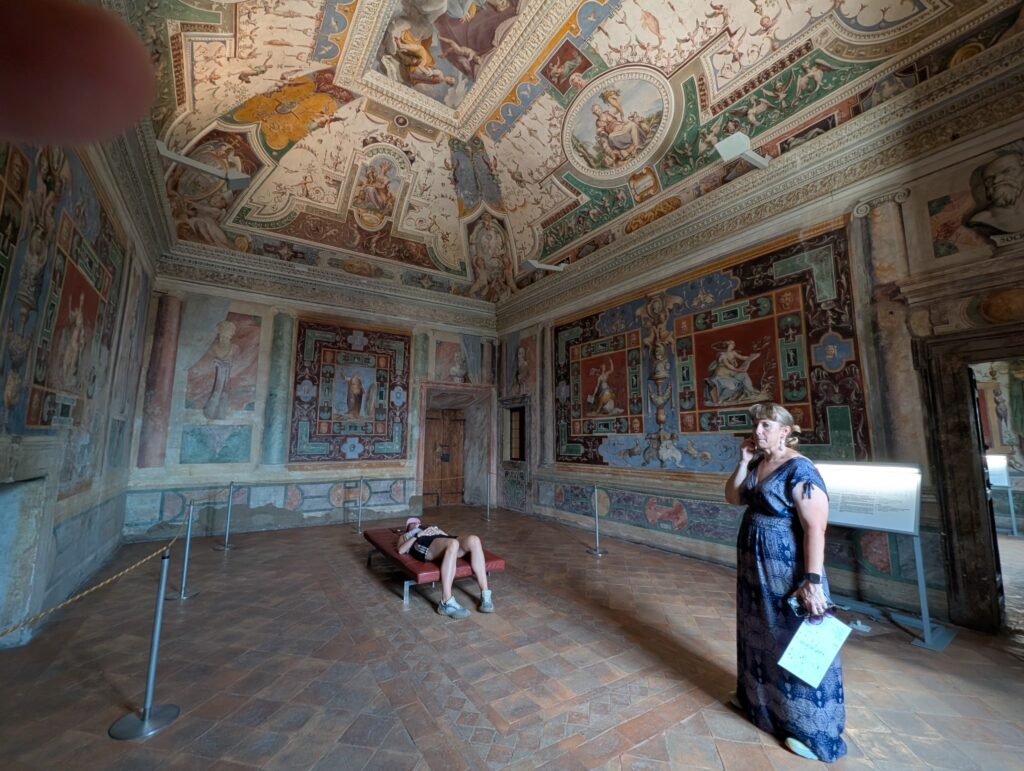
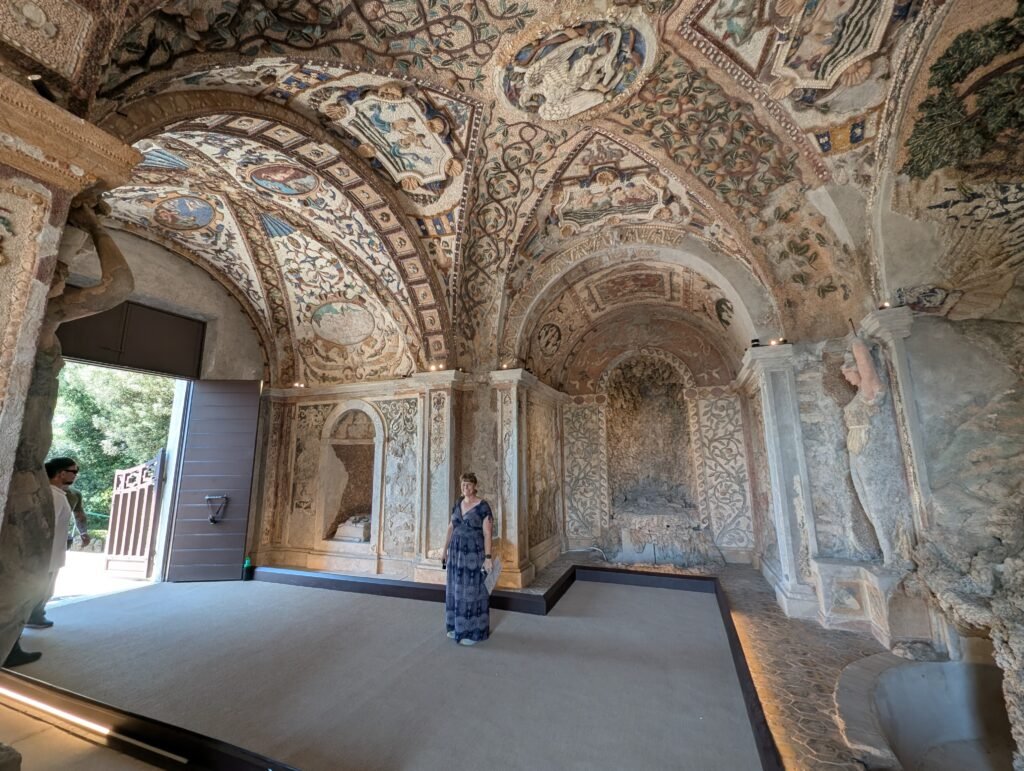
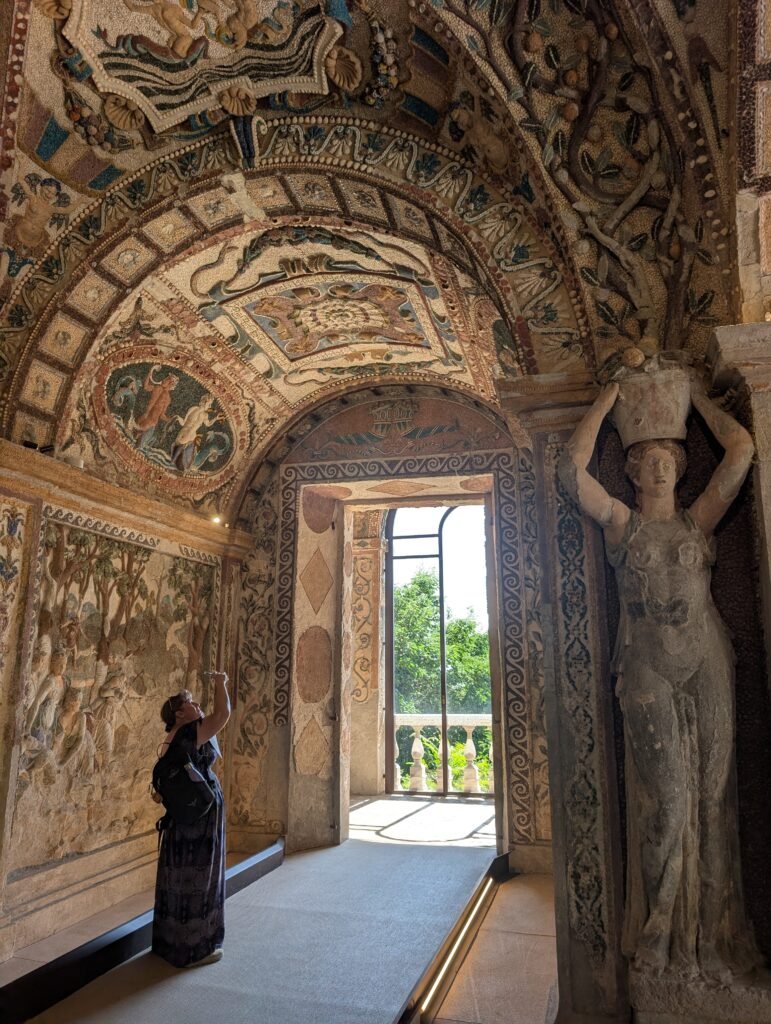
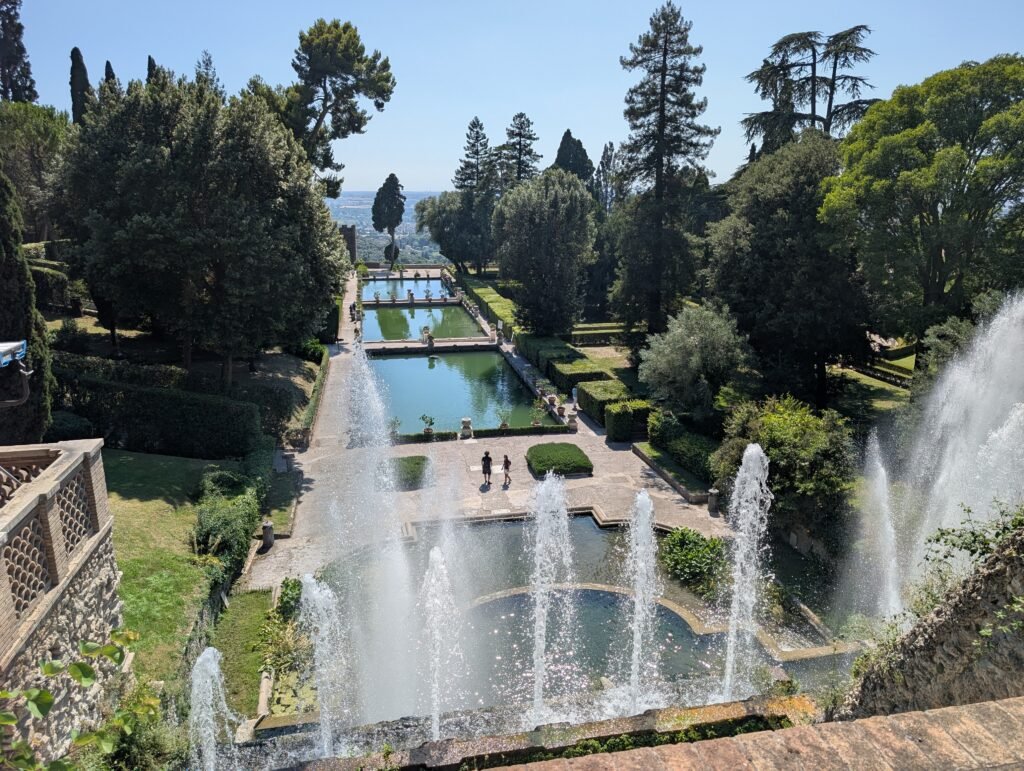
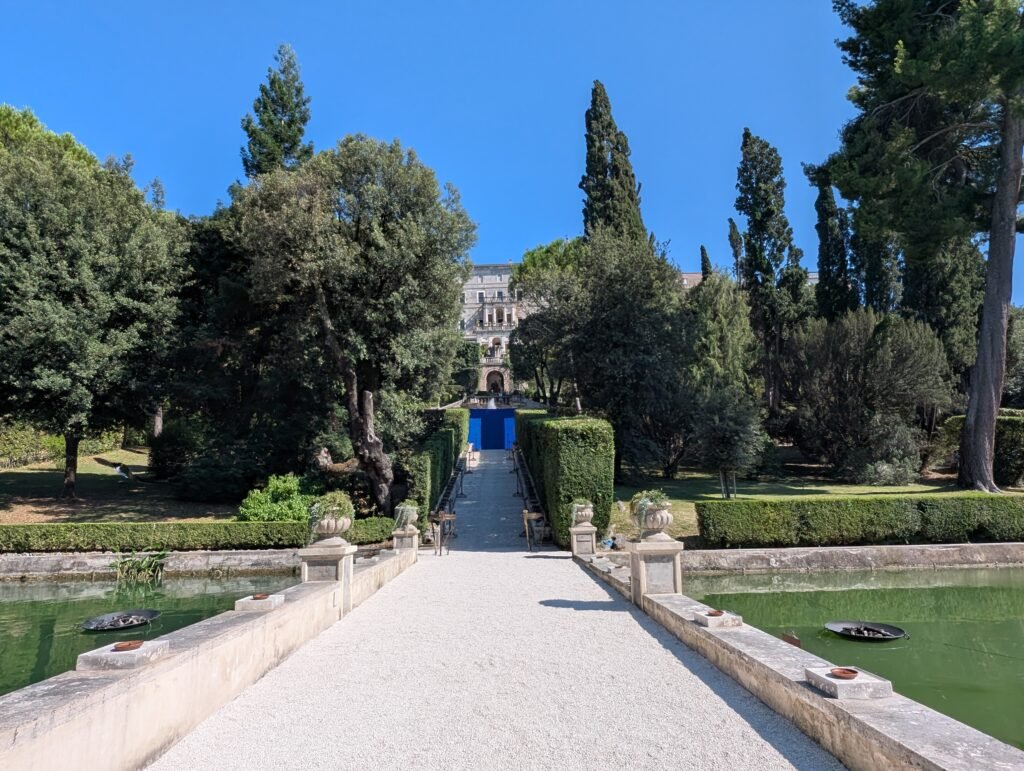
Villa d’Este is a large terraced garden. The residence itself is a long, narrow building atop a hill. It commands quite a view of the gardens as well as the countryside leading off toward Rome. The upper floors were the cardinal’s quarters. Other rooms beneath were dedicated to the depiction of Biblical stories. One small room was allocated to a friend of the cardinal’s who lived there apparently a lot more often than he did.

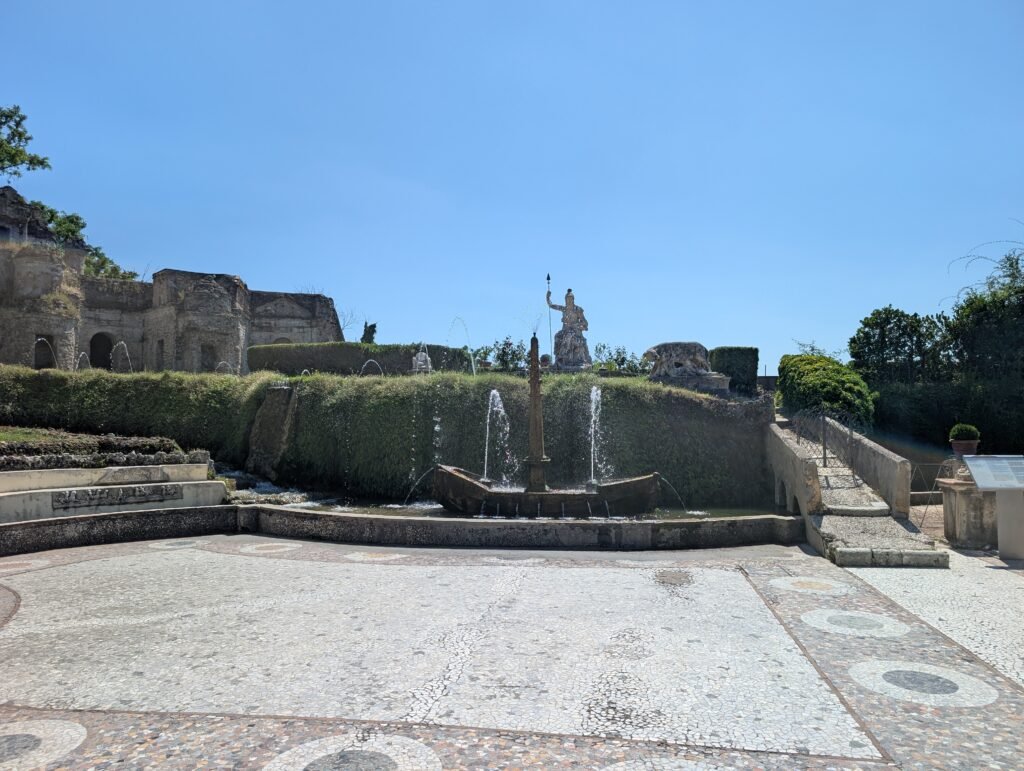
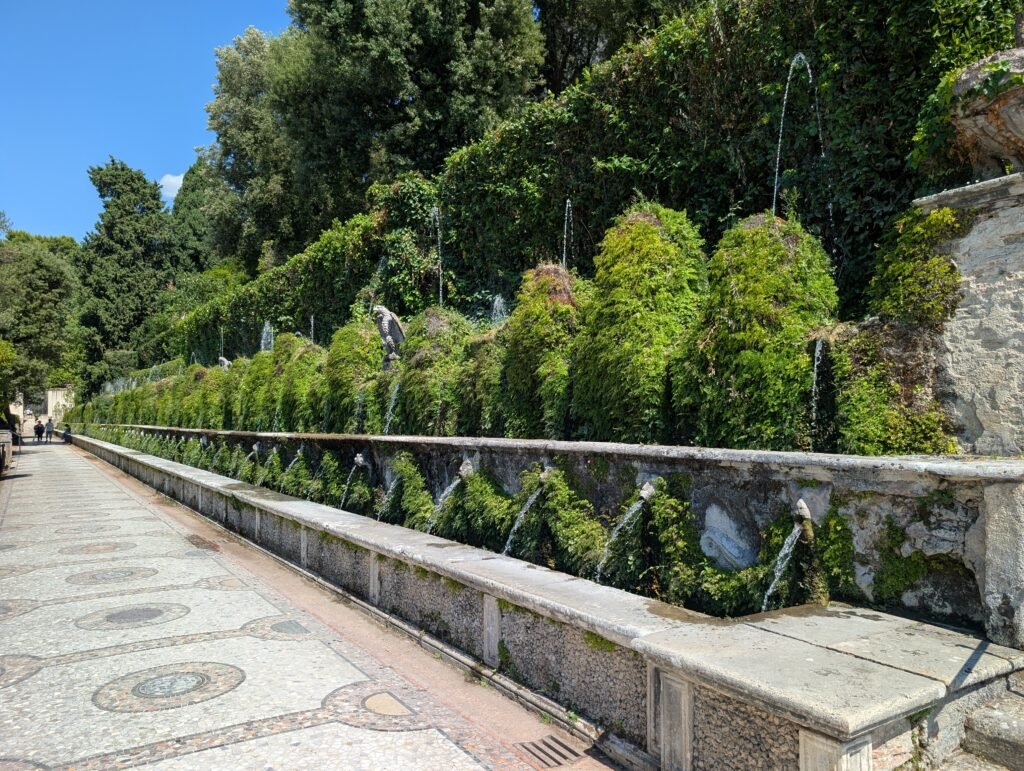
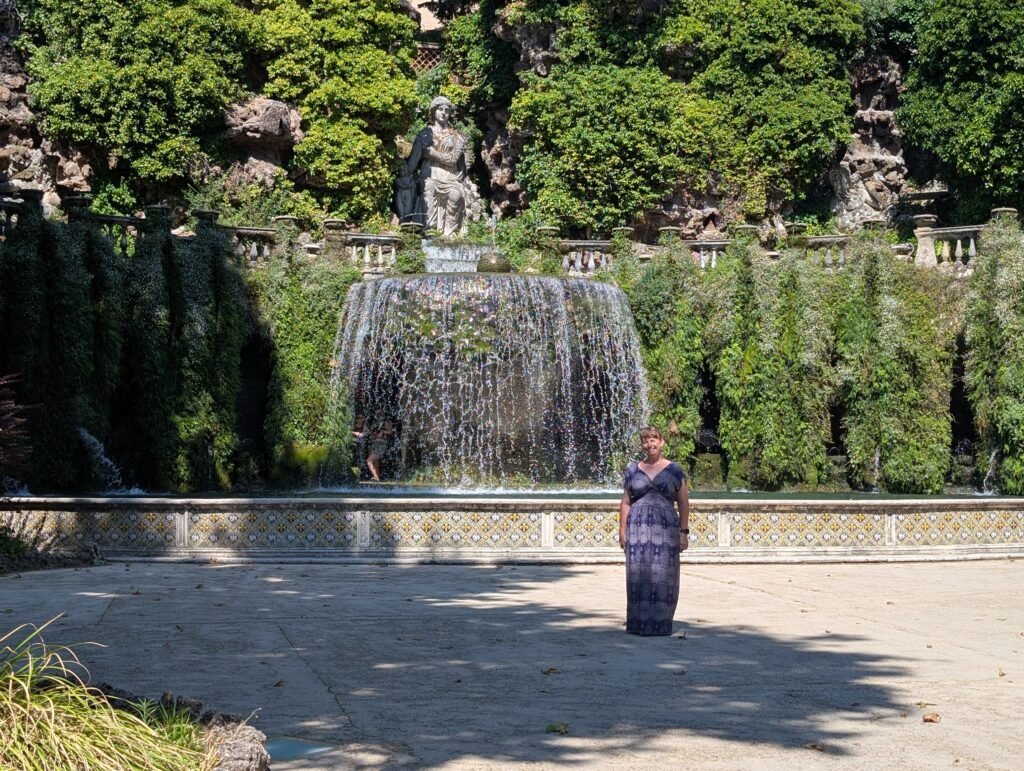
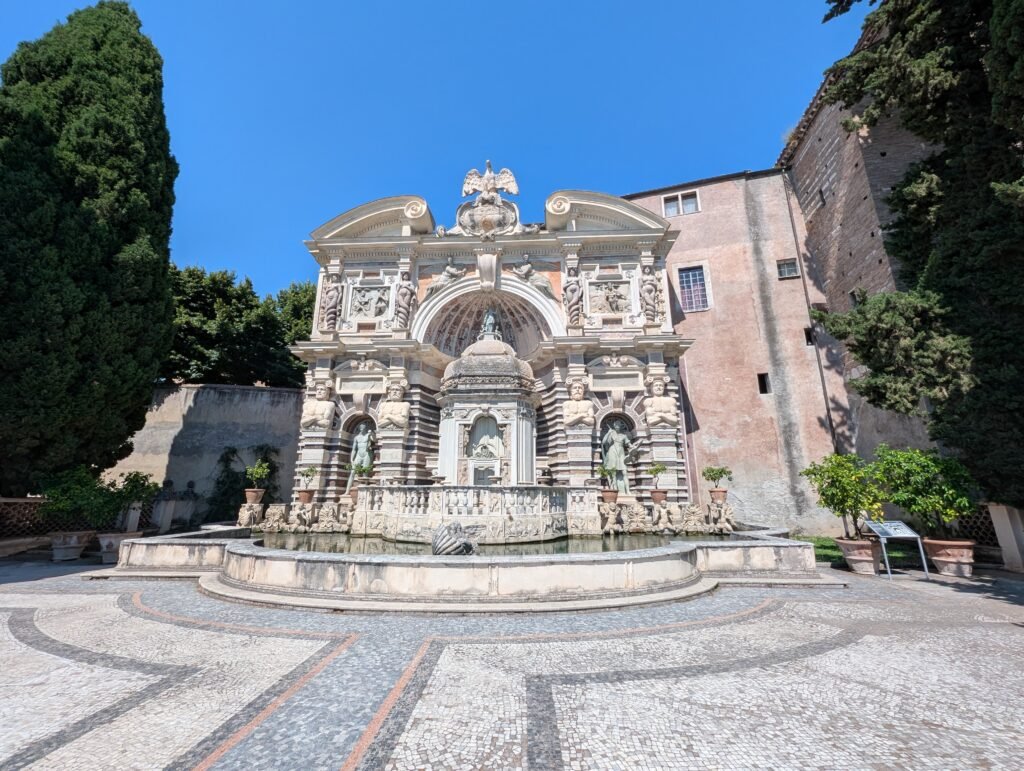
Below about three levels of the villa’s residence, we found a multiple tiered garden, with hundreds of fountains. The fountains were all engineered to use the gravity from the upper levels of the mountain to maintain pressure and run the water. One terrace row had three hundred fountains. Other larger ones appeared on the ends. There were ponds for breeding fish that could be used for food in the mansion. Some large fountains overlooked the valley below and Rome. One had a large waterfall. One of the fountains contained a hydraulically operated organ that played music every two hours. We were there long enough to hear the music. Of course, here and there we also found the ubiquitous public drinking water fountains around the grounds.

After we had walked the mansion and gardens while listening to our audio guides, we grabbed a pizza in the town of Tivoli. The restaurant sold pizza by the kilogram, not that we ate a kilogram of pizza. They did weigh it out though, and charged us accordingly. Once we were done, we connected via bus and metro back to our neighborhood in Rome. Although we rode public transportation to get to and from our major stops, we still ended up walking quite a bit. It was another long, tiring, and fulfilling day.

Views From Mansion at Villa d'Este
Villa d'Este Art
Italy
Rome
The Vatican
Naples
Venice
Milan