Like Slovenia, Croatia was part of the former Yugoslavia. Croatia is the best known of this group of six countries. Croatia is a hot destination among European tourists, and if you look at a map, it’s easy to see why. It has a huge stretch of Adriatic coastline. On that coast there are many beaches. Unlike beaches in Italy that are mostly covered with what amounts to pea gravel, Croatian beaches tend to be the sand covered kind beach bums crave.
In the last few years, Croatia has adopted the Euro. This combination of tourism and hard money has made it a pretty expensive destination. Croatian beaches are not a bargain destination. One can visit other parts of the country without breaking the bank, but Dubrovnik was the most expensive place I visited on the entire trip.
Like Slovenia, Croatia is primarily a Catholic country. It has a large majority of ethnic Croat citizens. While Croatia suffered a bit more than Slovenia during the 1990s wars, Croats dealt with nothing like the chaos, sieges, long-term conflict, and even genocide that plagued its neighbor, Bosnia. Croatia felt the conflict in a couple of its border areas where there were pockets of Serbs, and were occasionally the aggressors in areas of Bosnia with pockets of Croats. You can find war memorials and some damaged historical buildings here and there, but you won’t see nearly the visible scarring evident throughout Bosnia.
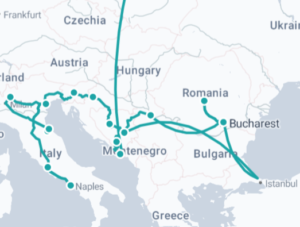
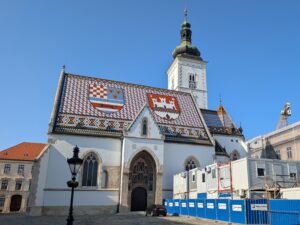
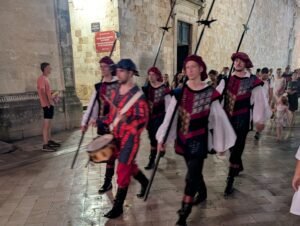
I spent time in Zagreb, which is not on the Adriatic coast, and Dubrovnik, which is. My visits to those cities were separated by about two and a half weeks. This was because I passed through a thin part of Croatia en route from Ljubljana, Slovenia to Jajce, Bosnia. I did stay in Zagreb for a couple of days. I went to church there and visited the city’s highlights. My homeward bound flight itinerary began in Dubrovnik. I decided to spend a couple of days in that city before I headed for home.