Helsinki
Bonus Stop in the North
Helsinki, Finland was not supposed to be part of this Italy and the Balkans trip. At least, it wasn’t supposed to be anything other than a stopover on my first ever trans-oceanic business class flight. As it turned out, I got to see some of Finland but still never got to experience the trans-oceanic business class cabin. I was originally slated for a more reasonable layover, but received a message a few weeks prior to the trip that my flights from Dubrovnik to Helsinki, and Helsinki to Dallas were both delayed a day, and the layover would be nearly 24 hours. This didn’t sound bad at all to me. It would give me the opportunity to see a new country in some significant sense – or at least I would see some of Helsinki.
I was surprised to learn that Helsinki – at the extreme Southern edge of Finland – still lies north of the 60 degree latitude line. It is almost as far north as Anchorage, Alaska. Although it was mid August by the time I visited, there was still twilight until around 11:00 p.m. This extended my chance to see the city on my lone Finnish afternoon.
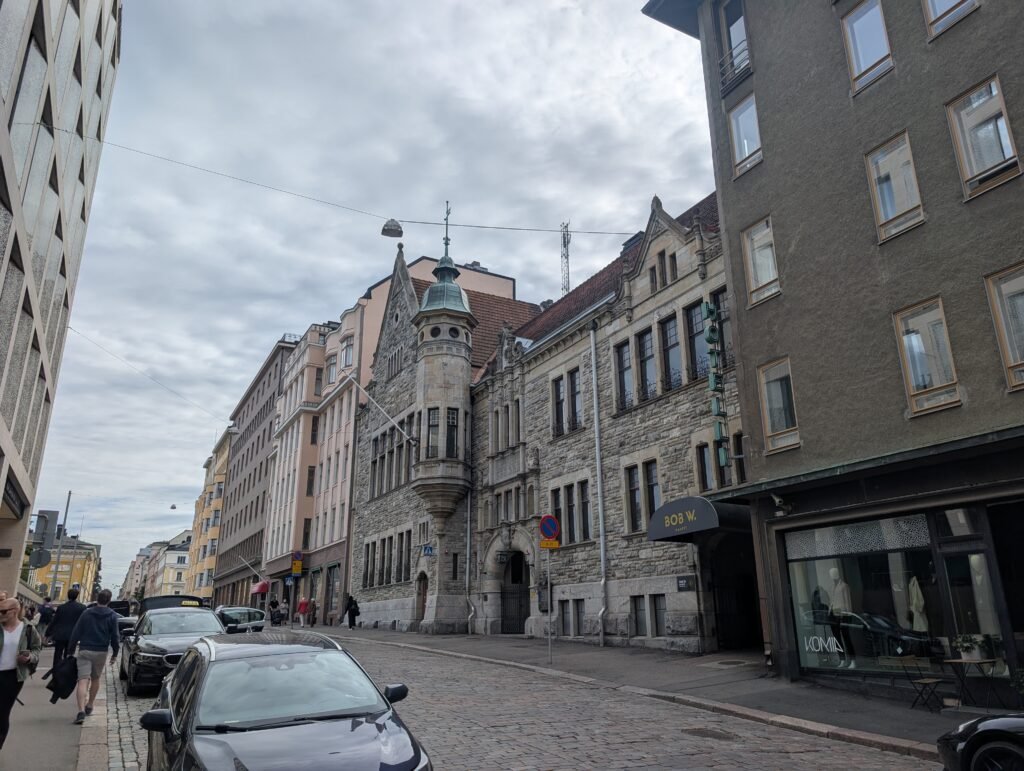
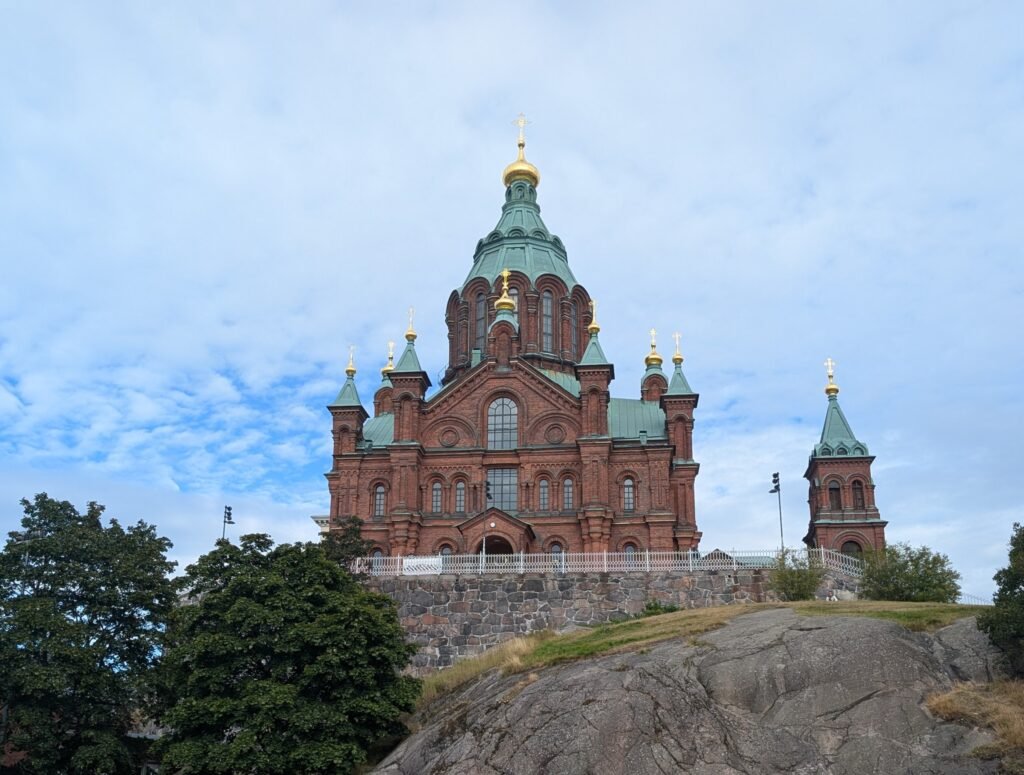
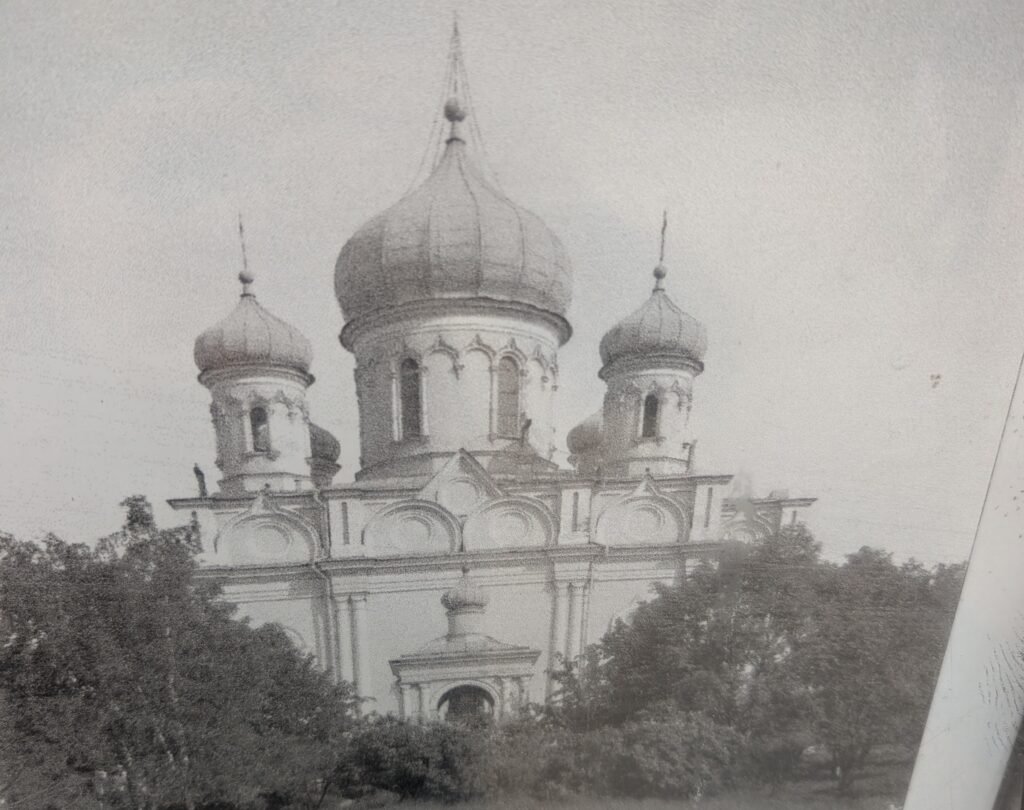
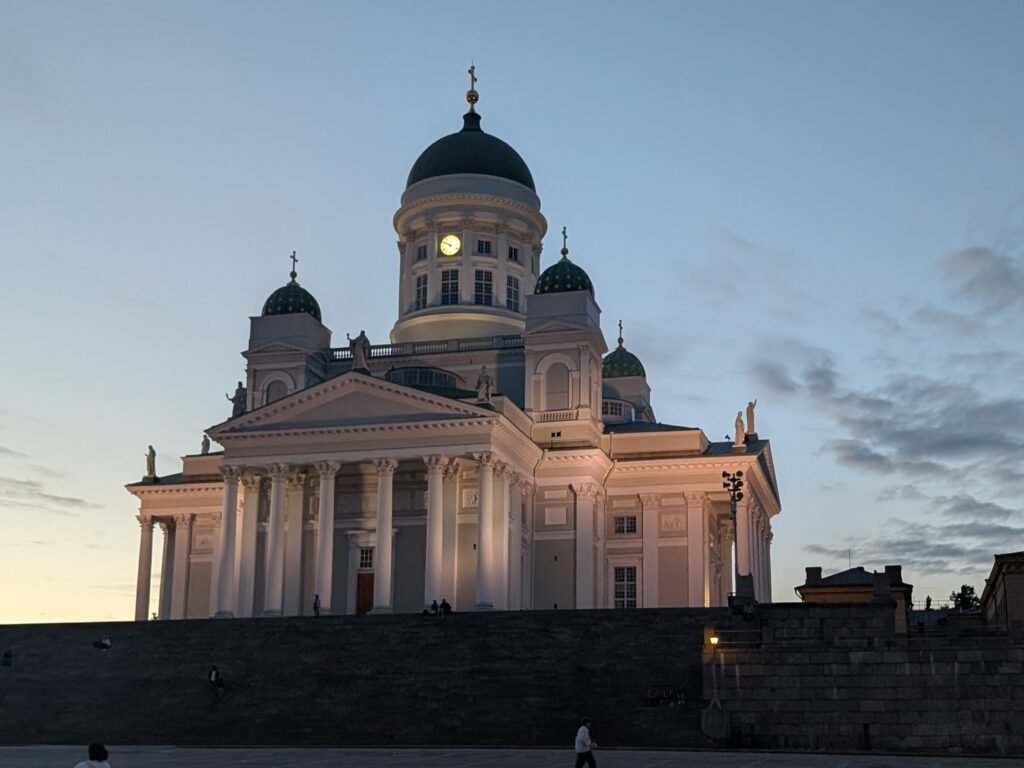
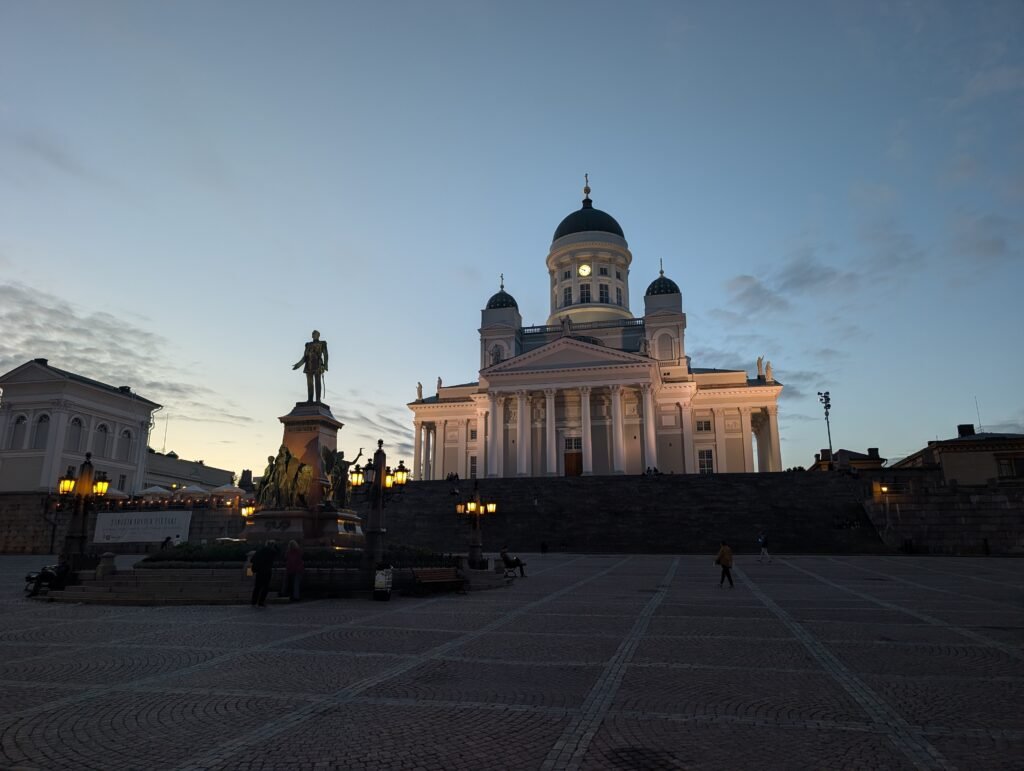
Finland has a slight identity crisis, at least for the rest of us. It is considered a Nordic country, like its Scandinavian neighbors, but it isn’t Scandinavian. Danes, Swedes, and Norwegians can nearly understand one another, whereas Finnish is more closely related to Hungarian and the languages of the Baltic States. Finnish architecture is somewhat similar to that of Sweden and Norway. The Finnish terrain is flatter. Finland was controlled by Sweden from about the 13th century’s Northern Crusades until it was captured by Russia in that country’s war with Sweden in 1808-09. As a result, Finland also has some Russian influences. There are some Orthodox Churches alongside the Lutheran buildings. You can see examples of these in the accompanying photographs. Finnish surnames are unique as well. Finland in general is a unique place.
Finland is a relatively expensive destination. Finns are quite accepting of technology. Finland has one of the lowest birth rates in Europe. As such, they turn work over to automated systems at a more rapid pace than their neighbors. Often you will find yourself using a code or electronic key to check into a room without ever speaking to a staff member. If you can’t figure this out on your own, there likely won’t be a staff member to ask. You’ll likely find some help pretty easily though. Although Finns seem reticent to chat initially, most are friendly and willing to help and nearly everyone speaks English.
I didn’t land in Helsinki until 2pm, but it was light so late that I was still able to do what amounted to about a full day of sightseeing – at least as much as I likely would have had the energy for, anyway. I figured out how to get to my motel in Helsinki via the local trains, despite Google Maps telling me they weren’t running and attempting to send me via the much slower buses and trams. I made it to my hotel in just over half an hour, despite the bad directions. I got a couple of recommendations from the Holiday Inn Helsinki Expo desk clerk as to what I ought to see on one afternoon in Finland. Her suggestions were similar to what I had identified as the local highlights. The main contributions I got from her were food item and location ideas. She also helped advise me on the Helsinki transportation system since I was still getting faulty information from Google Maps.
(Continued)
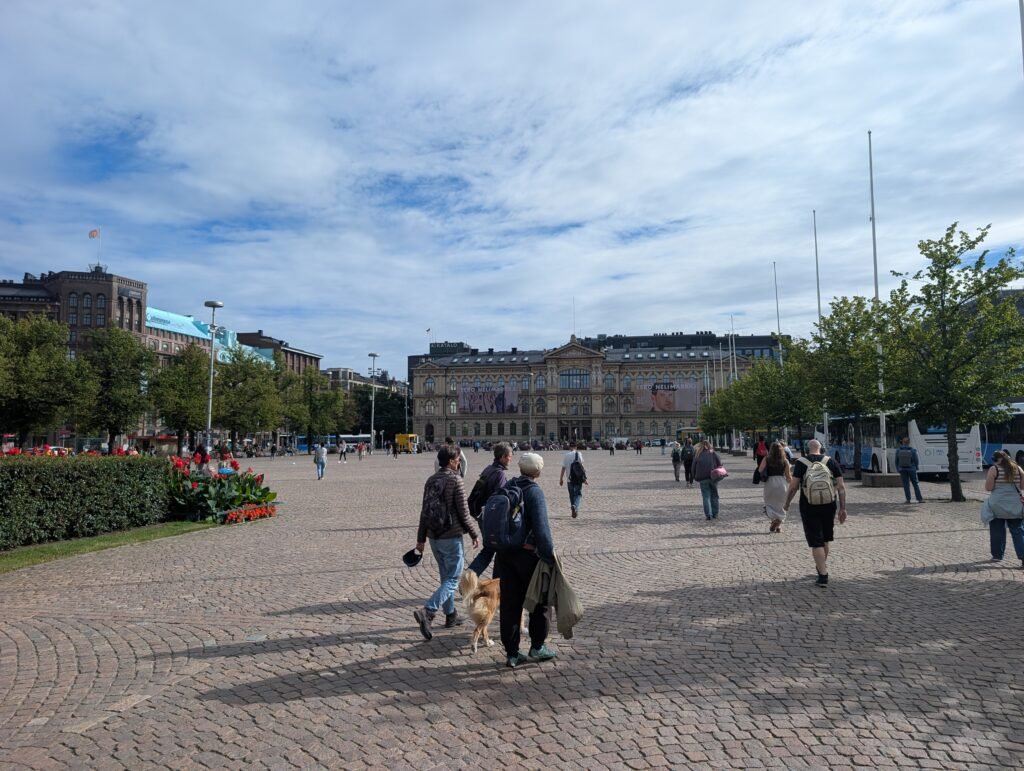
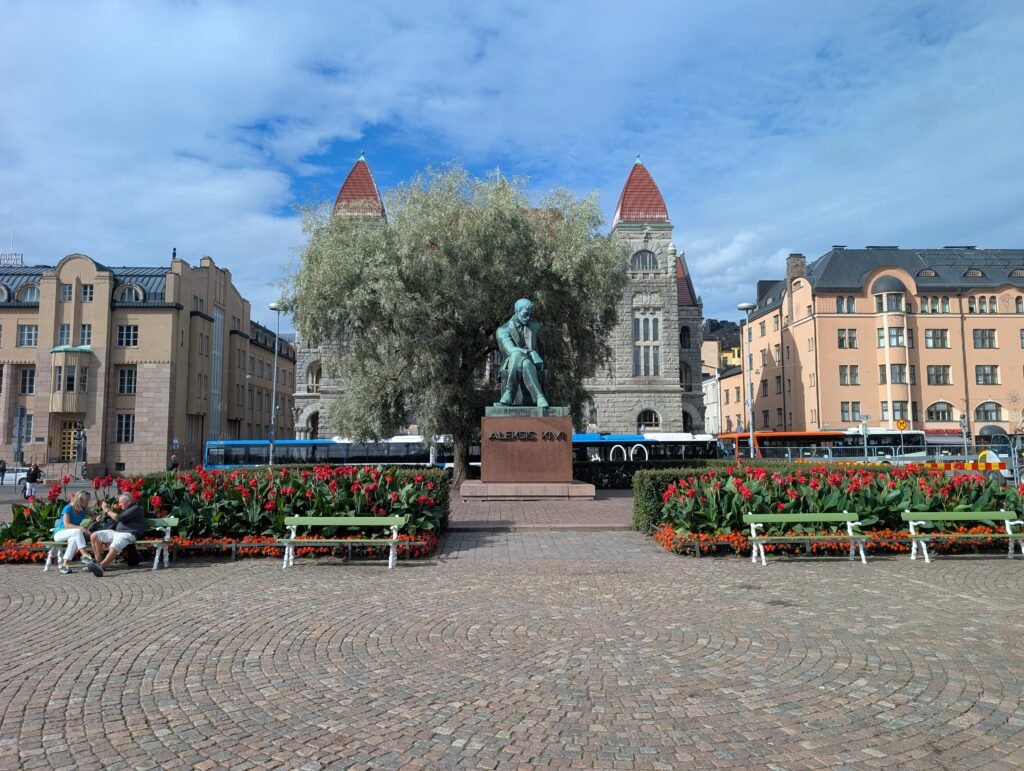
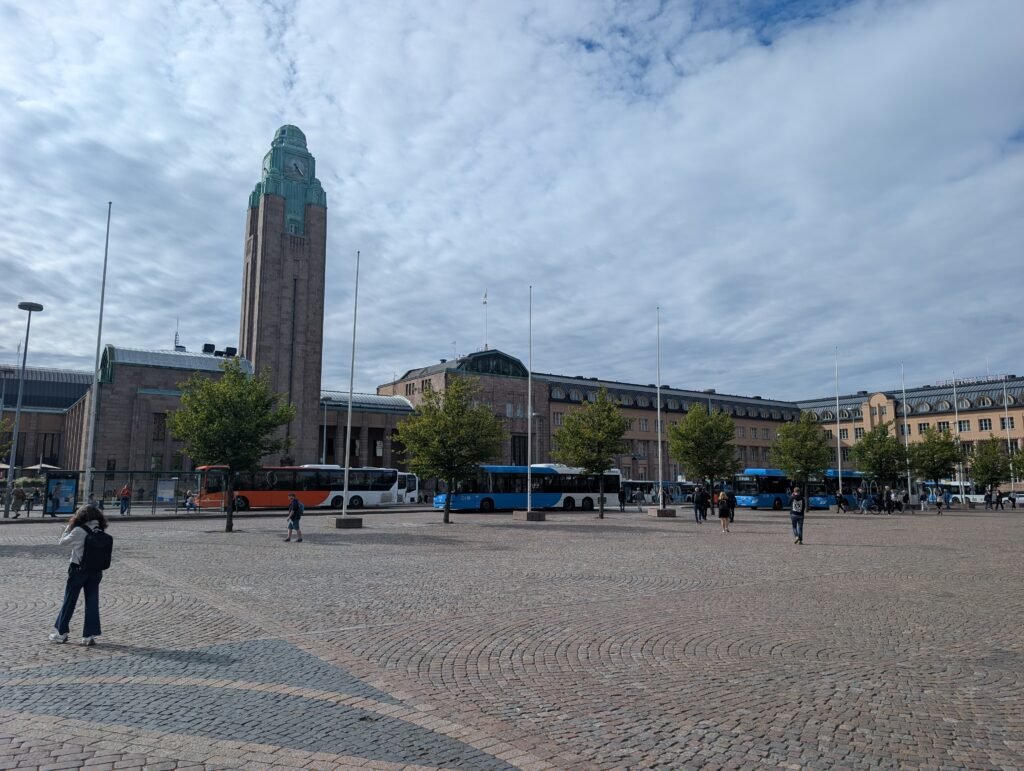
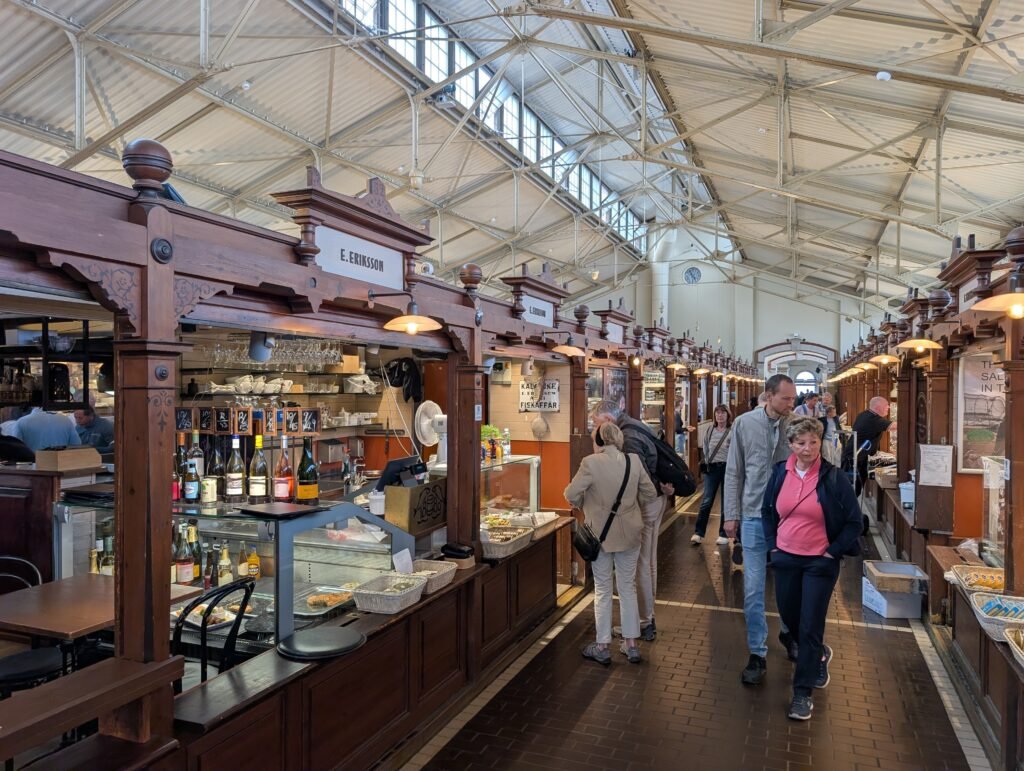
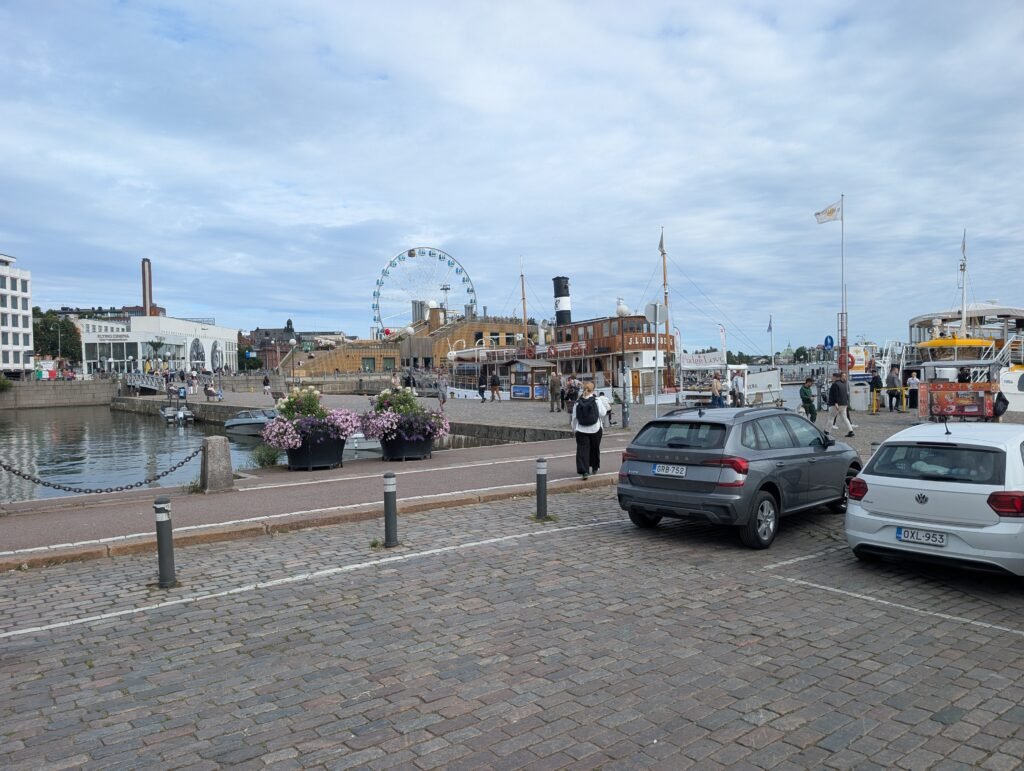
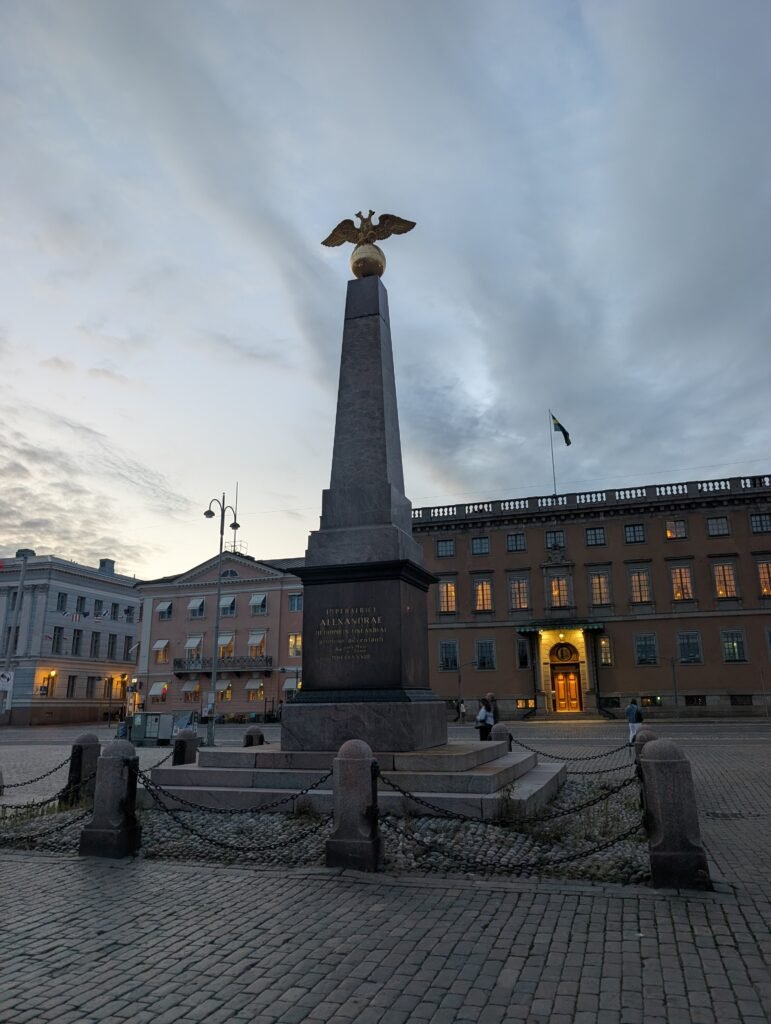
I had purchased a 24 hour pass for all Helsinki public transportation. It cost between €12 and €13, but covered all of my trips, from trains to ferries. I took the train to the central part of the city and walked around for a while. I passed Railway Square with its monuments before walking to the Old Market Hall. This upscale indoor food court sits along the waterfront in a late 19th century building. In it, you can find the creamy salmon soup Finland is famous for, various fish sandwiches, and other items. None of these are particular bargains. I paid €18 for my soup. The atmosphere is nice, though, and the quality of the product is good. The building represents a move toward indoor food markets and improved food safety from the outdoor markets that dominated trade for most of the 19th century and periods before. This was fun, if a bit over what I expected to spend on food.
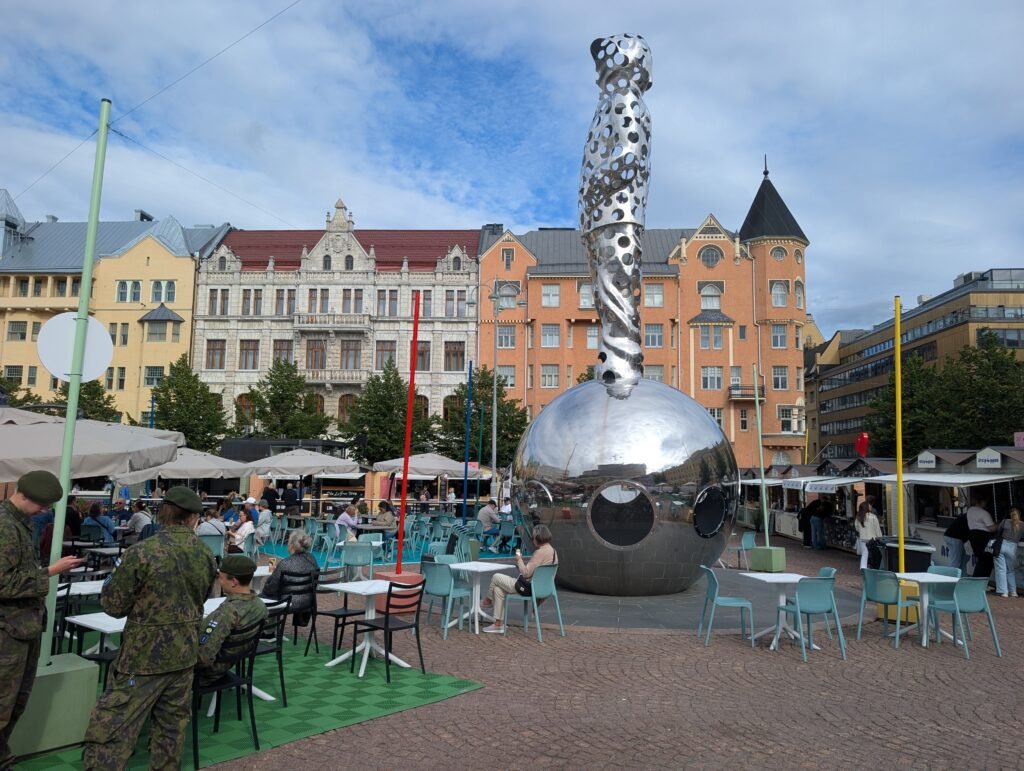
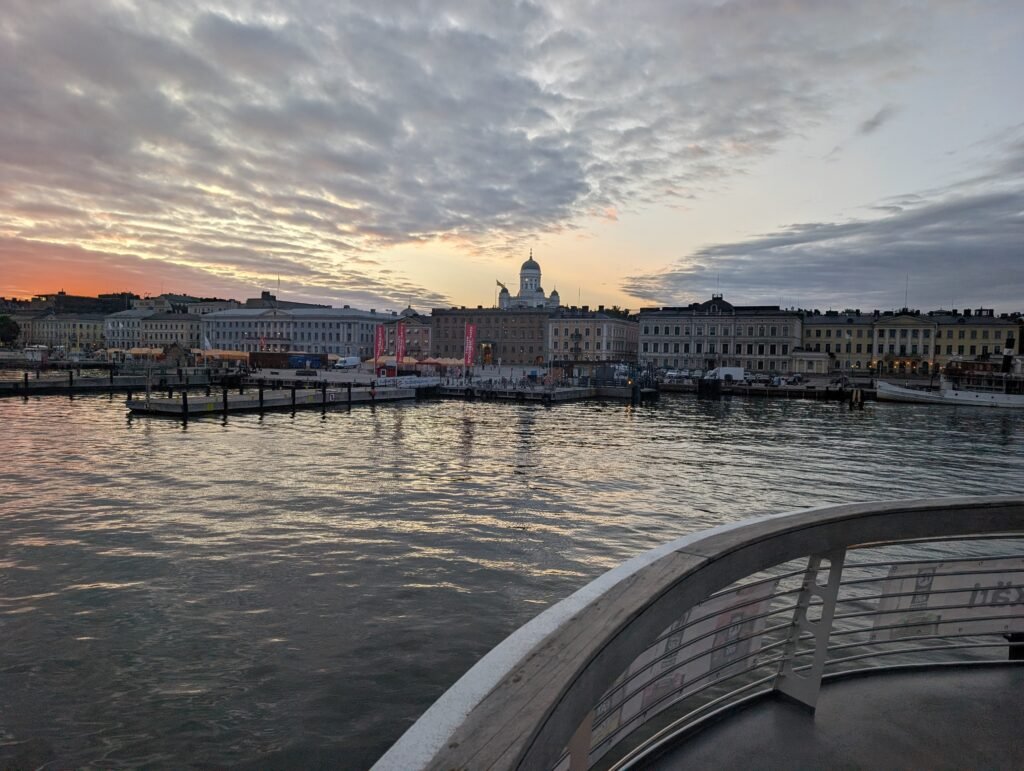
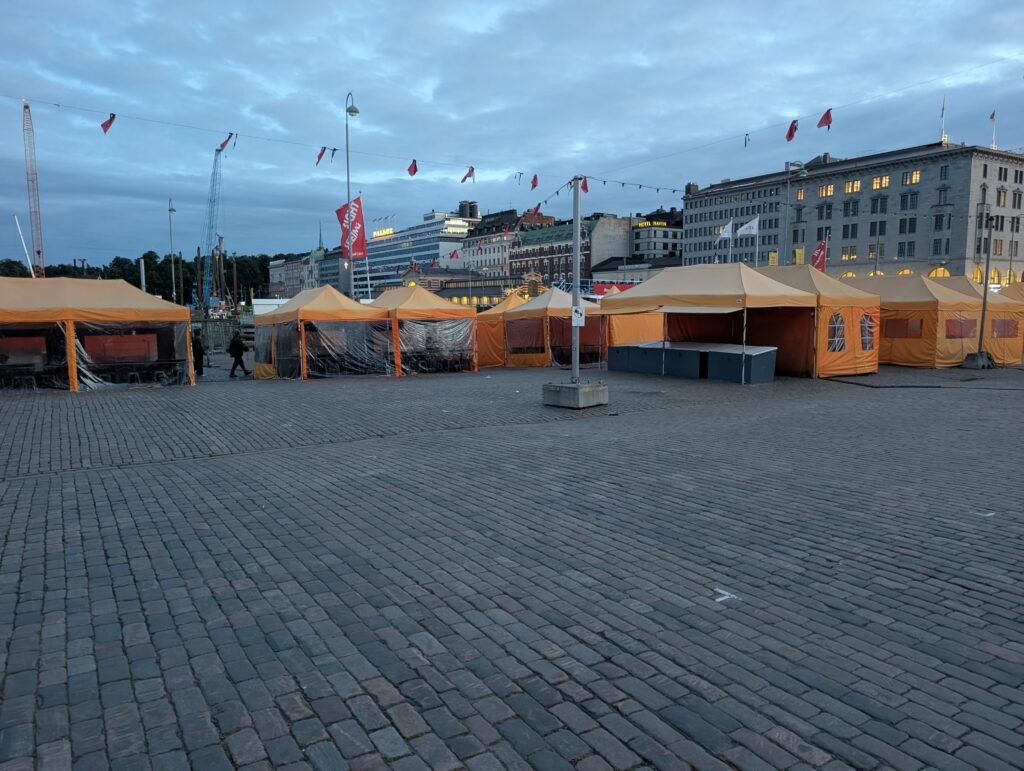
While walking the area, I found the outdoor market square, featuring tents with slightly more affordable typical Finnish foods and novelty dishes. I returned later to sample some other local foods. Before that, however, I found the Uspenski Cathedral. This mid 19th century church was the city’s primary Orthodox worship place. Orthodoxy was more prominent during the period of Russian control of Finland. Today, there are more Lutheran than Orthodox facilities, but both are still present. The nearby Helsinki Cathedral is an even larger Lutheran worship facility. It is far more plain, though still impressive. It sits in the Senate Square in this same central part of Helsinki.
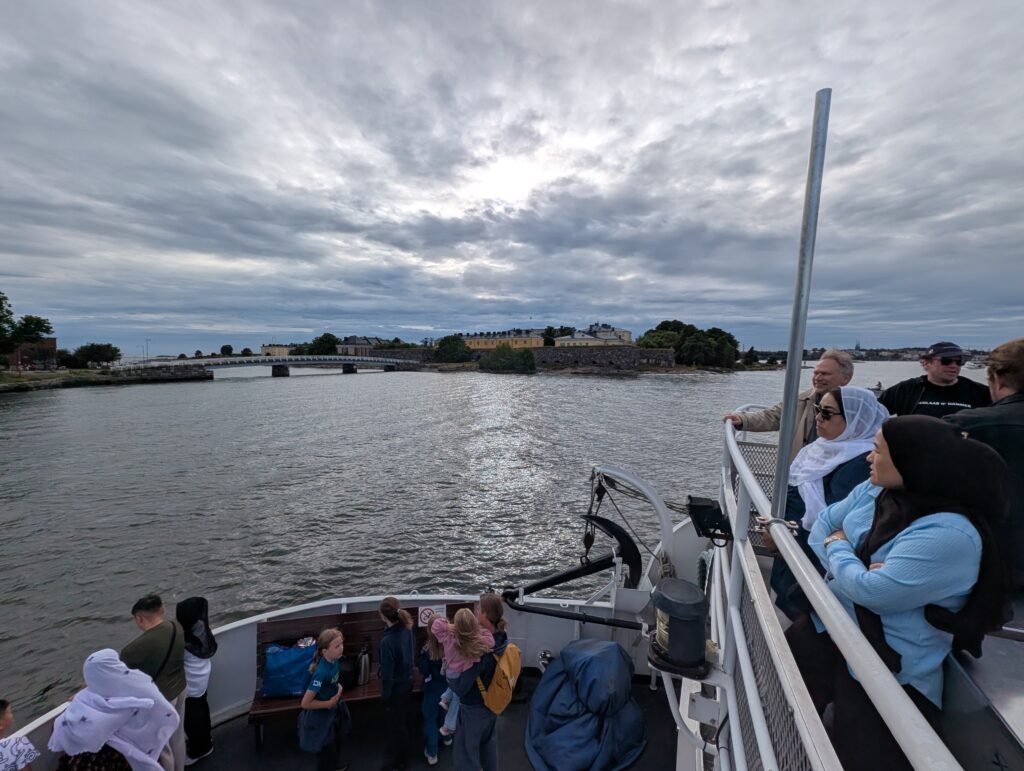
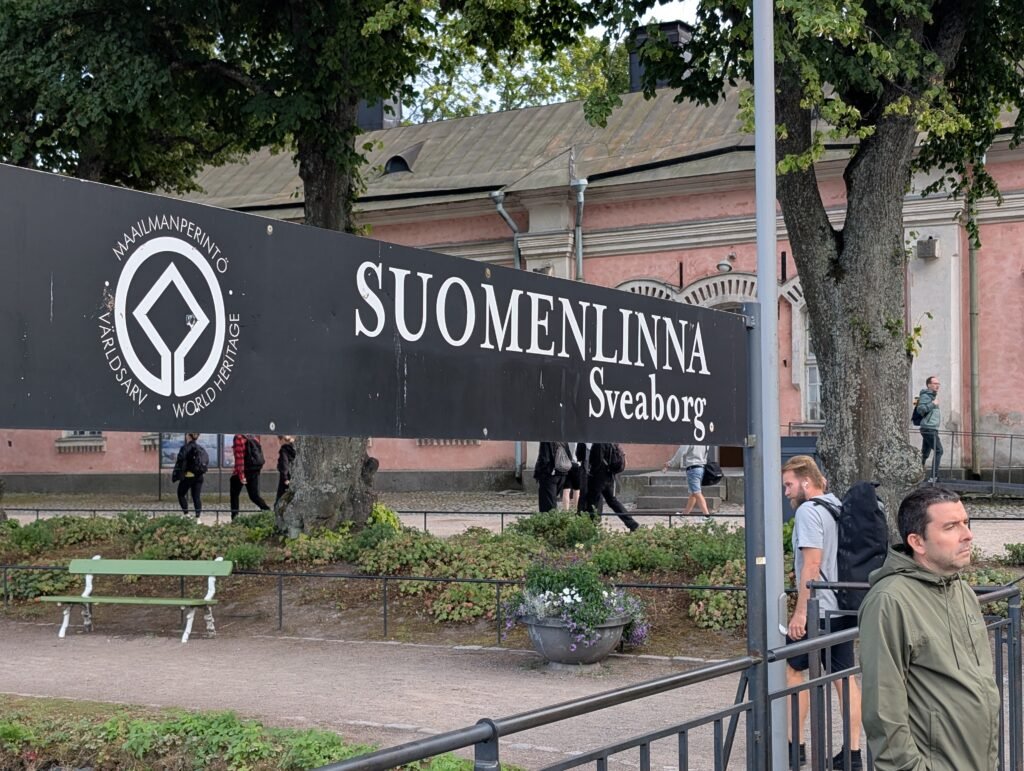
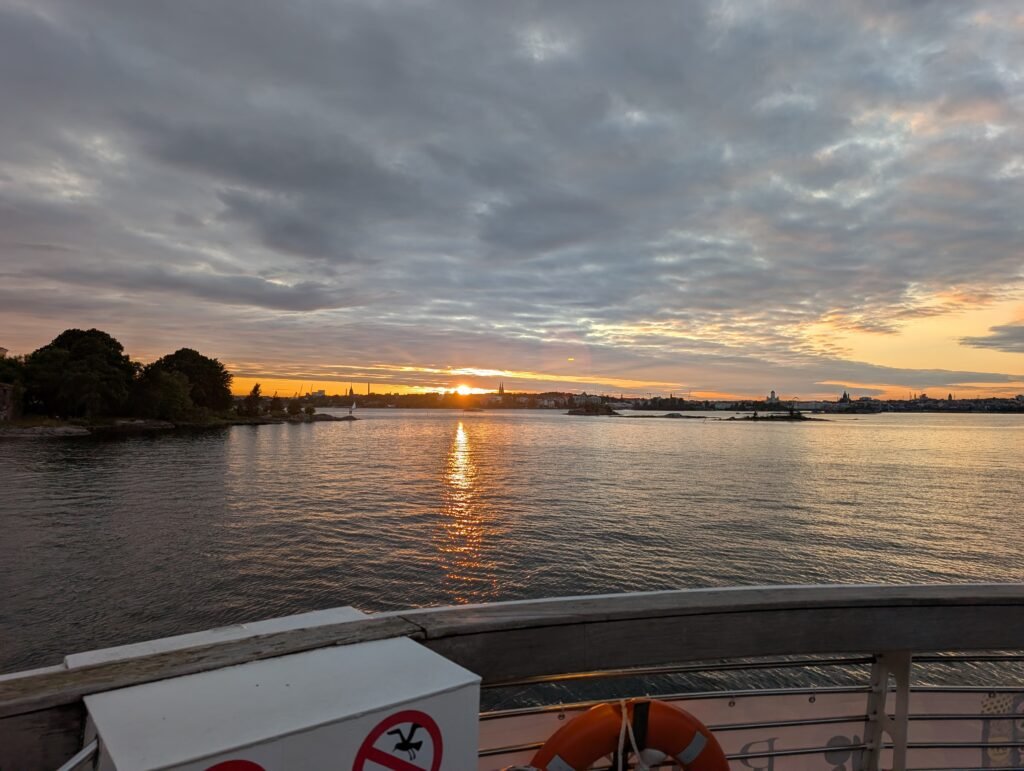
These churches were very near the Helsinki ferry terminal to Suomenlinna. This local ferry departs from Market Square, right in front of the Presidential Palace. This ferry is included in your public transport pass. It takes only 15 minutes to get out to Suomenlinna and runs just about all day and all night, though departures become less frequent in the overnight hours. It was running every 20 minutes in the mid afternoon when I arrived, and continued to do so until I left around 9:00 p.m. The boat ride was slightly chilly on the boat’s upper deck. It was the only time on this summer trip when I broke out my long sleeve tech shirt. I listened in to a local student from Helsinki as she described major sights visible from the boat to her visiting foreign friends.
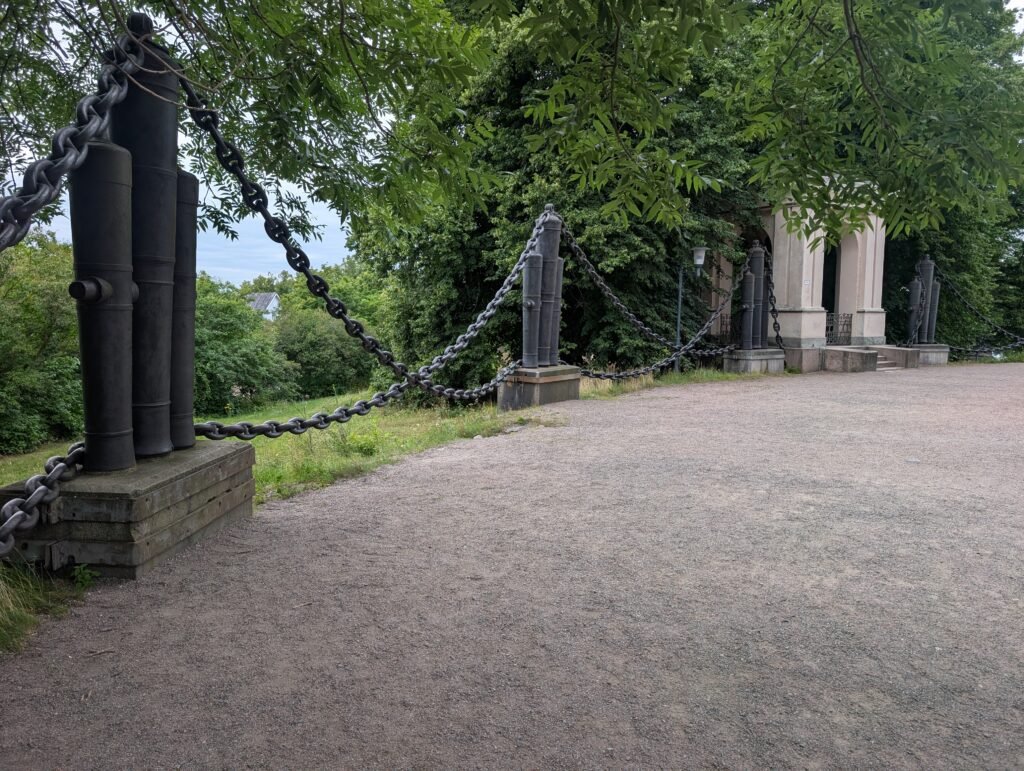
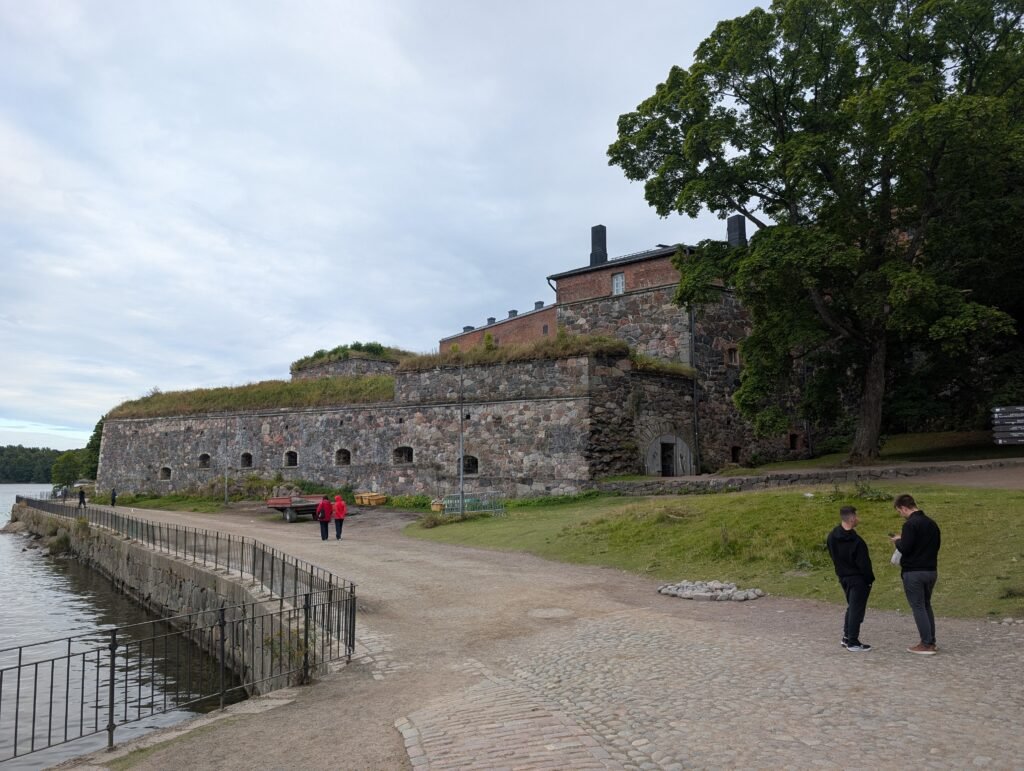
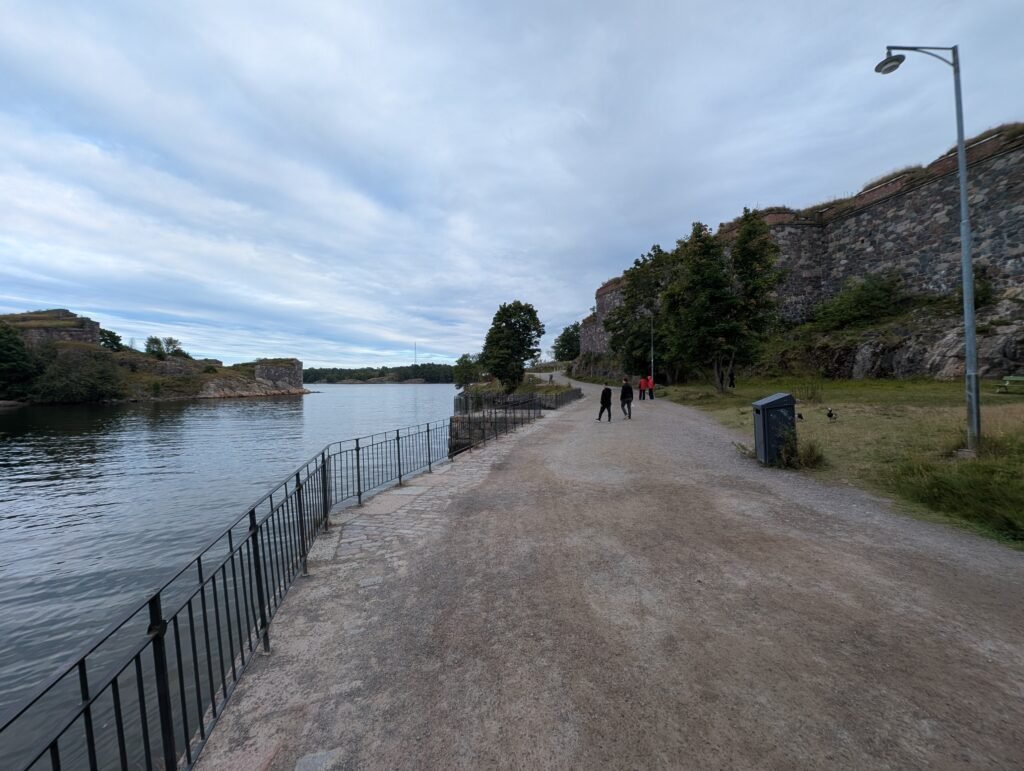
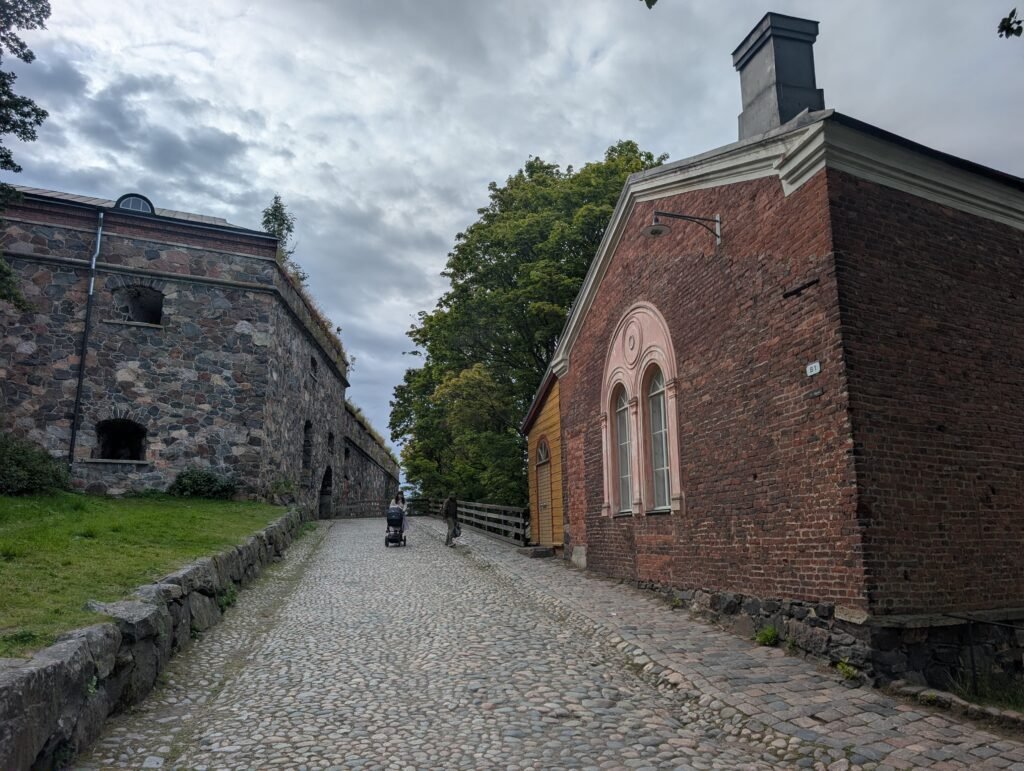
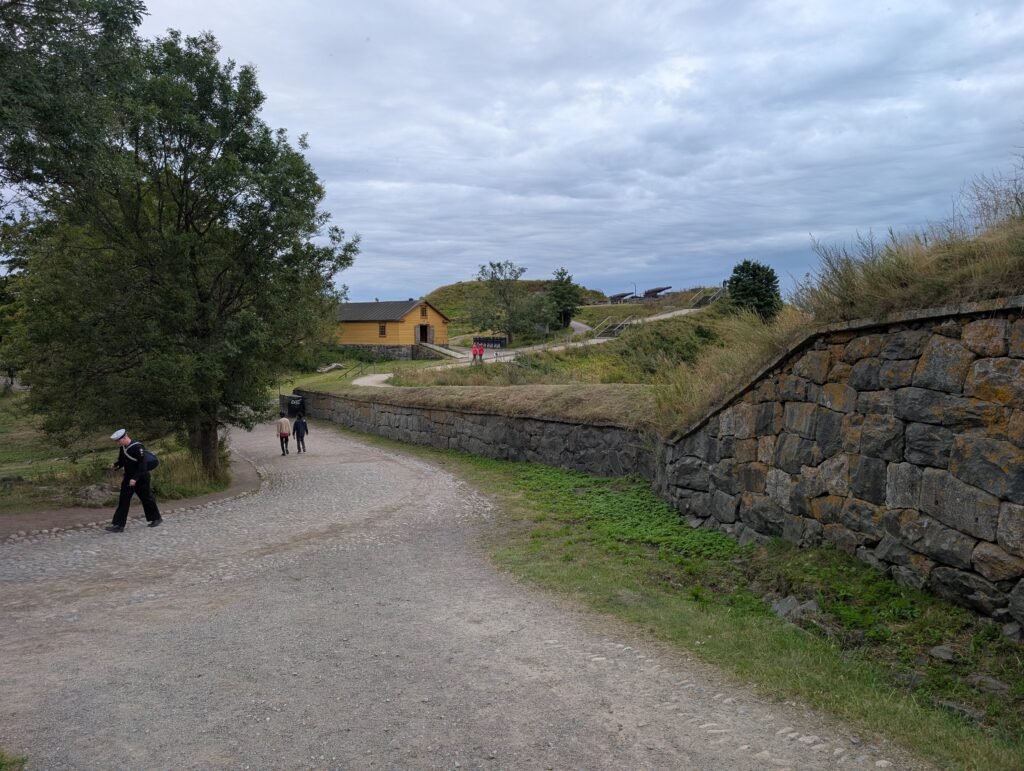
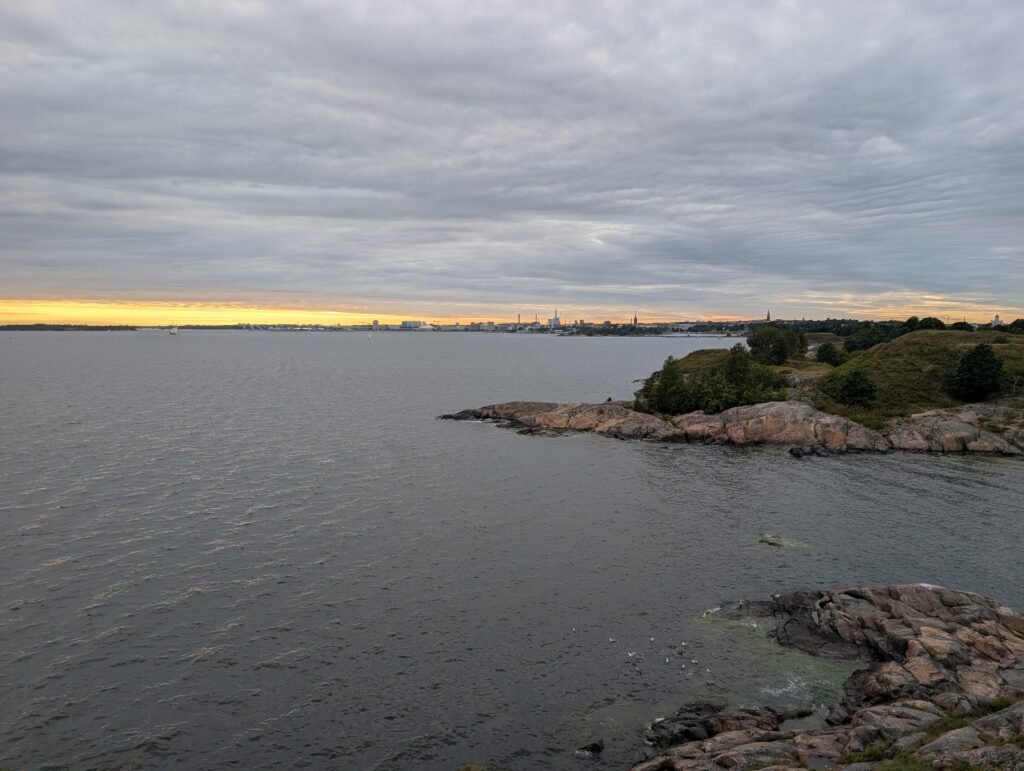
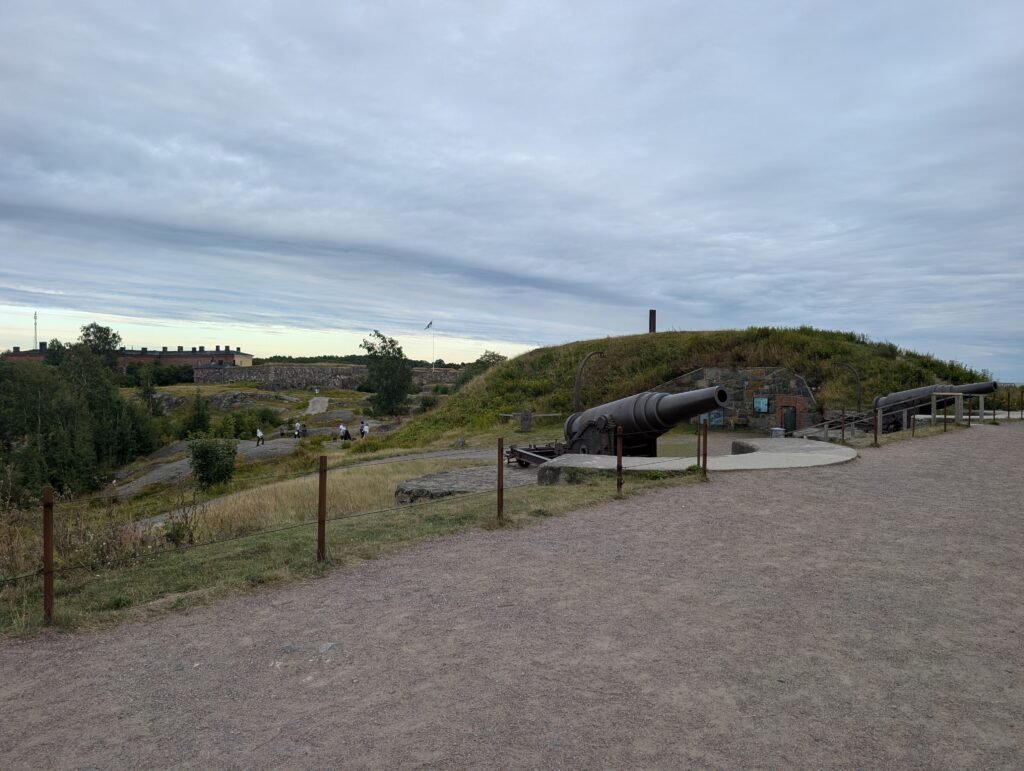
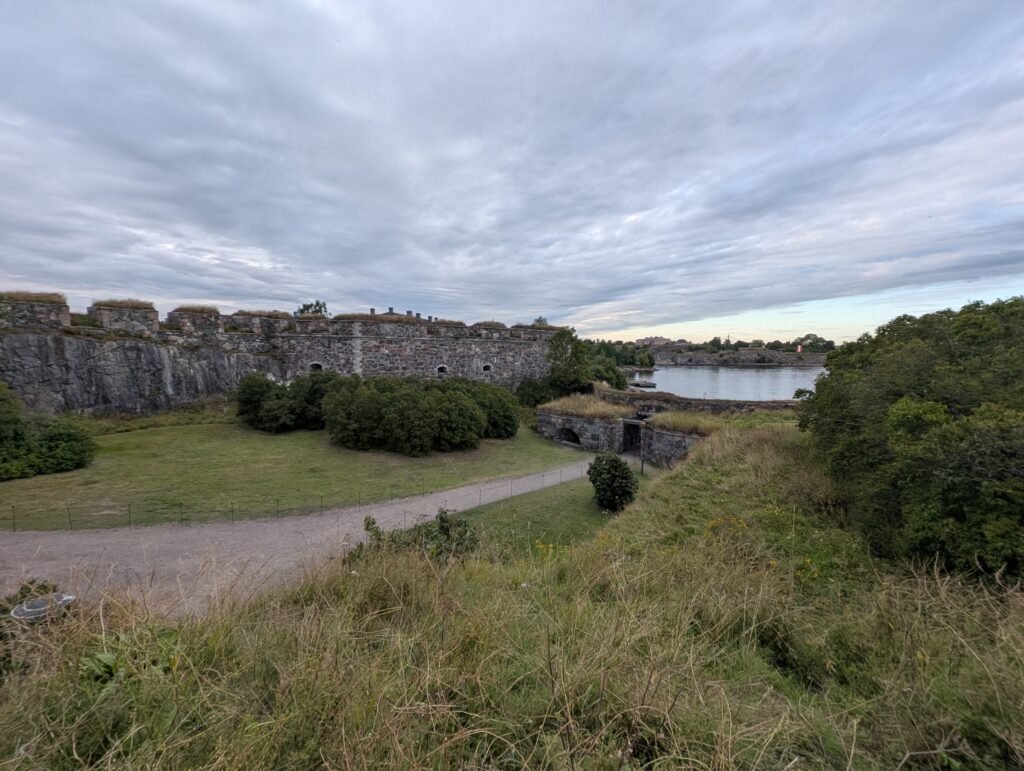
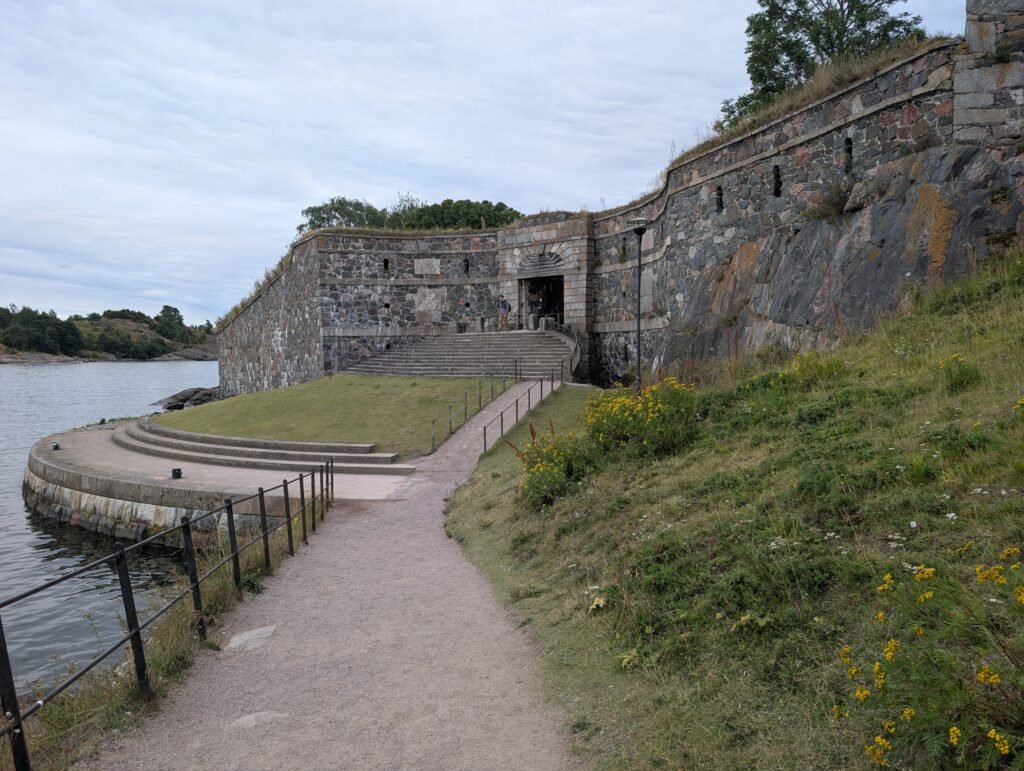
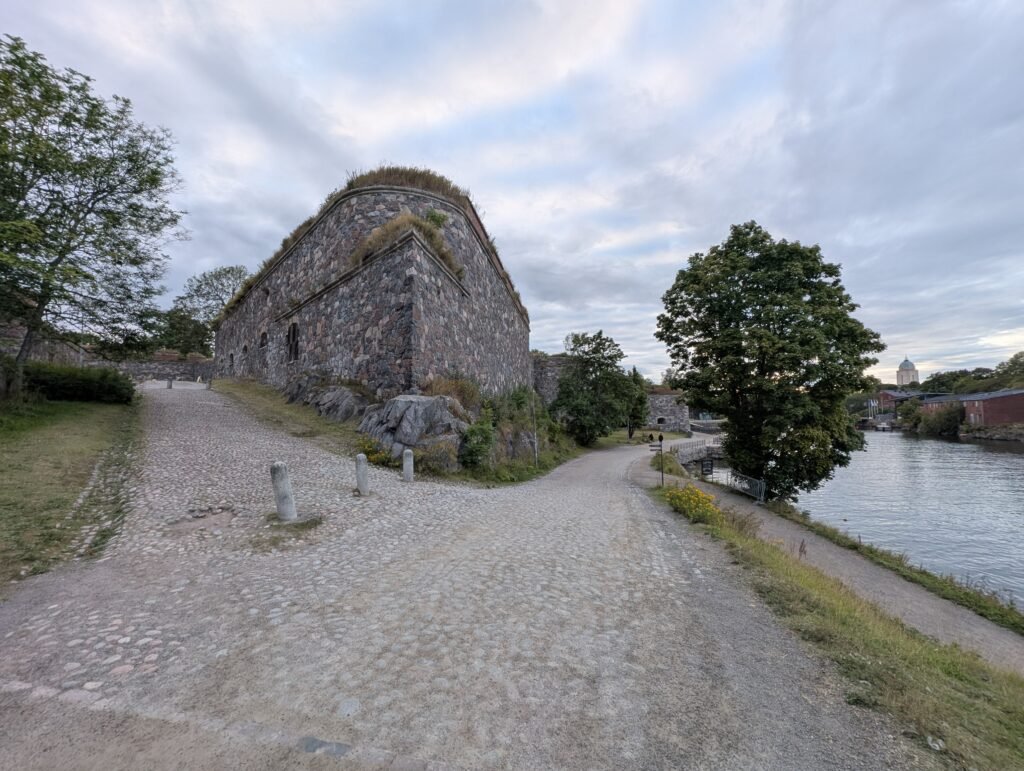
I paid about €5 to download an audio guide for Suomenlinna. Suomenlinna is a sea fort built on an island just off the Finnish coast. The fortress was built by the Swedes before they lost Finland to Russia in the Finnish War of 1808-09. When they constructed the fort in the mid 18th century, the Swedes called it Sveaborg (Swedish Fort). The Finns renamed it Suomenlinna (Finnish Castle) after they declared independence from Russia during the Russian Revolution in 1917.
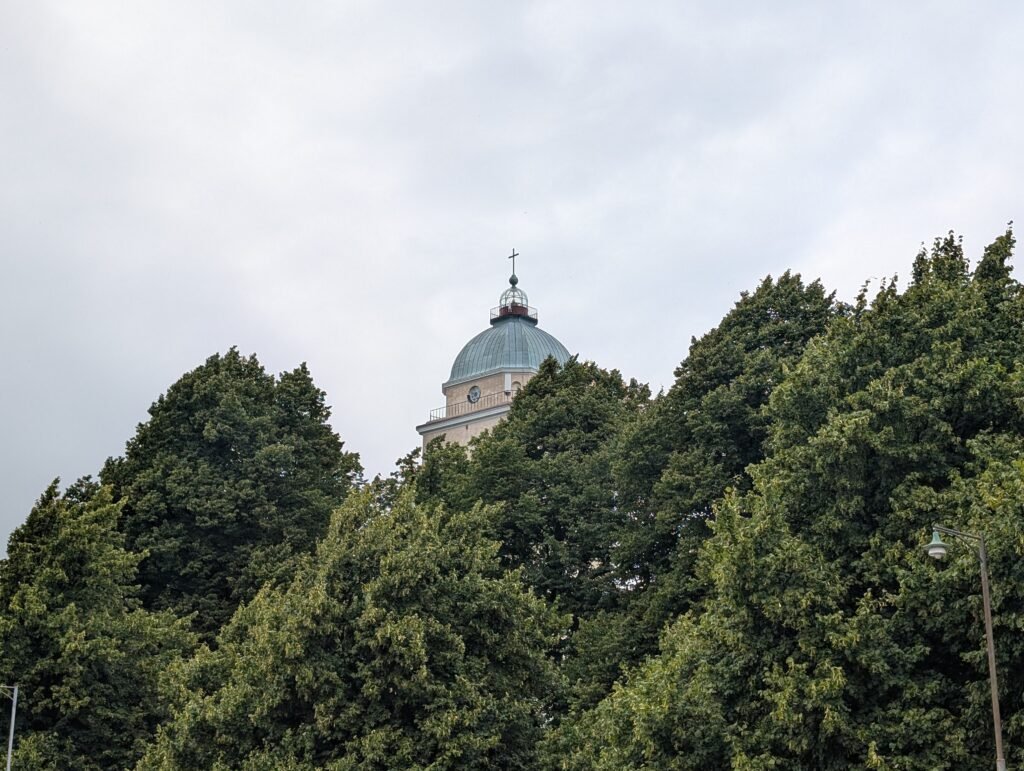
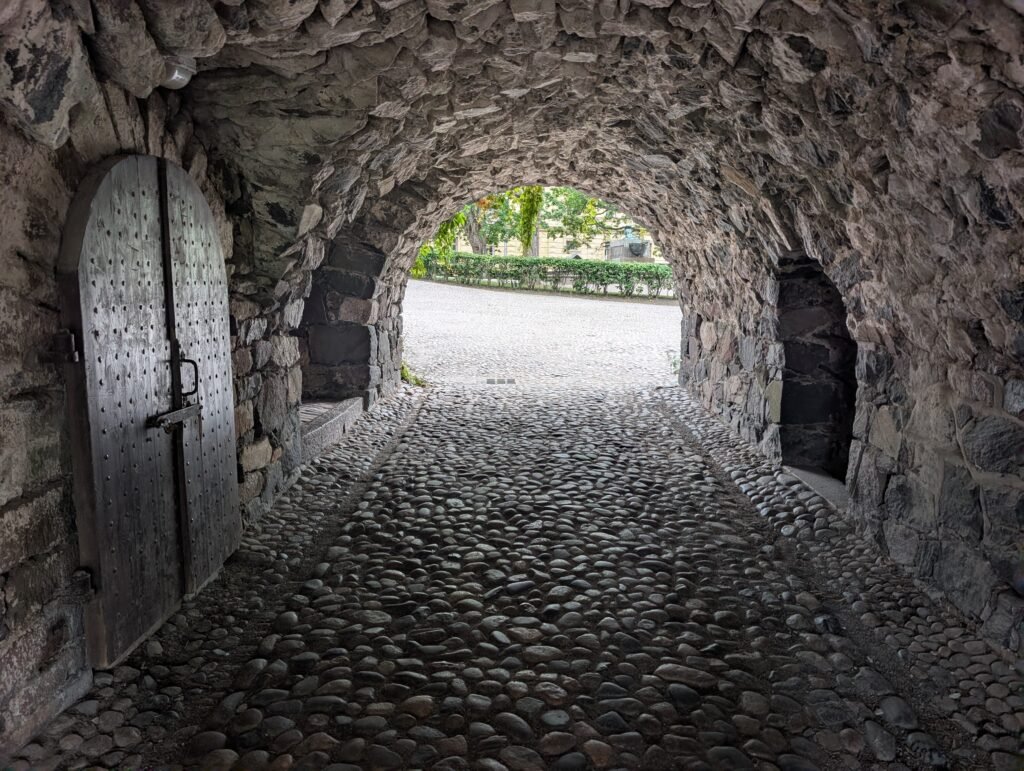
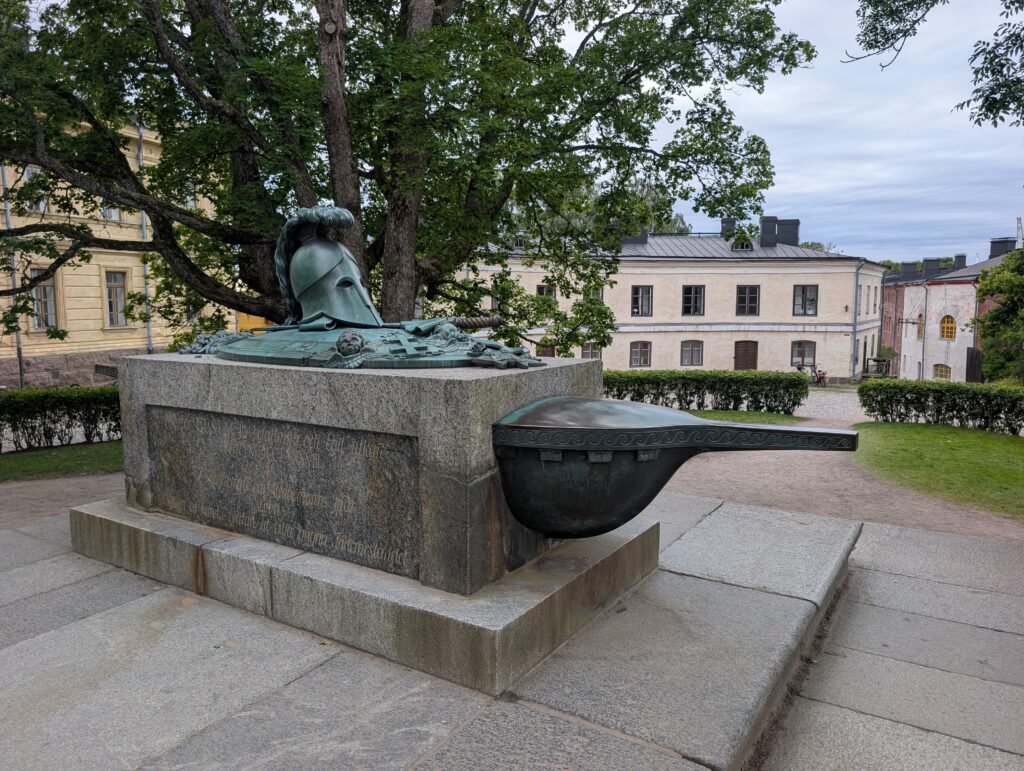
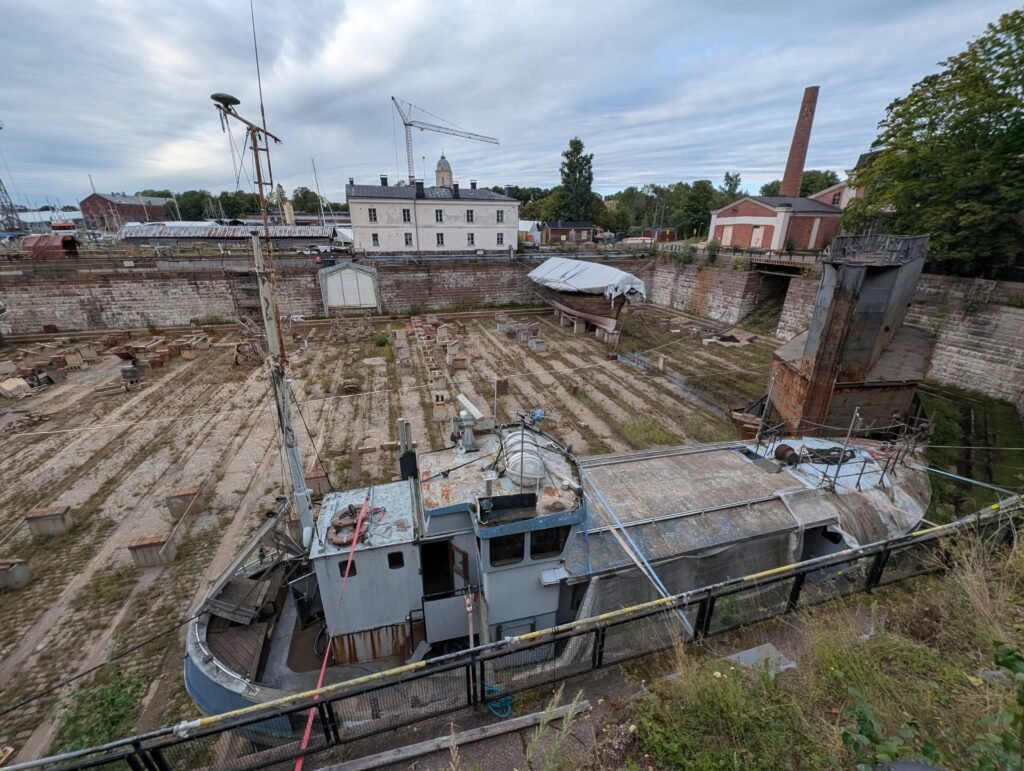
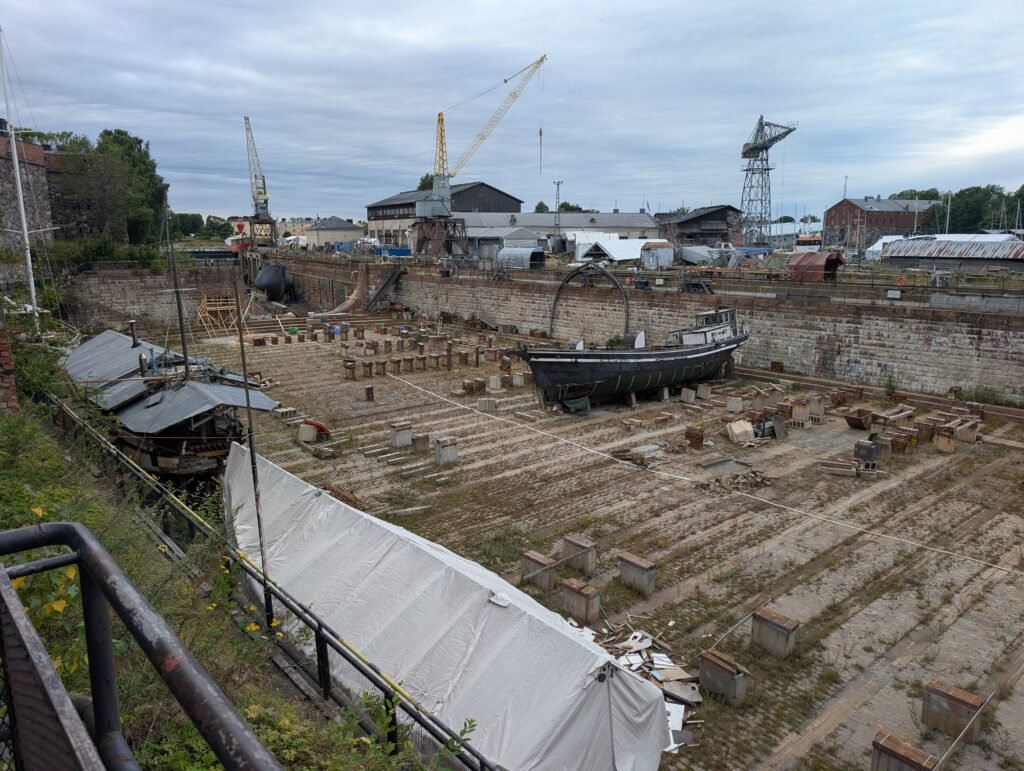
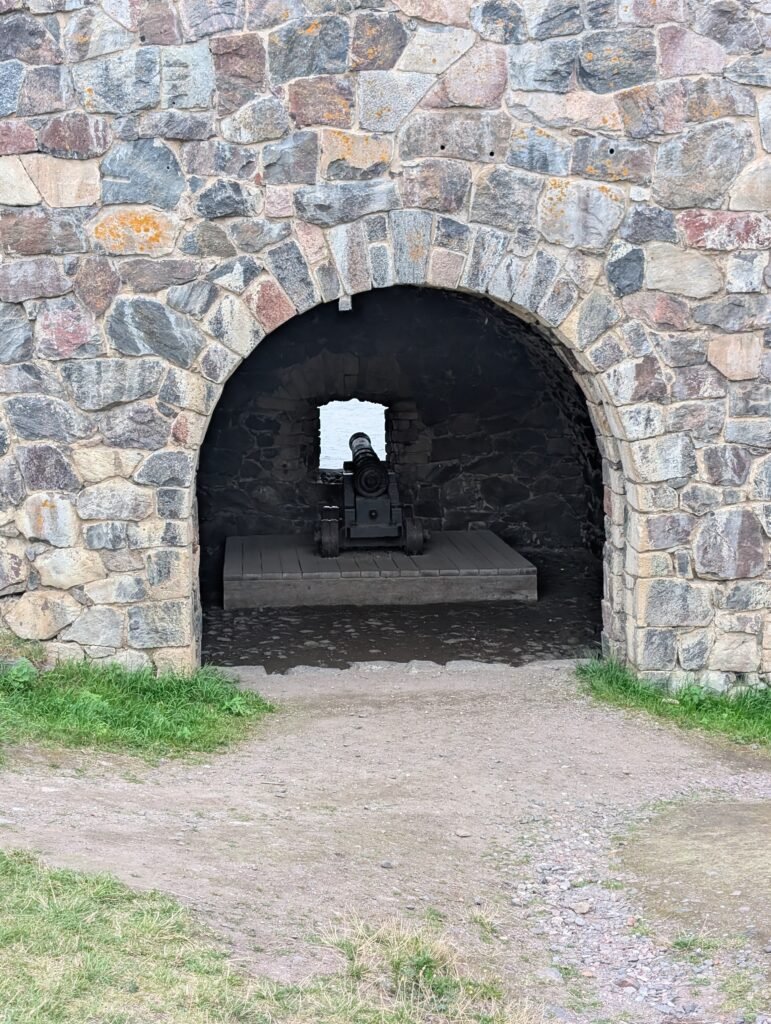
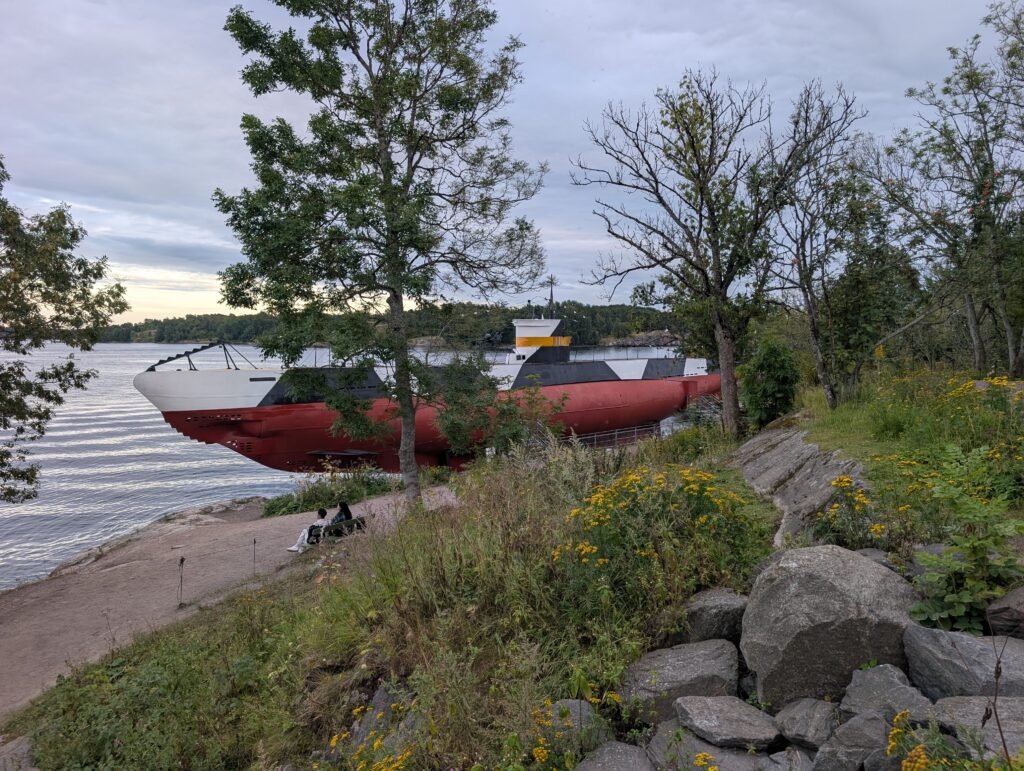
Massive amounts of rock were quarried in the local area to build the walls and gun placements. The area was always meant to be a live-in island fortress. As such, Suomenlinna has a church, a couple of small stores, and residential housing as well as fortified military positions and even a dry dock specially made to repair the old high maintenance ships from the age of wood and sail. To this day, the Suomenlinna dry docks are used to repair and maintain the remaining fleet of wood ships that ply the area for touristic or nostalgic reasons. There are a couple of war memorials in Suomenlinna and a tomb of Augustin Ehrensvard, the designer of the fortress. I also ran across a World War II era submarine museum ship that wasn’t open when I was there.
Finland was a participant in World War II, but on the Axis side! In a classic case of “the enemy of my enemy is my friend,” Finland sided with the Nazis against the Soviets. The Soviets were Finland’s nearest and most threatening enemies. In 1939, the Soviet Union attacked Finland. In what became known as the Winter War, the Finns retained their sovereignty and independence, but lost 10% of their territory in a difficult peace treaty. When Germany attacked the Soviets in the summer of 1941, Finland joined the effort in hopes of regaining their lost cities and homes.
The Finns never embraced Nazi ideology, and often refused to assist in German attacks on the Soviets later in the war. This angered the Germans, of course. Finnish officials insisted they were never in an alliance with Germany. By 1944, it was apparent Germany was going to lose the war. The Finns made their own separate peace with the Soviets, in which they pledged to oust all German officials and military units. They didn’t do this fast enough for the Soviets’ liking, and thus fought another set of skirmishes with the Russians. The Finnish submarine Vesikko is only known to have sunk one vessel, the Soviet merchant ship Vyborg. This ship was torpedoed during what the Finns call the Continuation War – the time when the Finns reengaged with the Soviets in collaboration with the Nazis between 1941-1944.
(Continued)

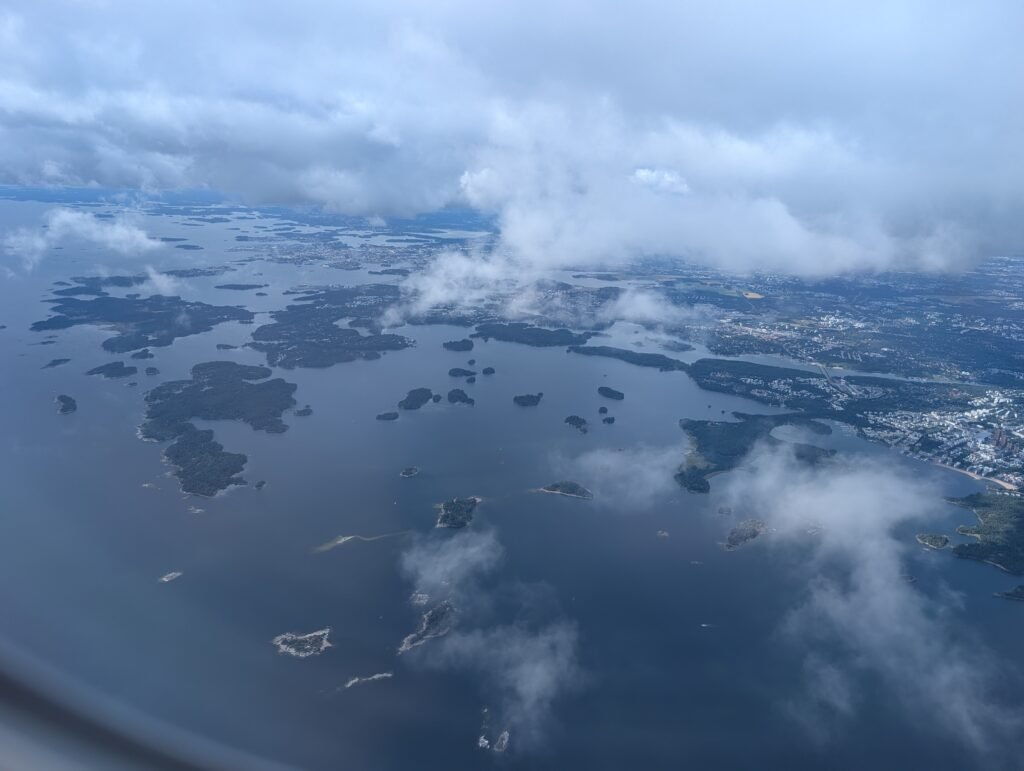
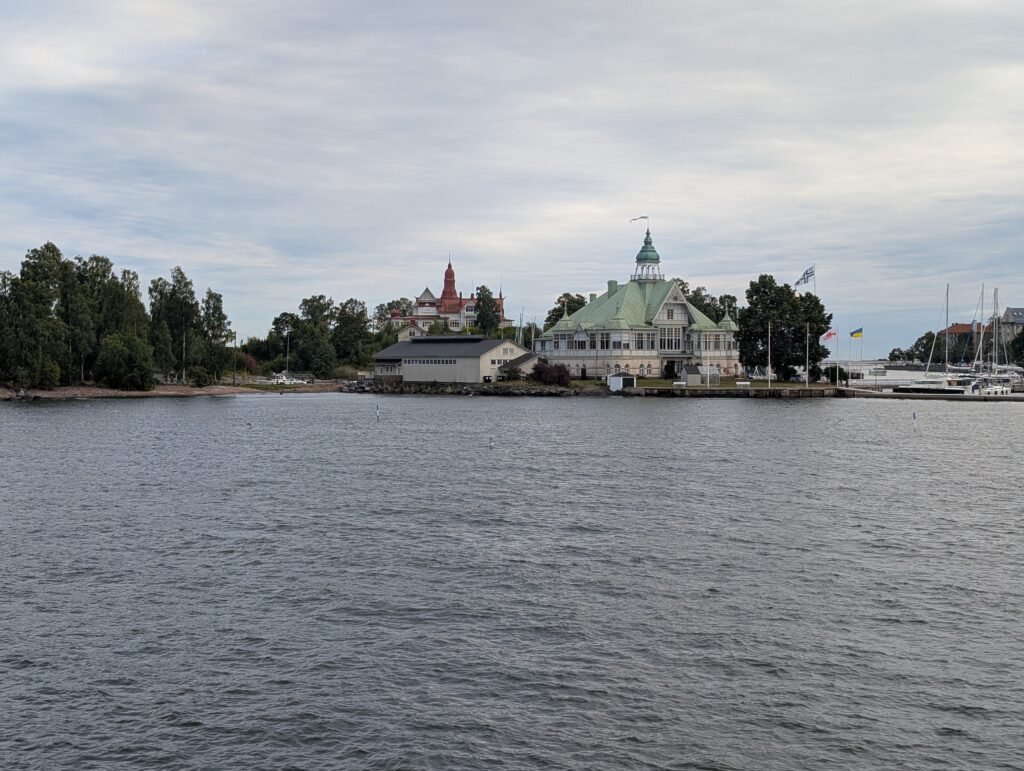
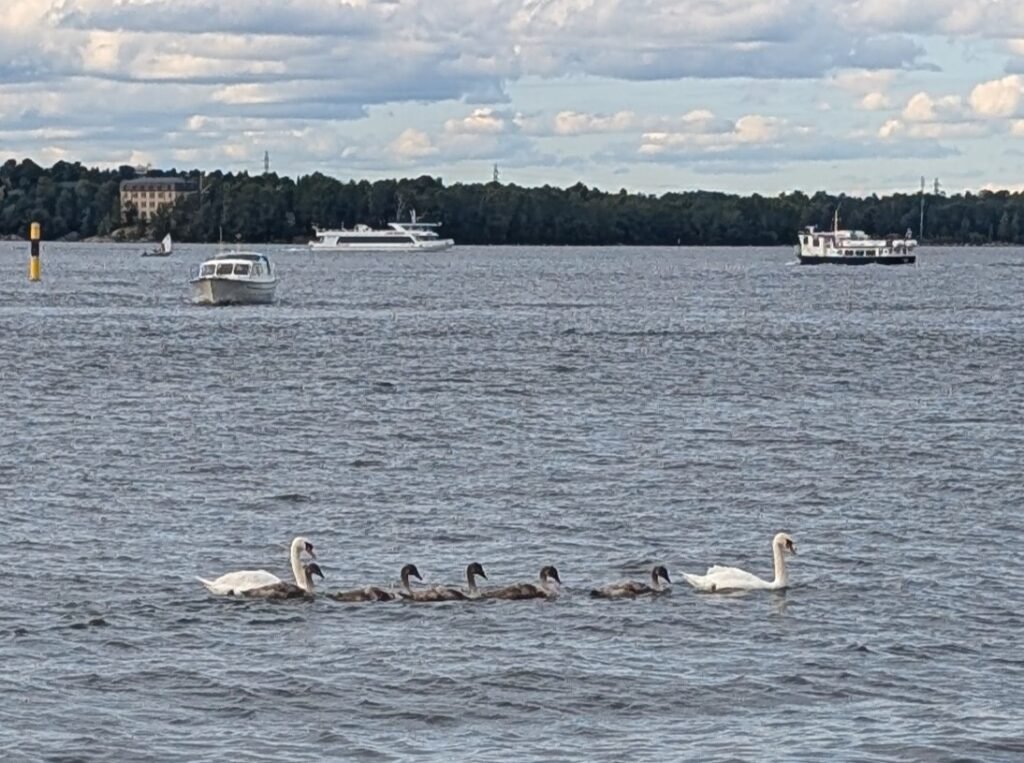
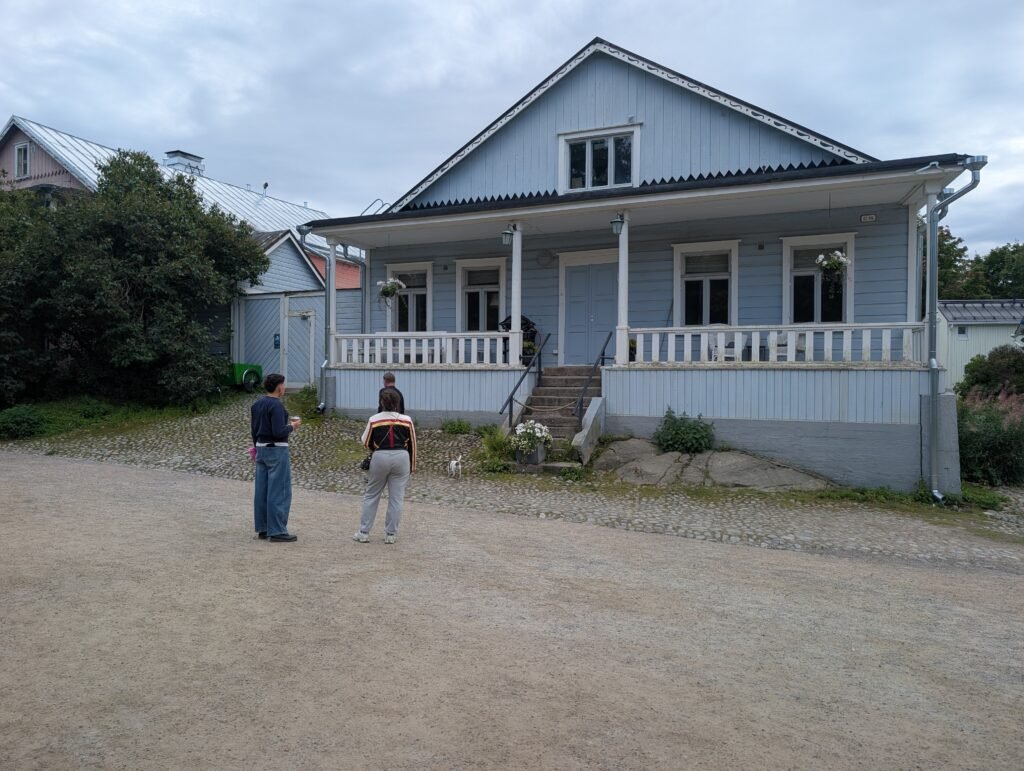
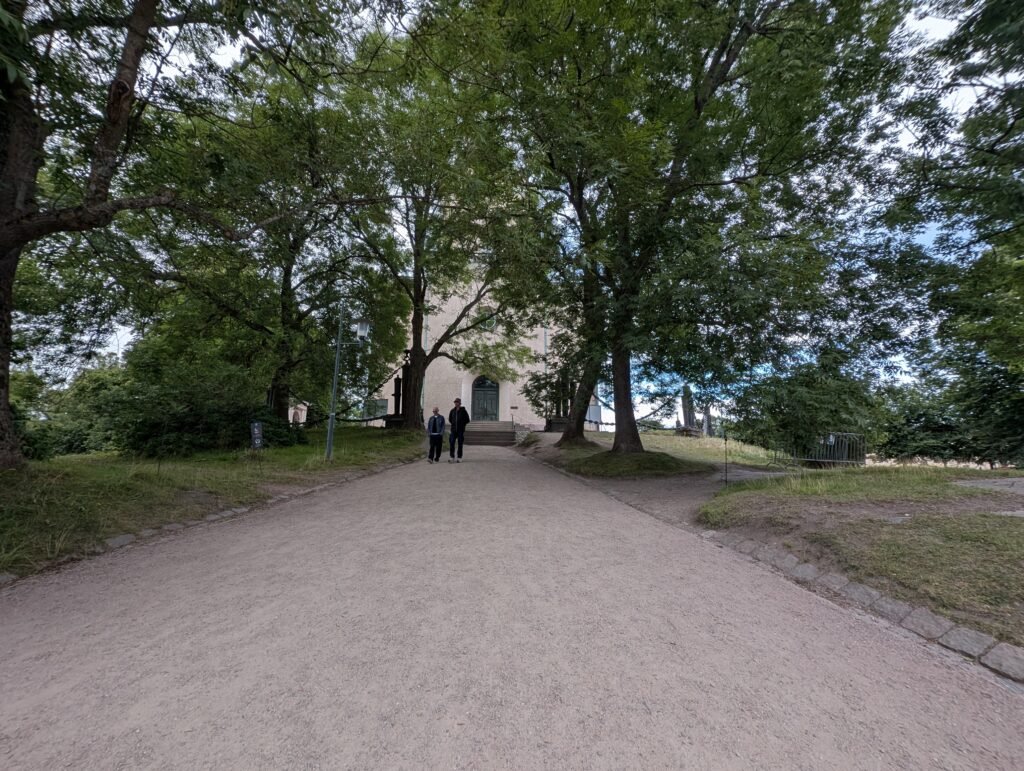
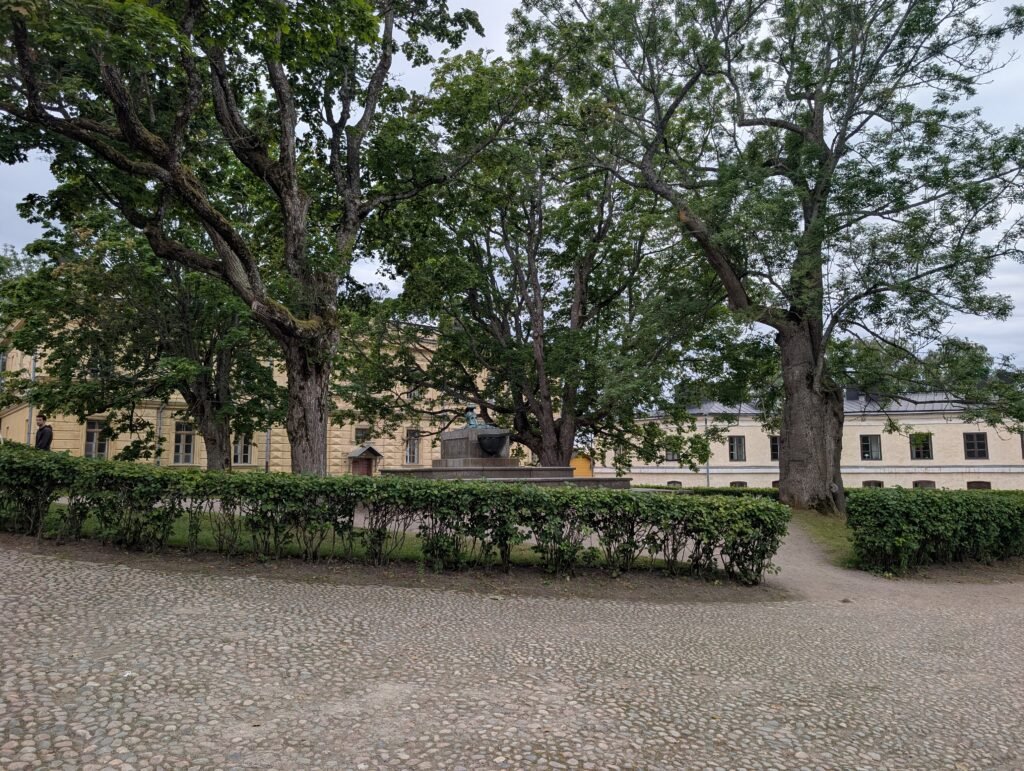
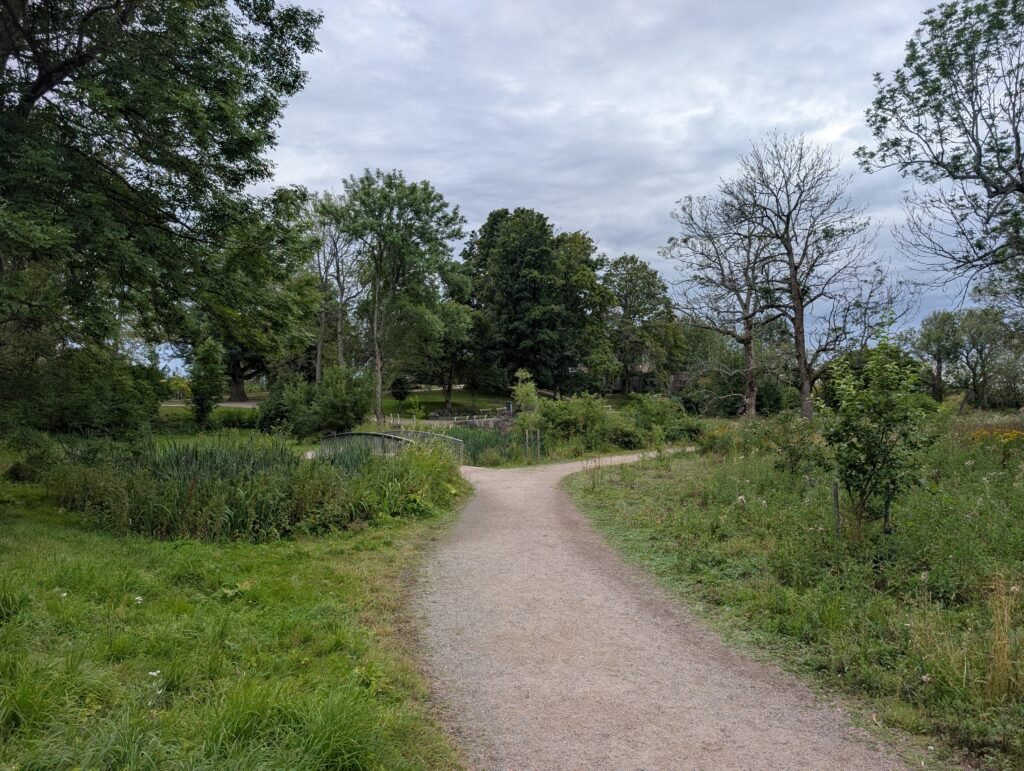
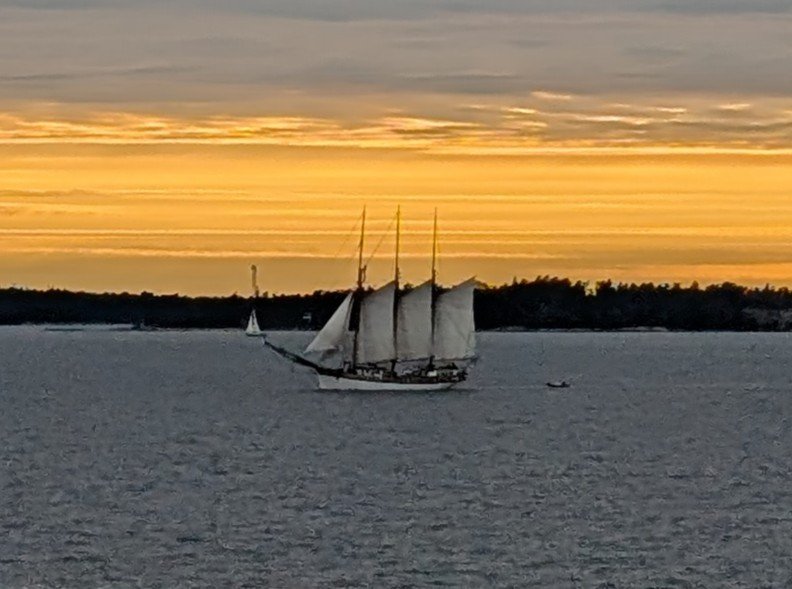
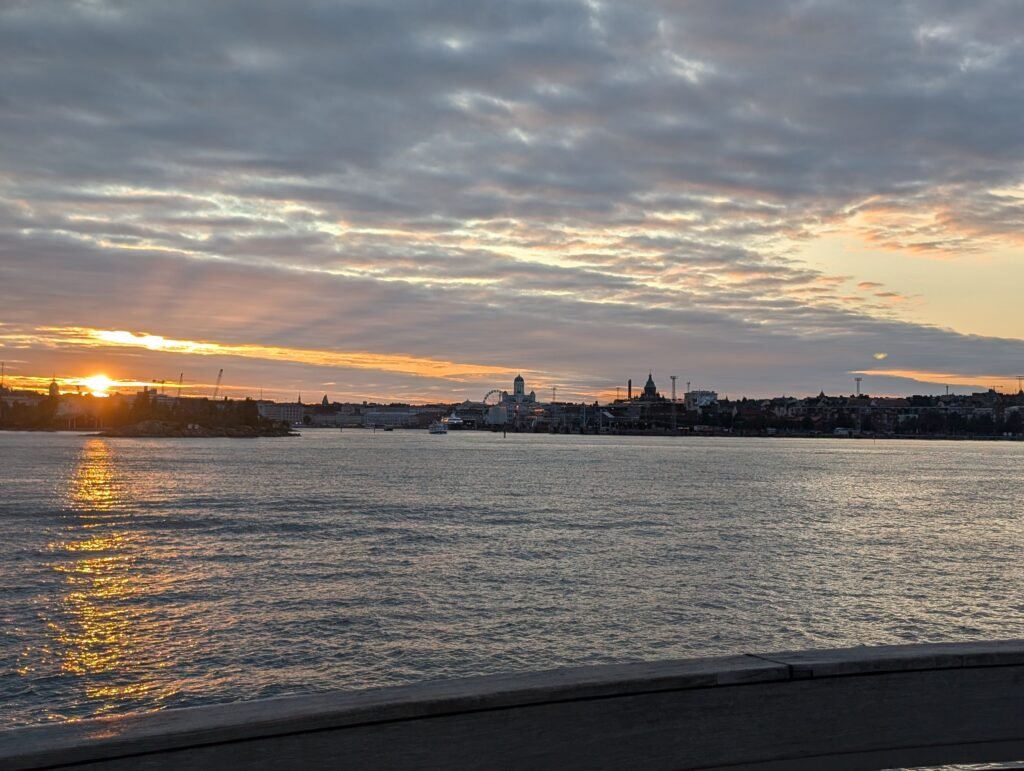
The church at Suomenlinna has been redesigned as the principal users went from being Lutheran, to Orthodox, and then Lutheran again. A few hundred people still reside on the island, but most of the residences are there for museum purposes, as are the shops. There are several places to eat that were repurposed older buildings. All of this is quite picturesque. There are walking gardens among the houses, schools, and library. It’s a very nice place to take a walk. That was what I did, as I listened to the explanations from my audio guide. I saw different ships sailing the harbor and enjoyed the views back toward the Helsinki coastline, as well as toward the other islands in the Finnish archipelago.
Once I had seen all I had the energy for, I strolled back to the ferry and made my way to the food tents in Market Square. Most of them were closed, but one fellow offered to make me a C10 plate which turned out to be a massive sampler comprised of everything he hadn’t sold that day. I didn’t know quite what to do with the vendace (muikku in Finnish). Apparently, you are supposed to eat these tiny freshwater fish whole. They are served fried. I was trying to pick the meat of the sides of the fish. The bones were small enough not to be troublesome if you just crunch them up. That is what you’re supposed to do. My plate also contained reindeer sausage, some other small cuts of meat, potatoes, onions, and Karelian rice pastries. It was all covered in what I think was a spicier mayonnaise based sauce. I thought it was all pretty good, though I’ve never been all that enthusiastic about fish you eat whole.
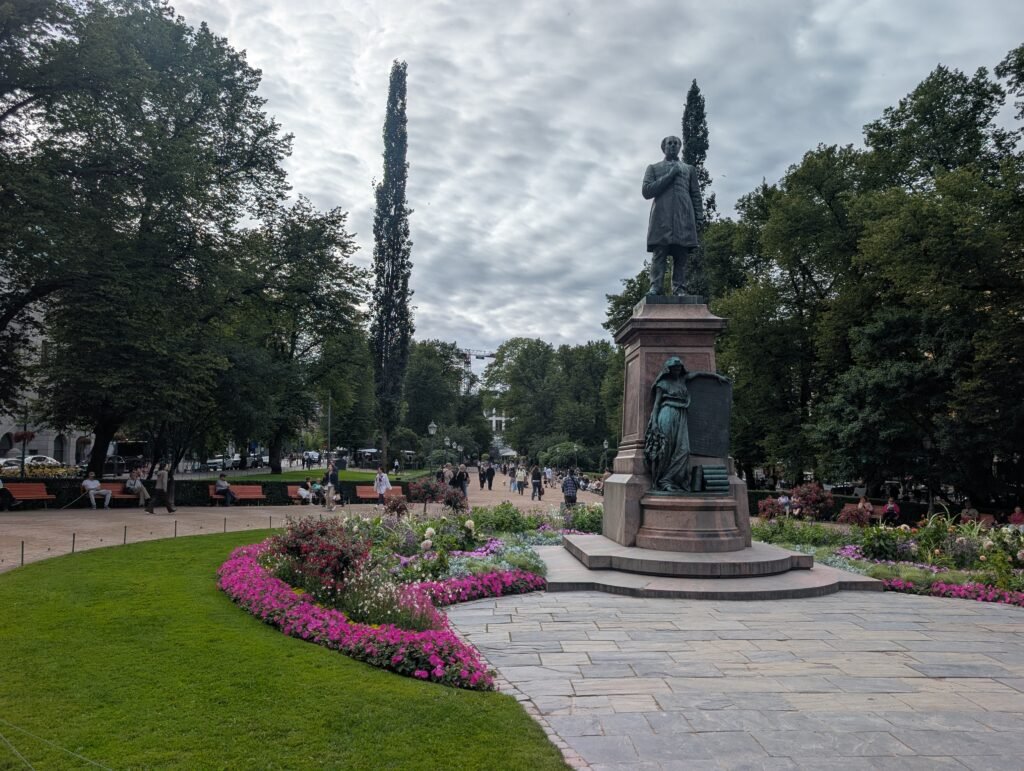
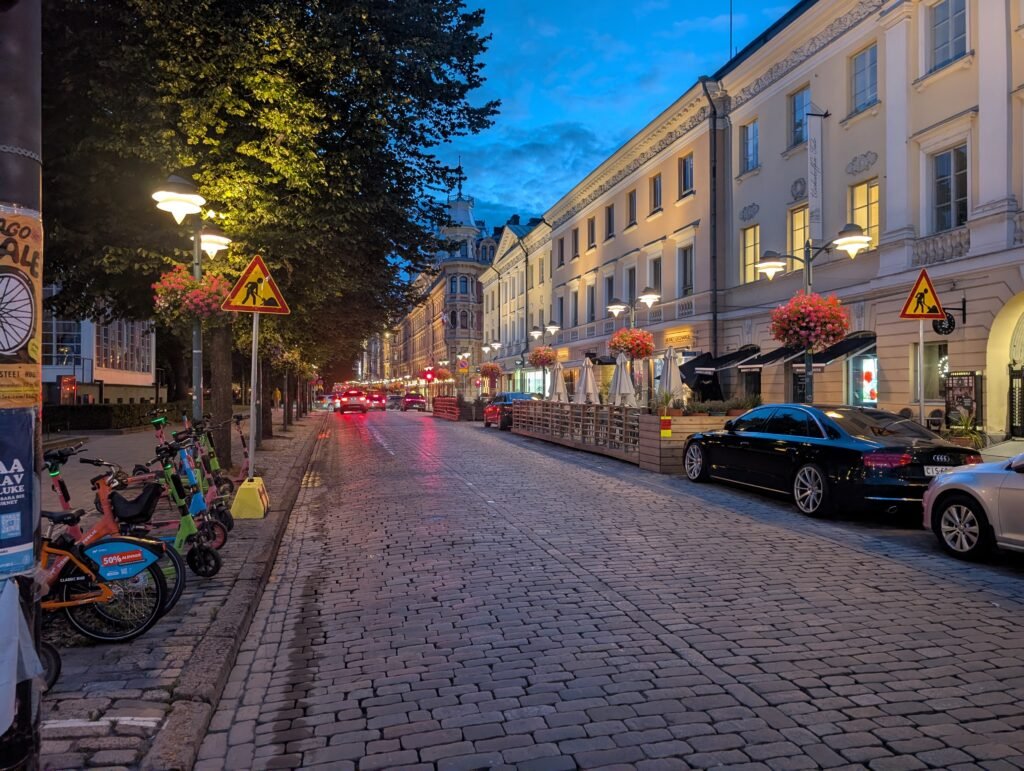
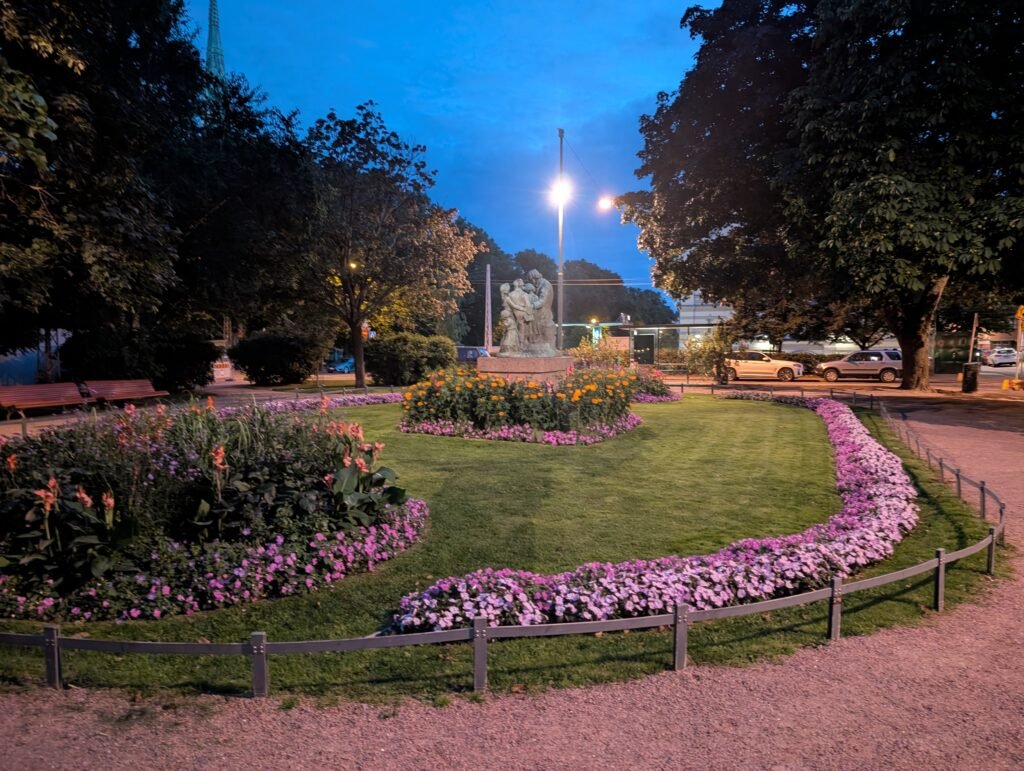
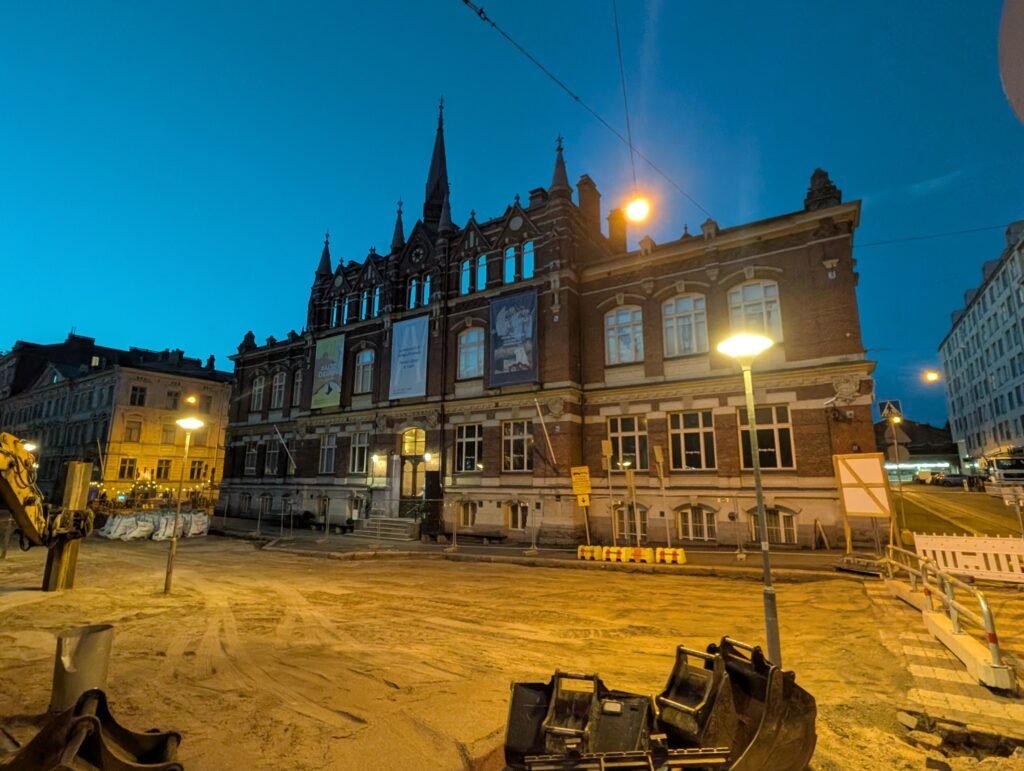
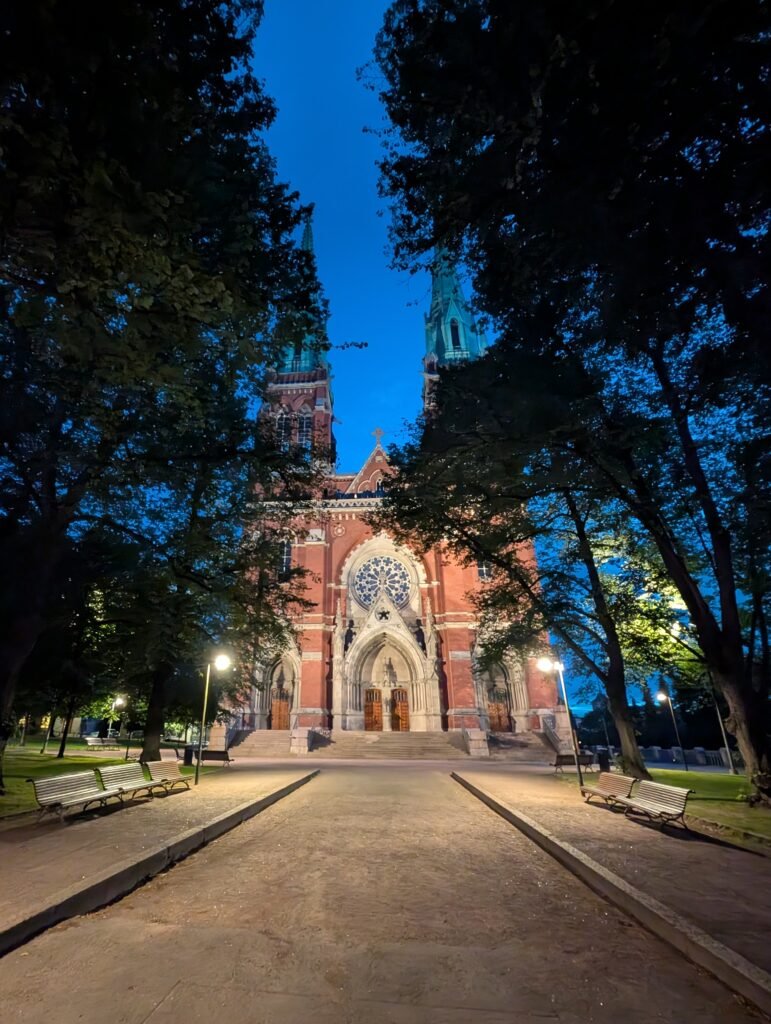
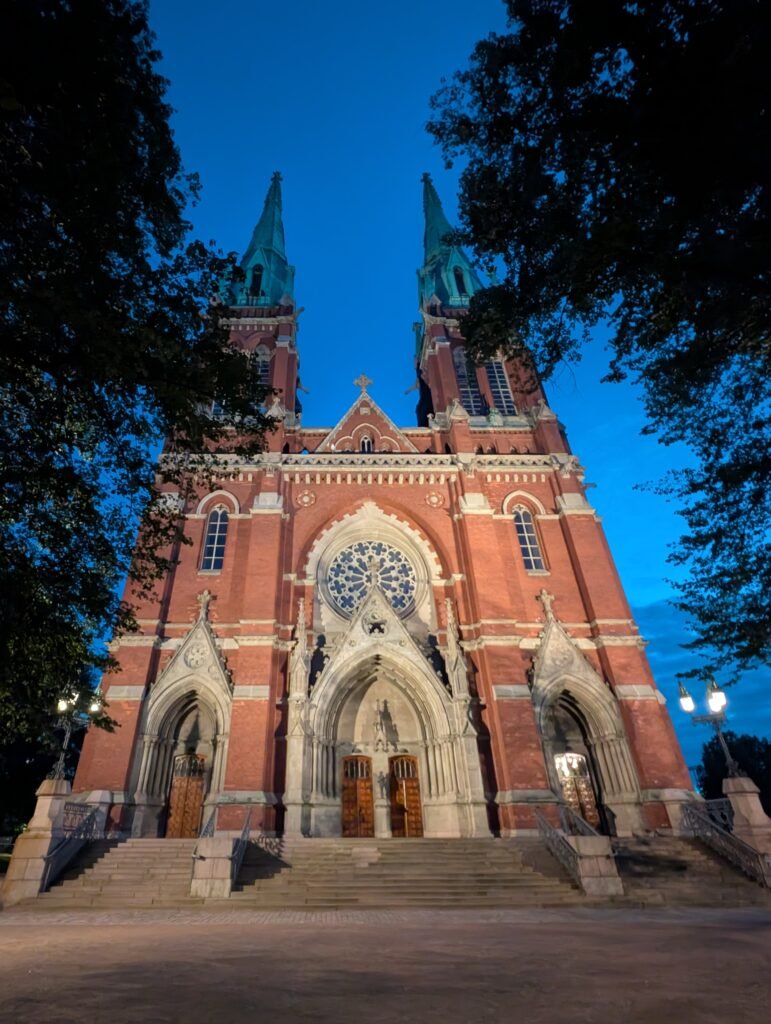
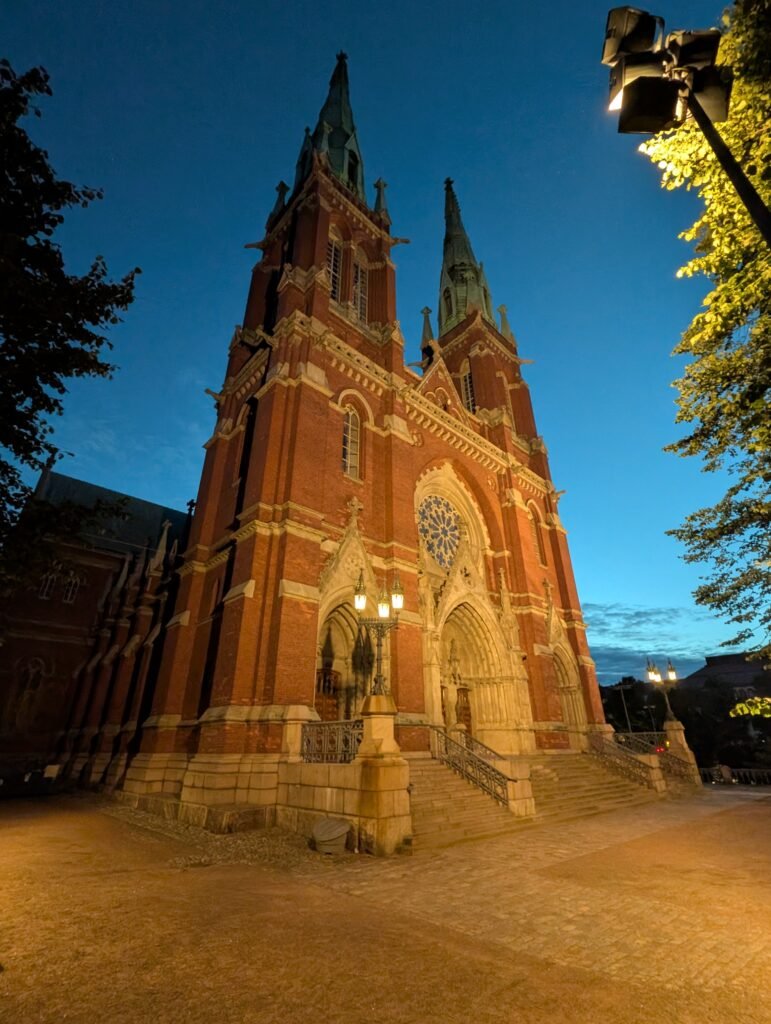
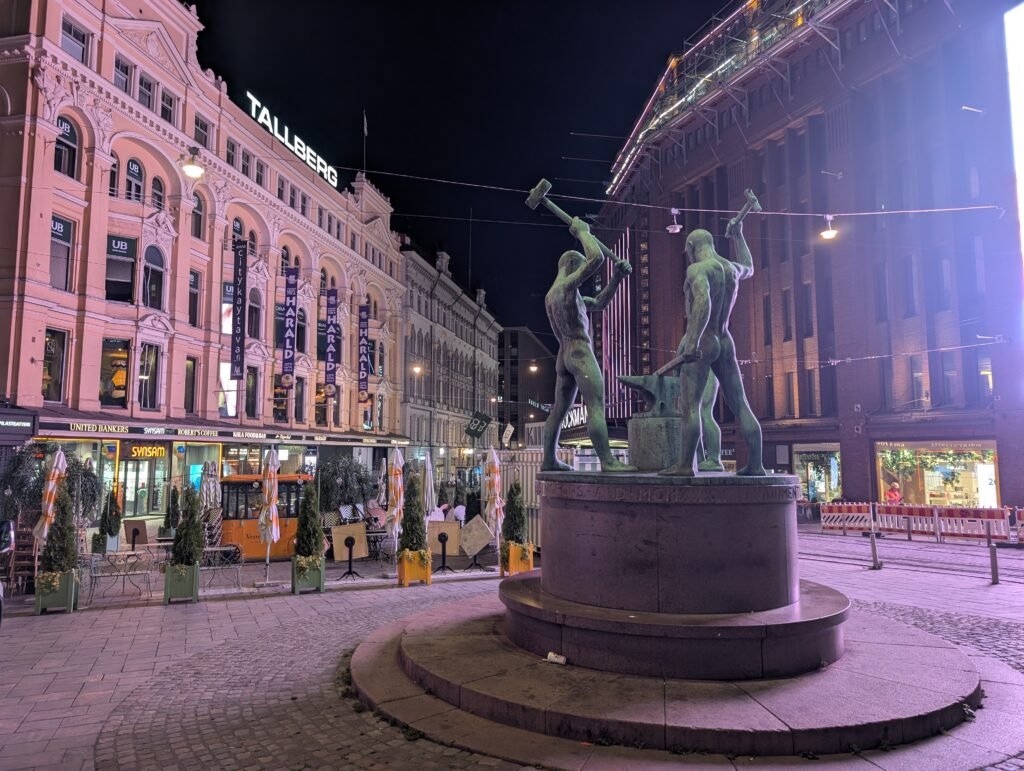
I walked around town, enjoying the soft light of the almost endless dusk. I saw squares and streets. I saw a music festival going on. I walked past the trams as they creaked by. I passed beautiful gardens with all shades of purple and quite a variety of flowers. I saw an architecture museum, pretty despite the construction in front of it. Although it wasn’t on my list of must-see churches, I concluded my trip by sitting for an hour or so in front of St. John’s, another of Helsinki’s spectacular 19th century Lutheran churches. Like many European churches, it is so large and the buildings around it are crowded in closely enough so that it’s difficult to get a good photo of the entire building. This is exacerbated by the nearly 250’ high twin spires. I took what photos I could, then just sat resting and admiring the building in the fading light of the almost-midnight Finnish summer sun. It was the perfect place to end my day.
I walked back to the train station, and got to bed sometime in the 11 o’clock hour. As I awoke the next morning and was looking at my phone, I received a text that my flight to Dallas had been canceled! Within a few minutes, I received further information about my rebooked flight – a three leg 18 ½ hour marathon in which I had been downgraded to economy. This wasn’t nearly the posh 10 hour direct business class trip I had booked. I did eventually get back to Dallas – very tired and needing to spend a night before proceeding home. Finnair was kind enough to offer the mandated €600 compensation for long delays. I would have gladly forfeited that for the more comfortable flight, but I was glad to get back home. It had been an amazing trip, and Helsinki was a pleasant surprise of an add-on.