Fortified Alcazaba on the Spanish Mediterranean Coast
My stay in Almeria was brief. My ferry arrived at 9:00 p.m.. It took a few minutes to disembark and walk to my hostel. I had been traveling for a week and a half, and needed to do some laundry. I rinsed off, put on my last set of clean clothes, and threw everything else in the wash. I had a nice long visit with Stephanie as my wash was working. By the time all of that was done, it was after midnight.
My hostel in Almeria was a little strange. It was definitely a corporate looking, machine-like mega-hostel. The girls behind the desk were nice, but the hostel was like Ryan Air, or the late Spirit Airlines. They offered a low bed rate (for the area), and then tried to nickel and dime you on everything from laundry service to bag storage to towel use to late check-in. It was clean and new, but a long way from the welcoming feel I got from the places I stayed in Morocco.
I didn’t get a very early start Tuesday morning, either. I visited with some of the other hostel guests, then headed out to see the catedral and the alcazaba. That schedule is a good fit for Spain, anyway. No one gets up early. The problem is that you cannot see anything in the afternoon, either. Everyone takes a siesta. Businesses are closed from about 1:30 to 5:00. Most restaurants open for a small window during lunch, and then open again for supper, sometimes at 8:00 p.m., sometimes even later.
My first stop was the catedral. On the way, I passed small one-woman bakery. I didn’t know what most of her items were, I asked about some of them, but there were too many explanations rattled off too fast for me to understand them all. I ended up with a torta de chicharron. I thought this would be savory, but it was coated with sugar! It tasted pretty good, though I don’t know that I would order it on purpose again.
(Continued)
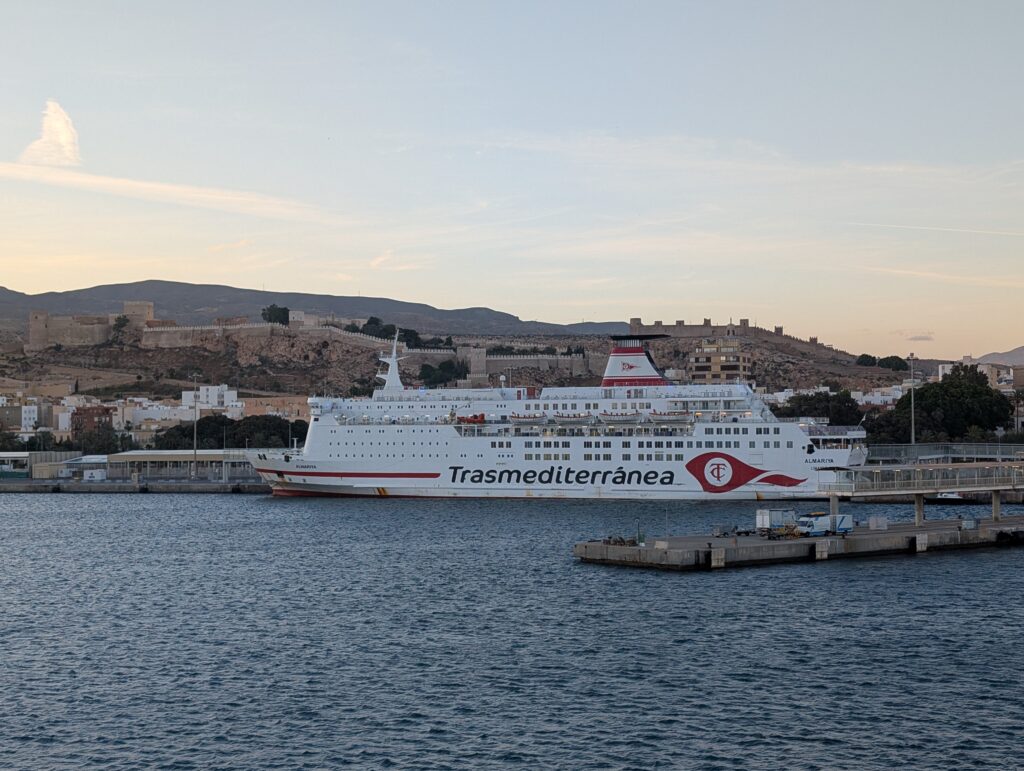
My 1st View of Almeria From the Arriving Ferry
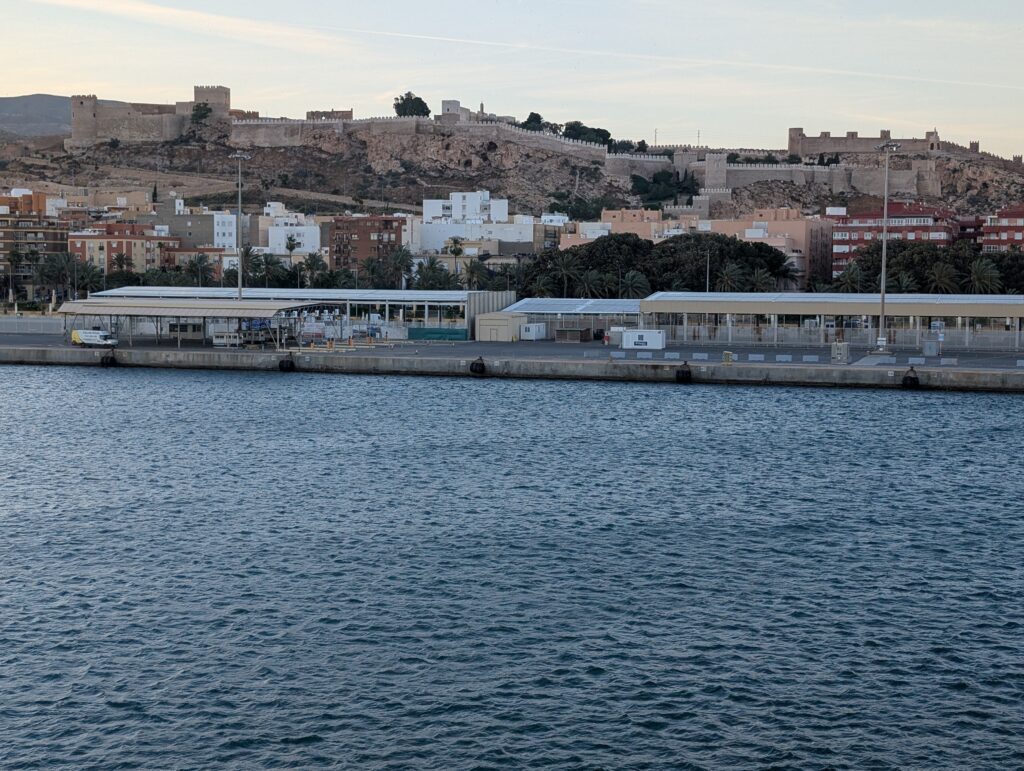
View of Alcazaba From Ferry
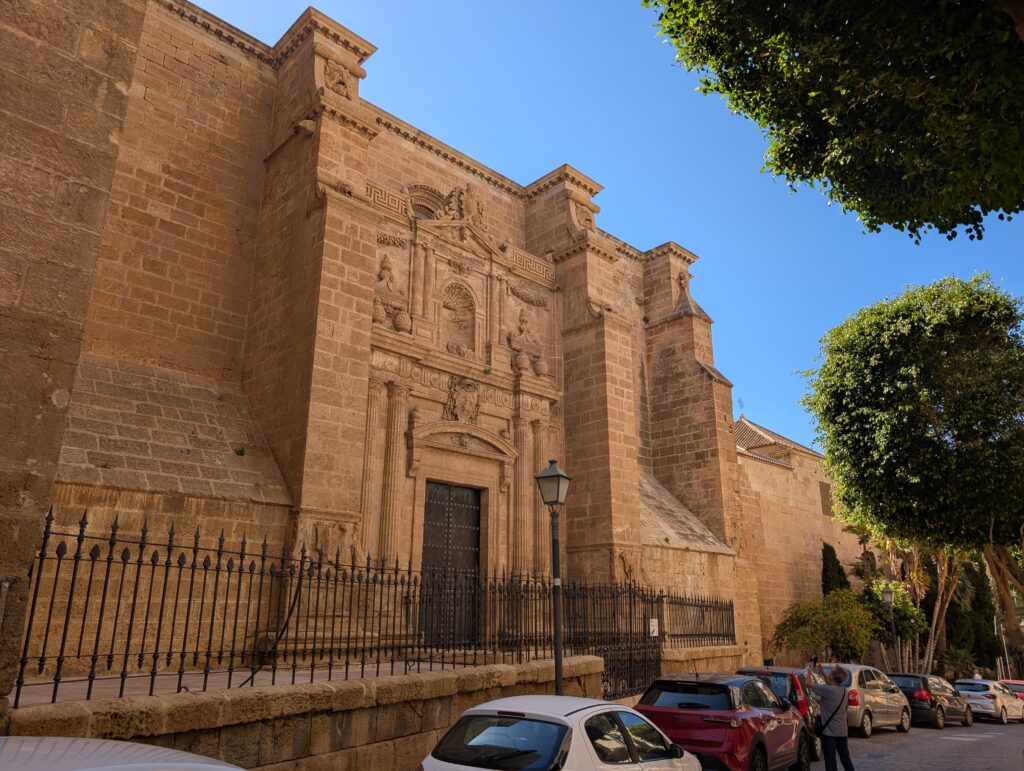
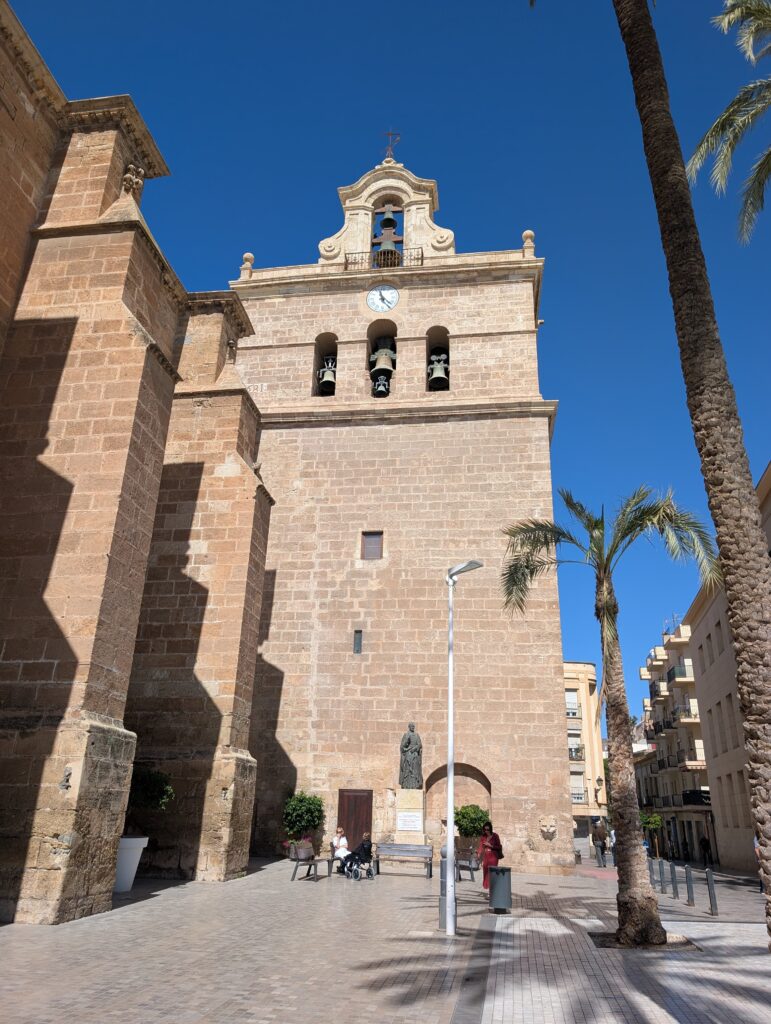
Approaching the Catedral
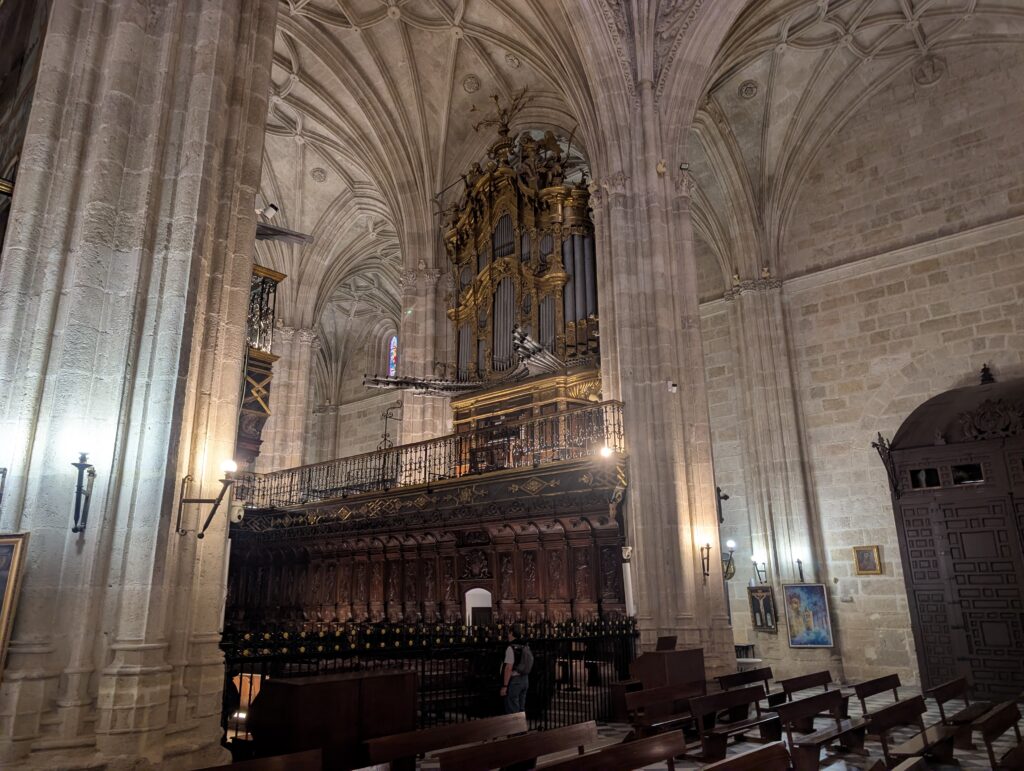
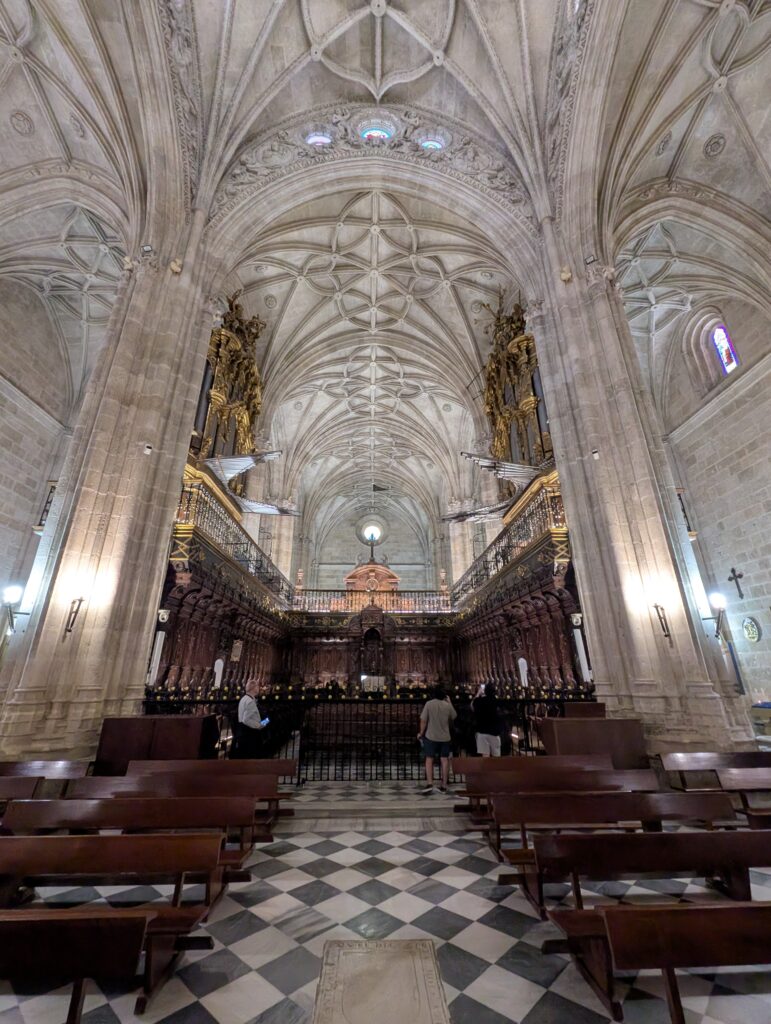
Organ
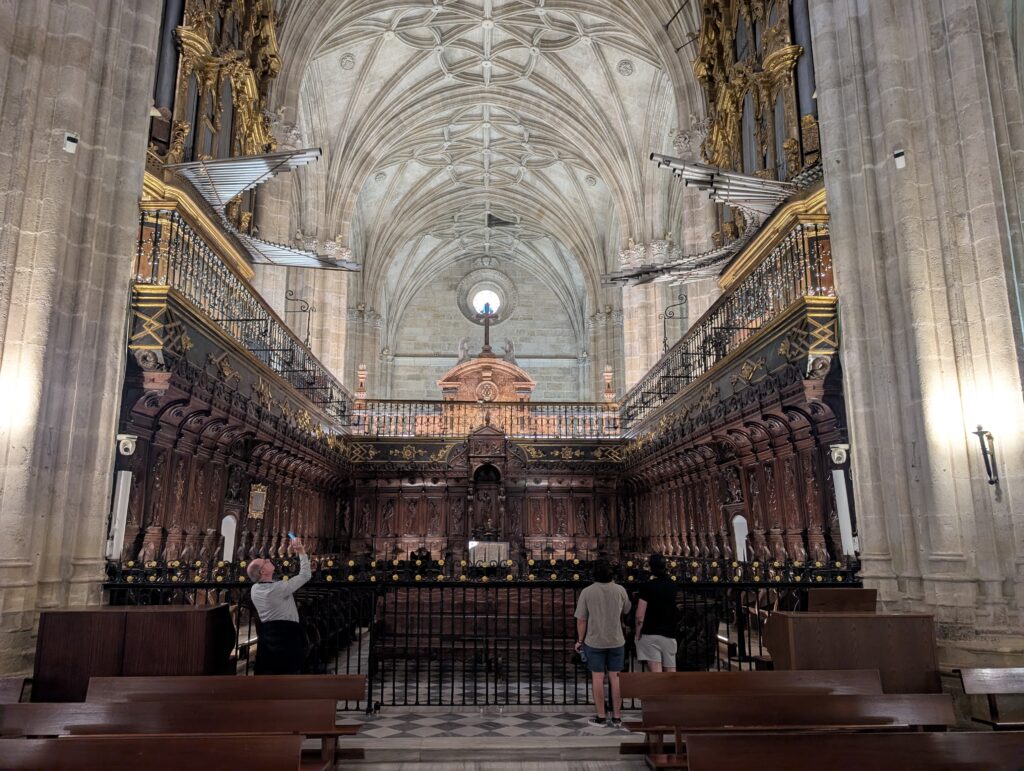
Choir Area
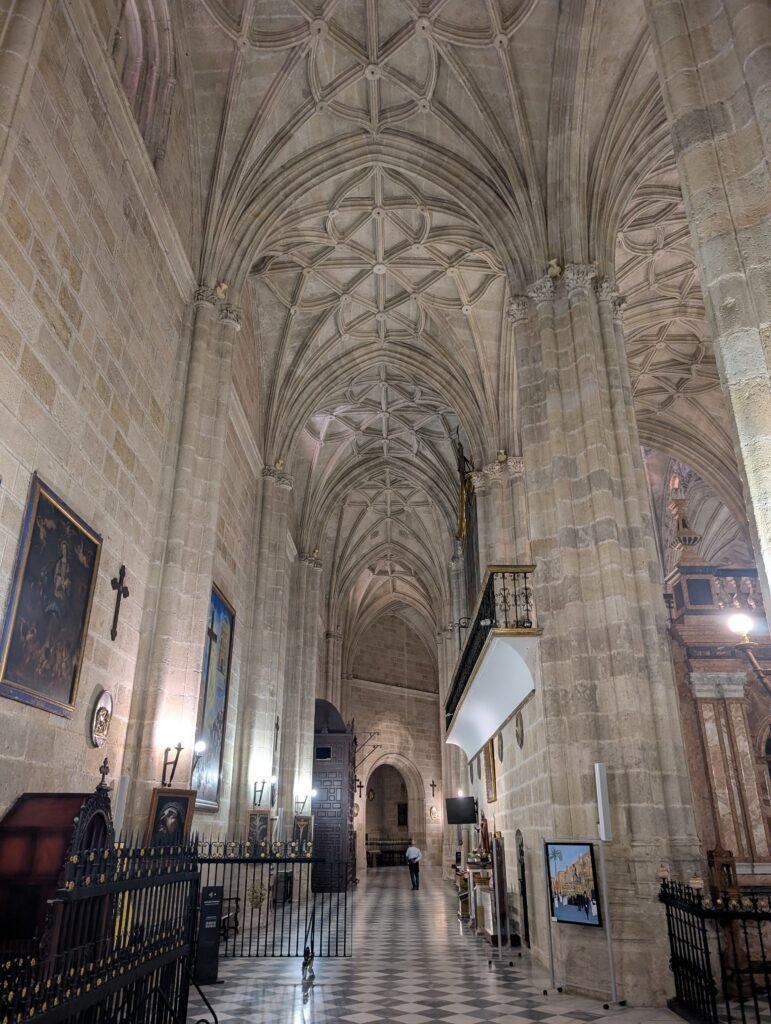
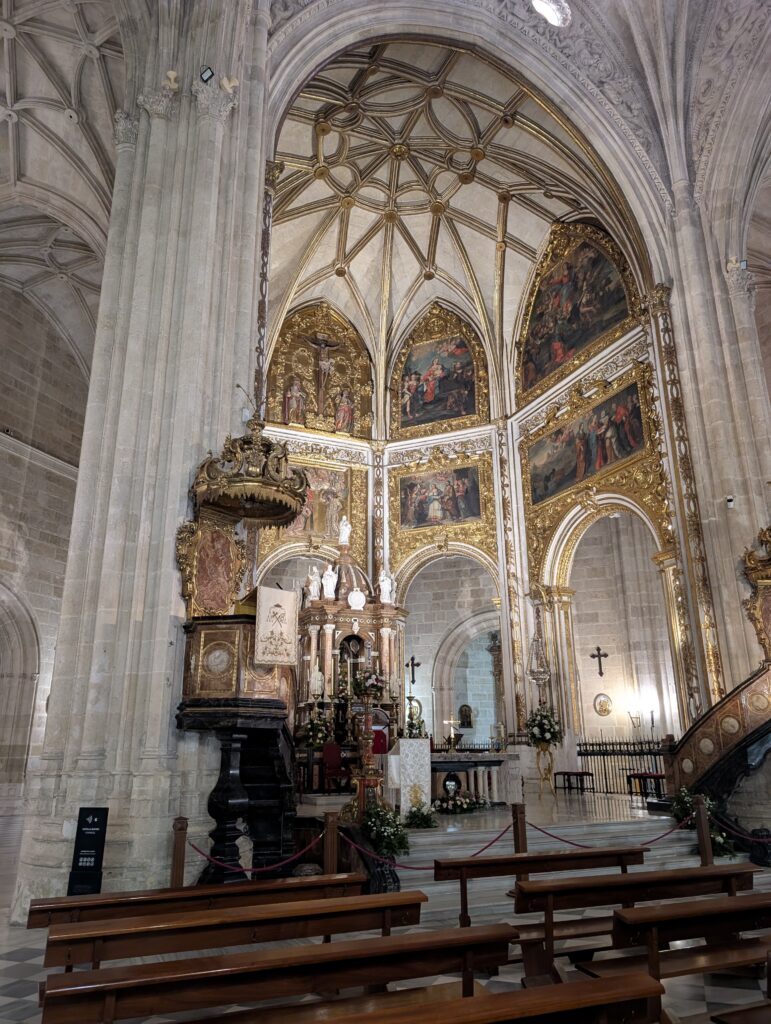
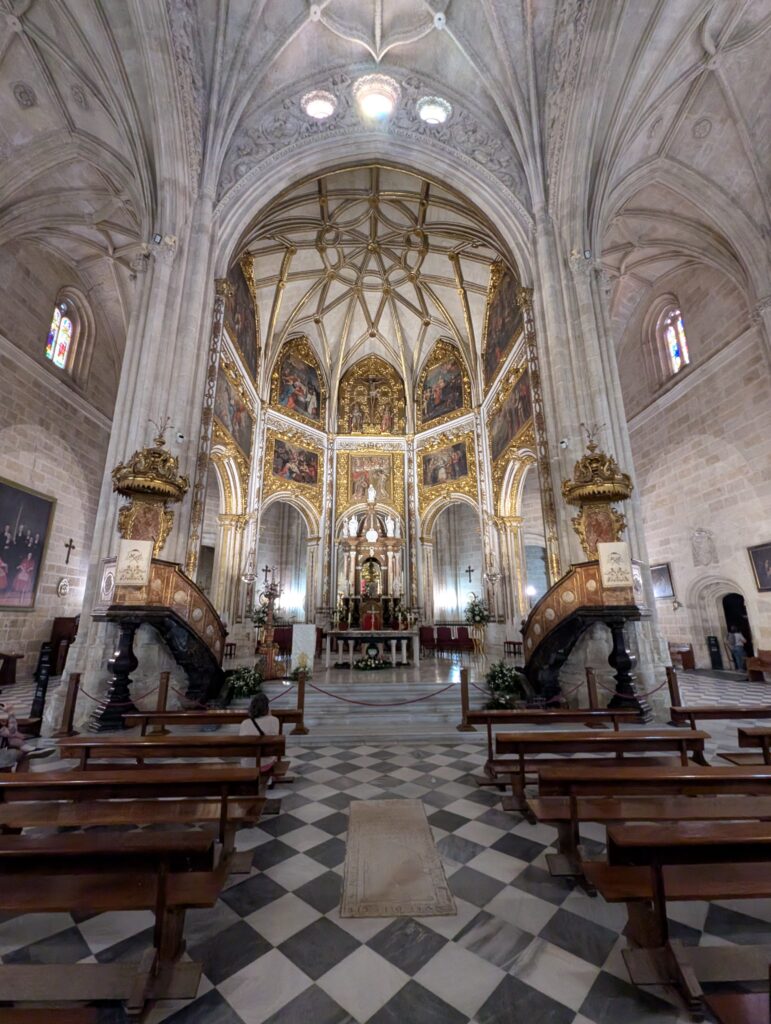
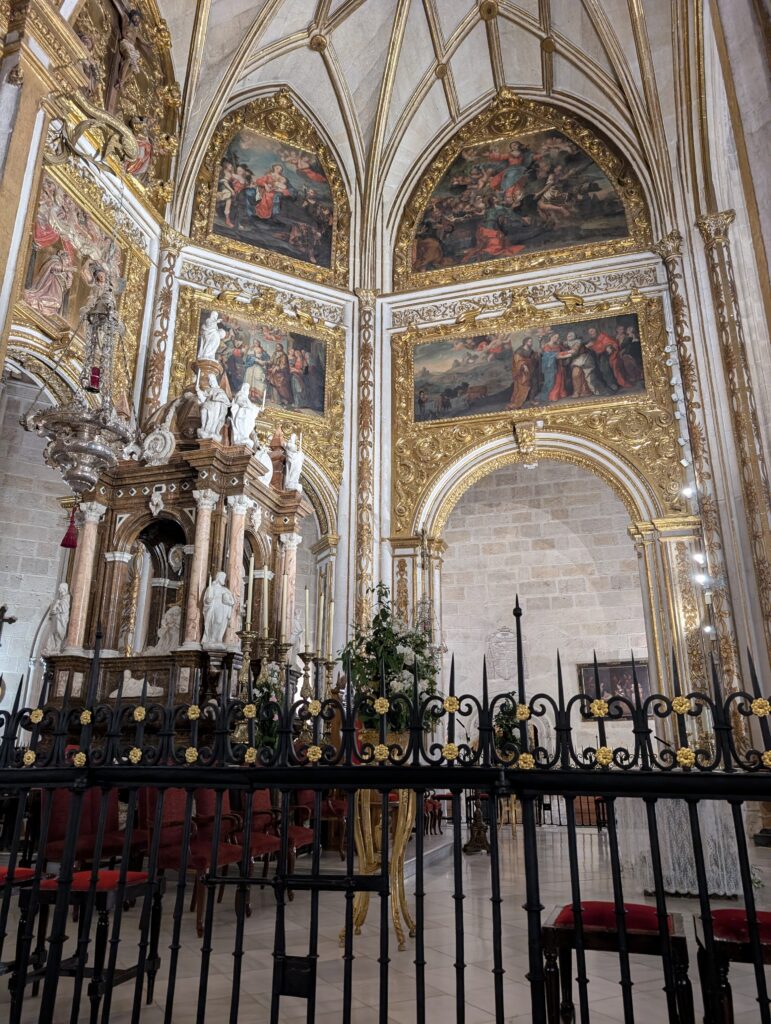
The cathedral in Almeria was a short walk from my hostel. It cost 8 Euros to enter, but it came with a free English audio guide. Predictably, it was not nearly the giant structure seen in larger European cities. It was pretty inside. I learned once in that the height of the building was limited by construction style. An earlier building had been destroyed by an earthquake, but this one dated to the early-mid 16th century. When it was built, there was still a Moorish threat. It was a fortified church. The arches and walls were thicker, and the building not so tall so as to be able to survive artillery from that era. I spent about an hour at the Catedral de la Encarnacion before continuing to the alcazaba.
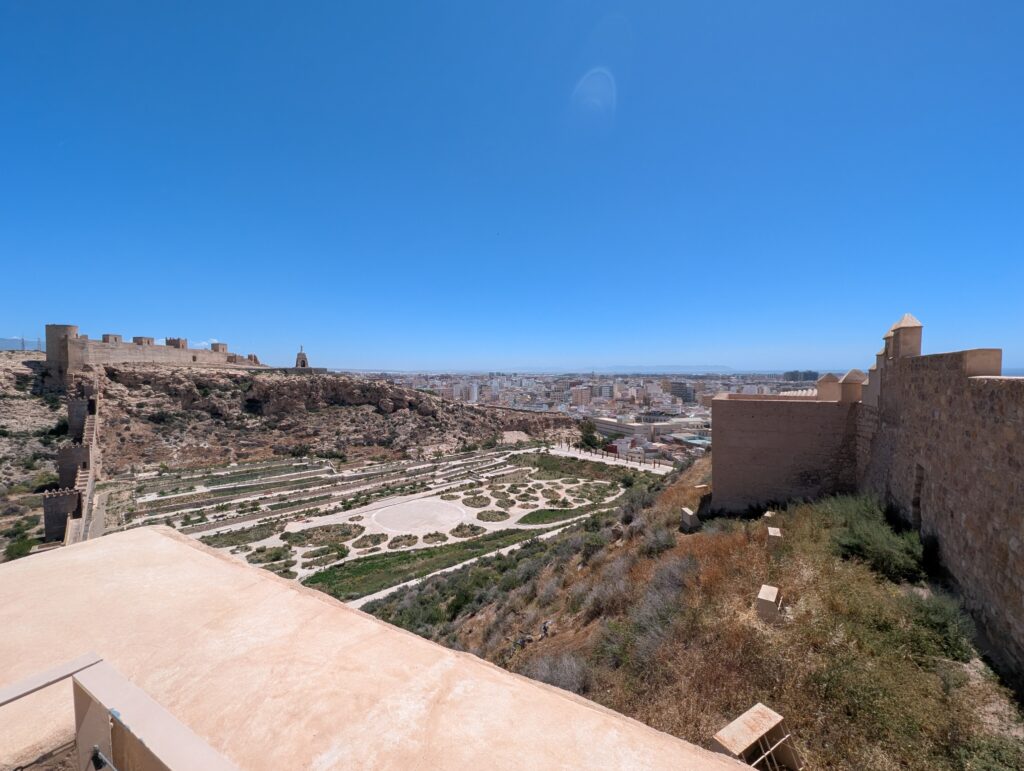
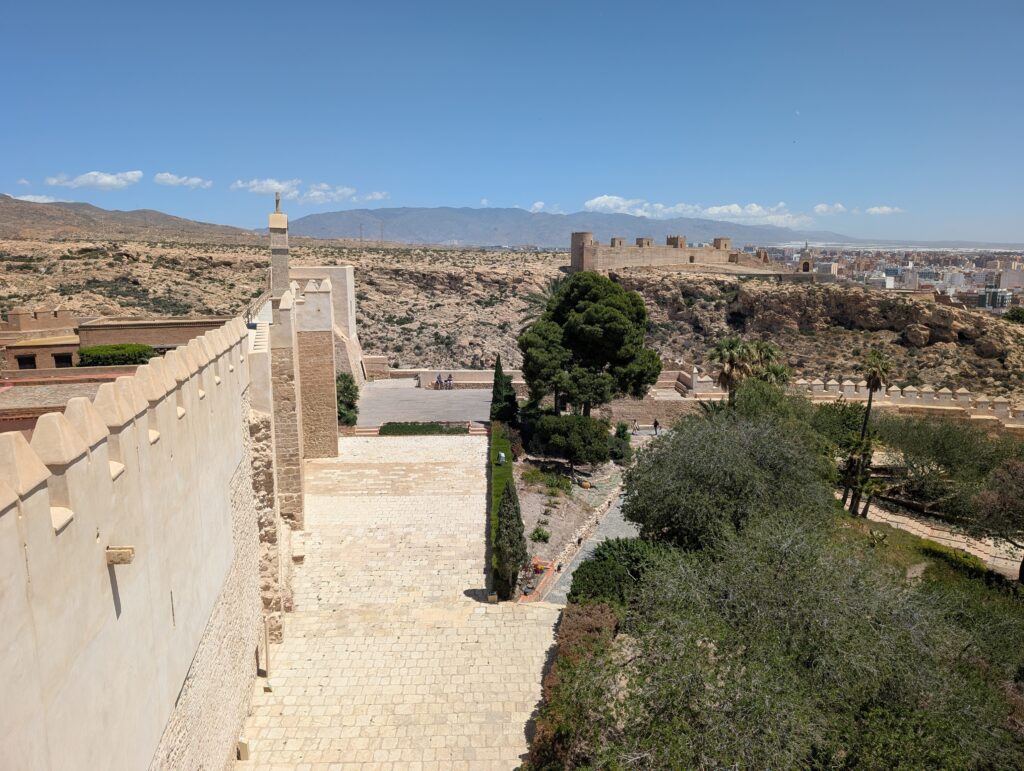
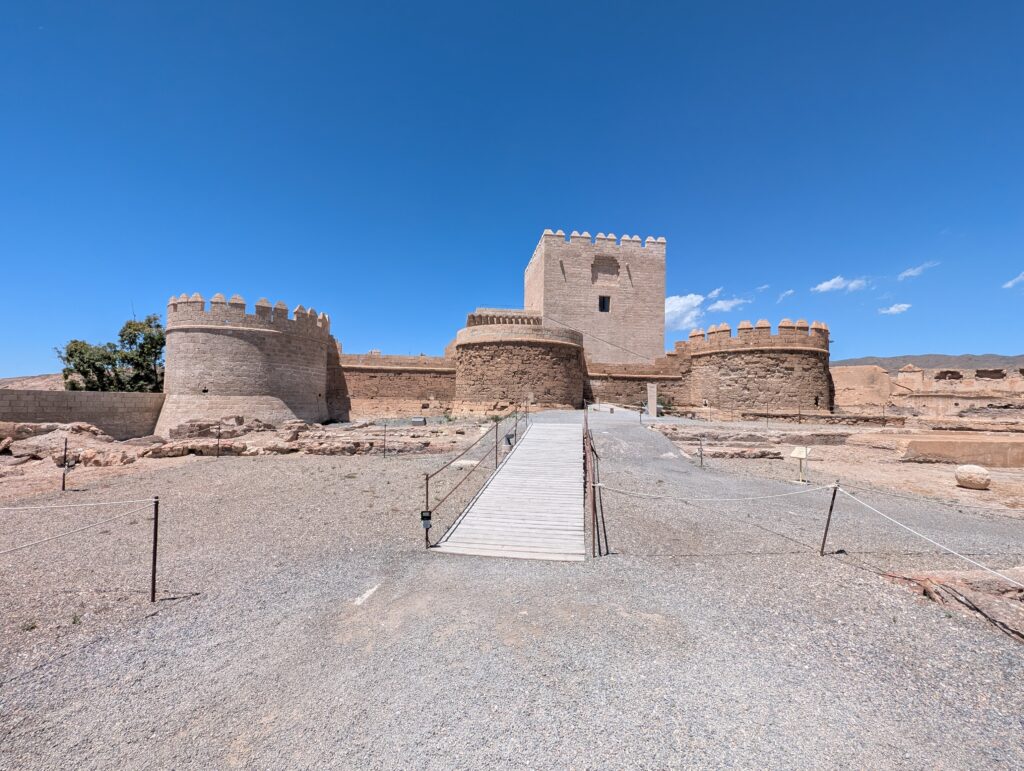
The Muslim conquerors of Spain had decided to make Almeria an official city in the mid tenth century. As such, walls, squares, a mosque, and other developments were constructed. Over the years, ham fisted archaeologists dug through the area looking for artifacts to move to a museum. They constructed example traditional Muslim houses and buildings during the mid twentieth century in an attempt to give visitors a more authentic feel for village life within the walls. These constructions in no way reflected the actual layout of the city below. No notes or studies were made. When later, more serious and organized archaeologists came in to examine the remains, they found evidence that original building remains had unfortunately been damaged by the sloppy earlier work.
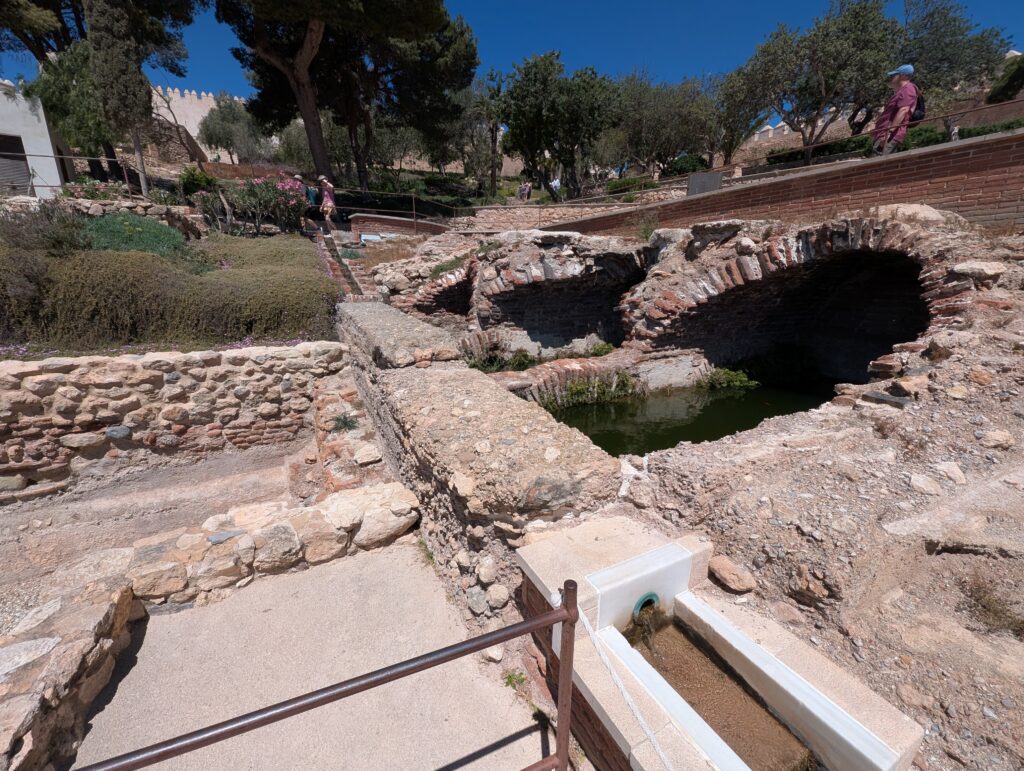
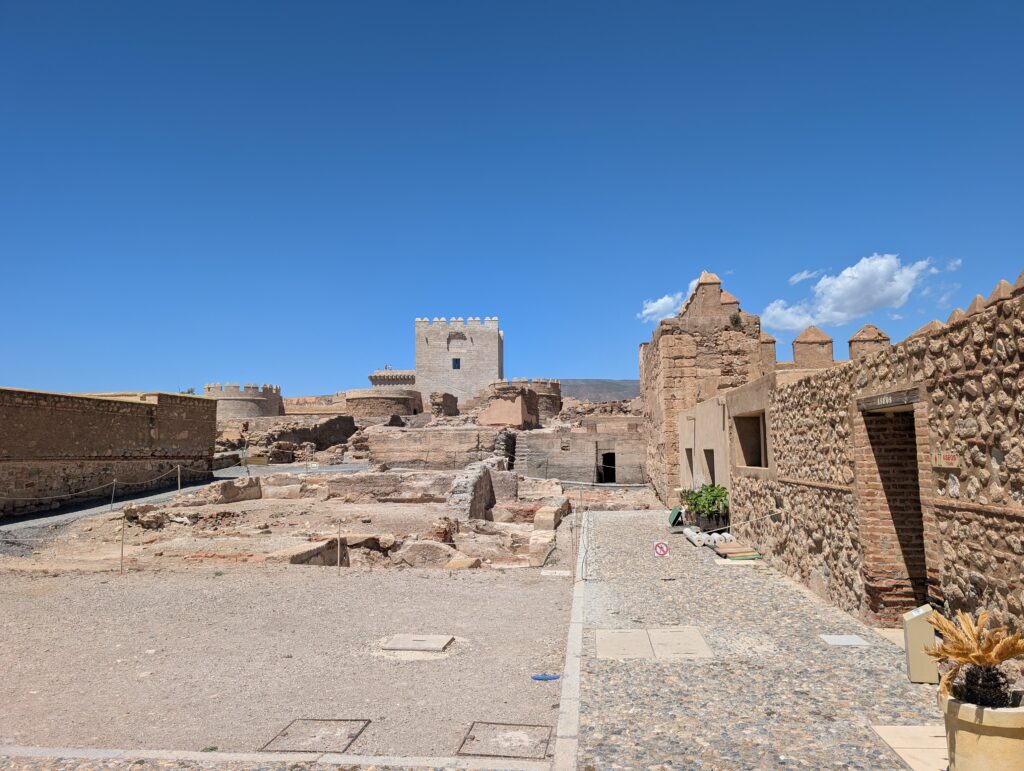
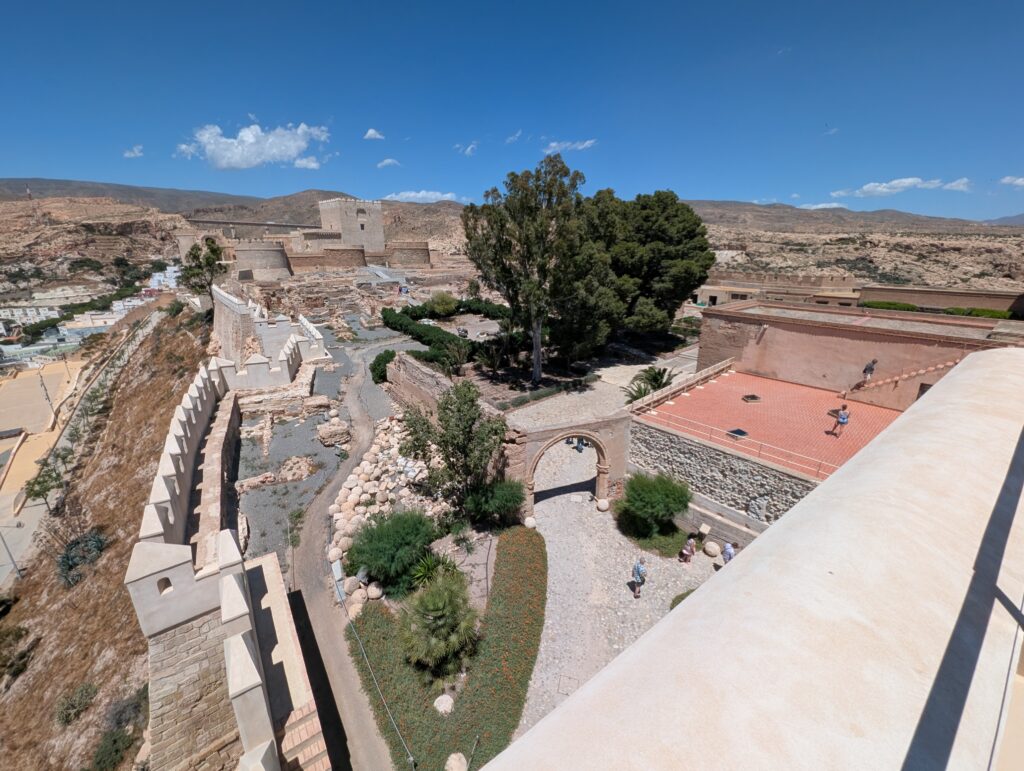
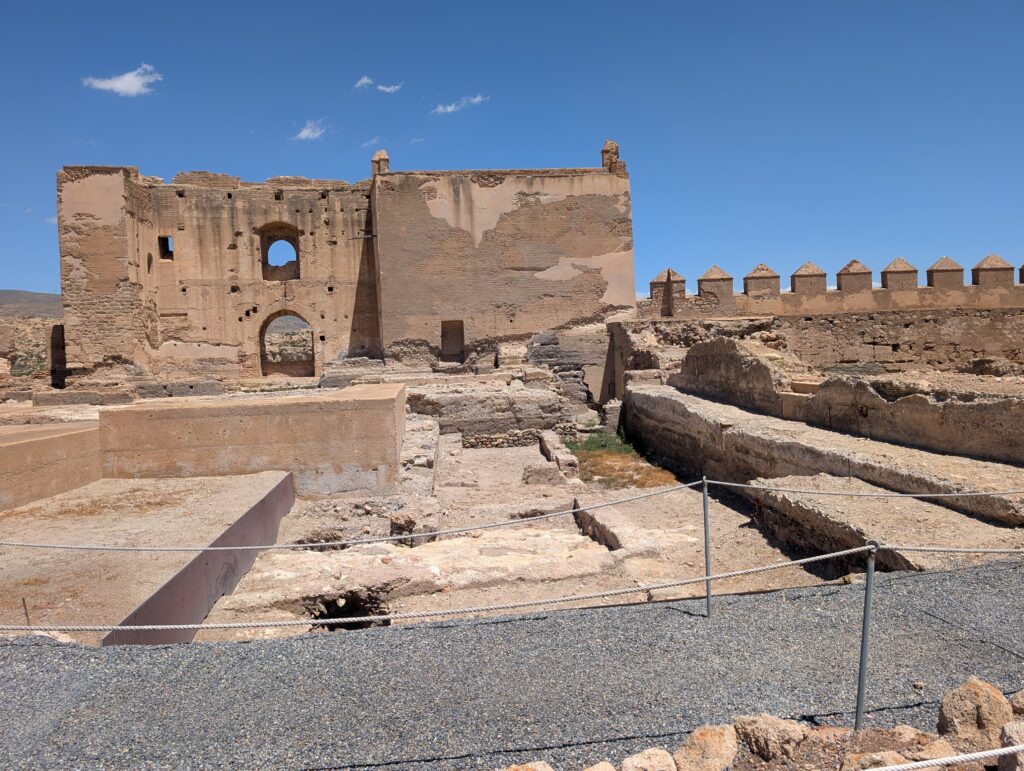
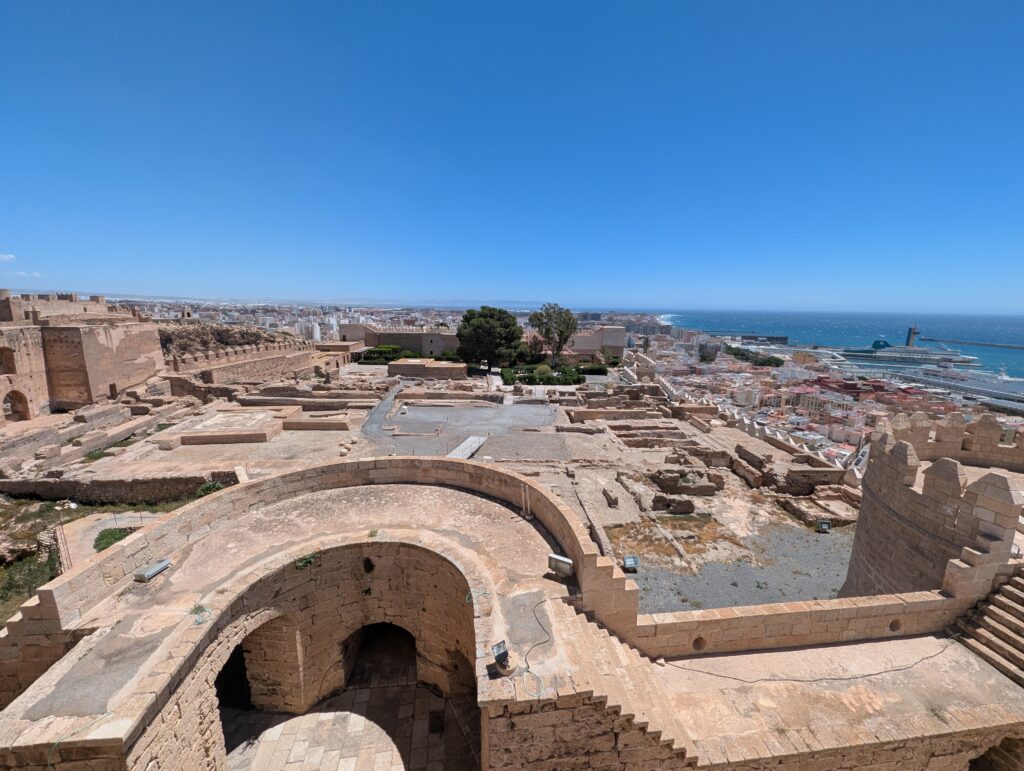
Nevertheless, there are some cisterns and remains of the water delivery system from the Moorish era still intact. There are even a few artifacts that were found from the Visigoth period (the time between the Romans and the Moors). I saw the remains of some administrative buildings, house structures, and the old Muslim palace. The building that was their mosque was converted to a church at one point, but was nearly empty now. It was a relatively simple structure.
(Continued)
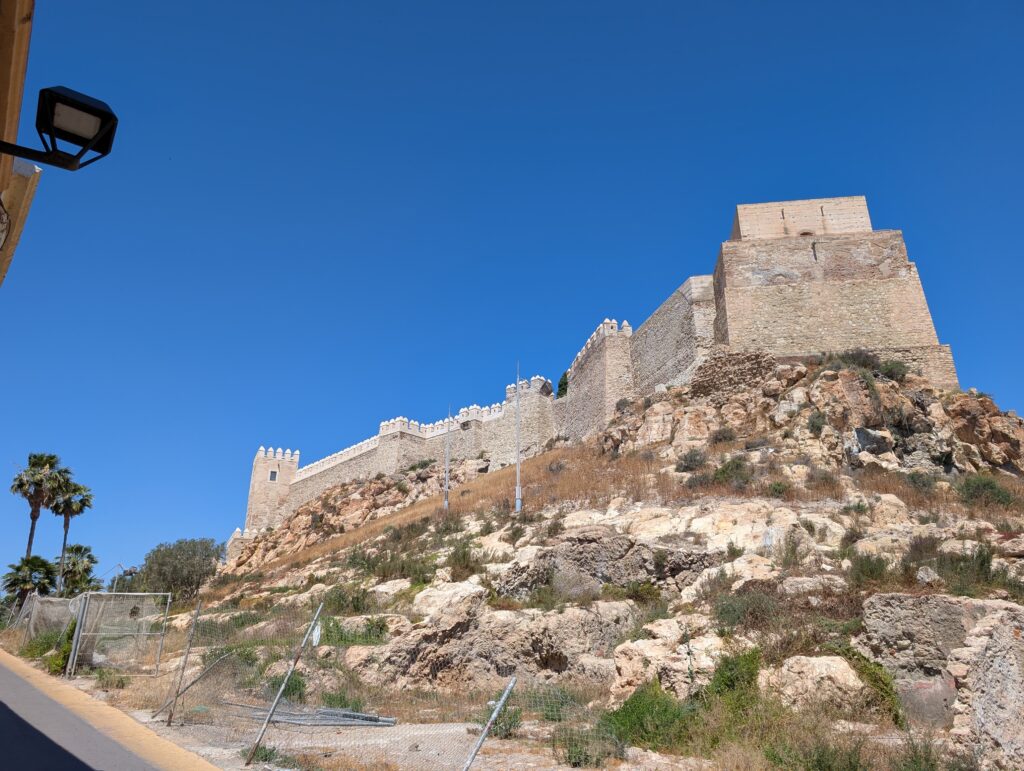
Approaching the Alcazaba
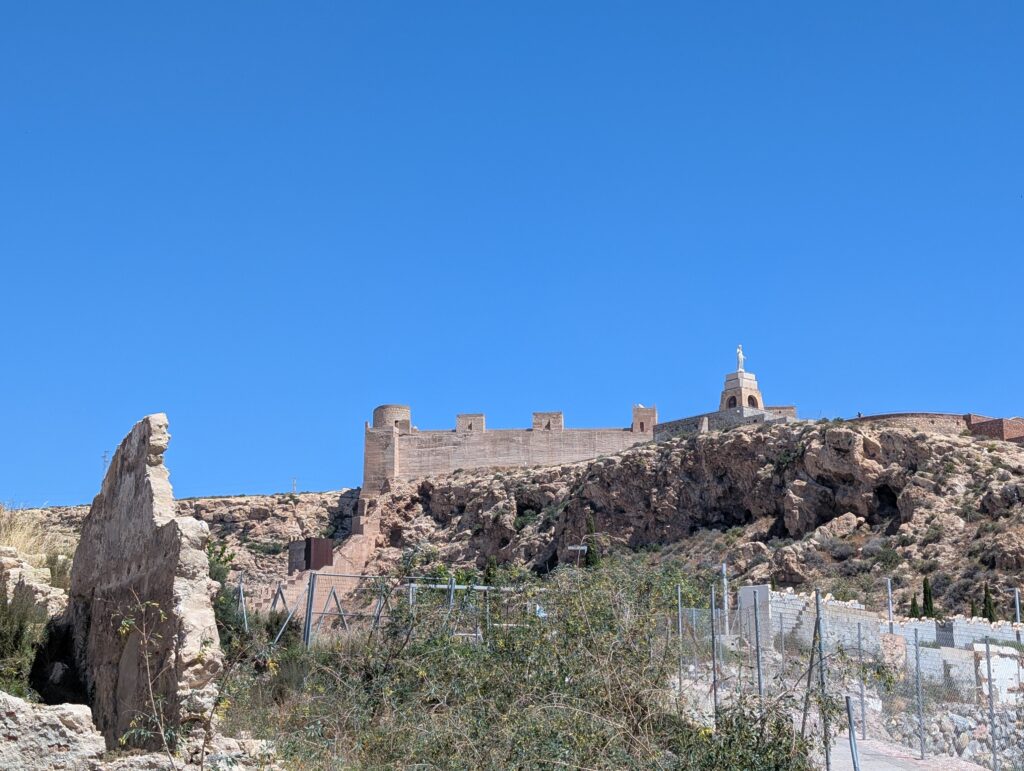
Another Distant Walled Section
One Last Stray Catedral Shot
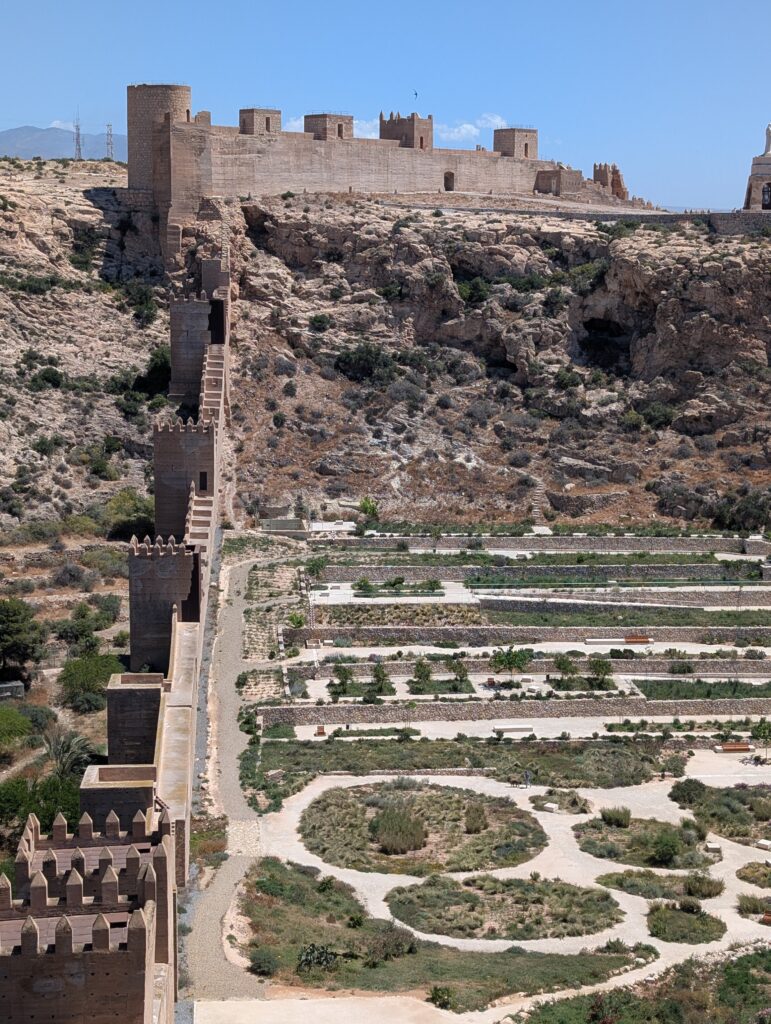
City Walls Stretching Across the Valley
Valley Below
Ancient Cisterns
Inside the Alcazaba, Spanish Construction in the Distance
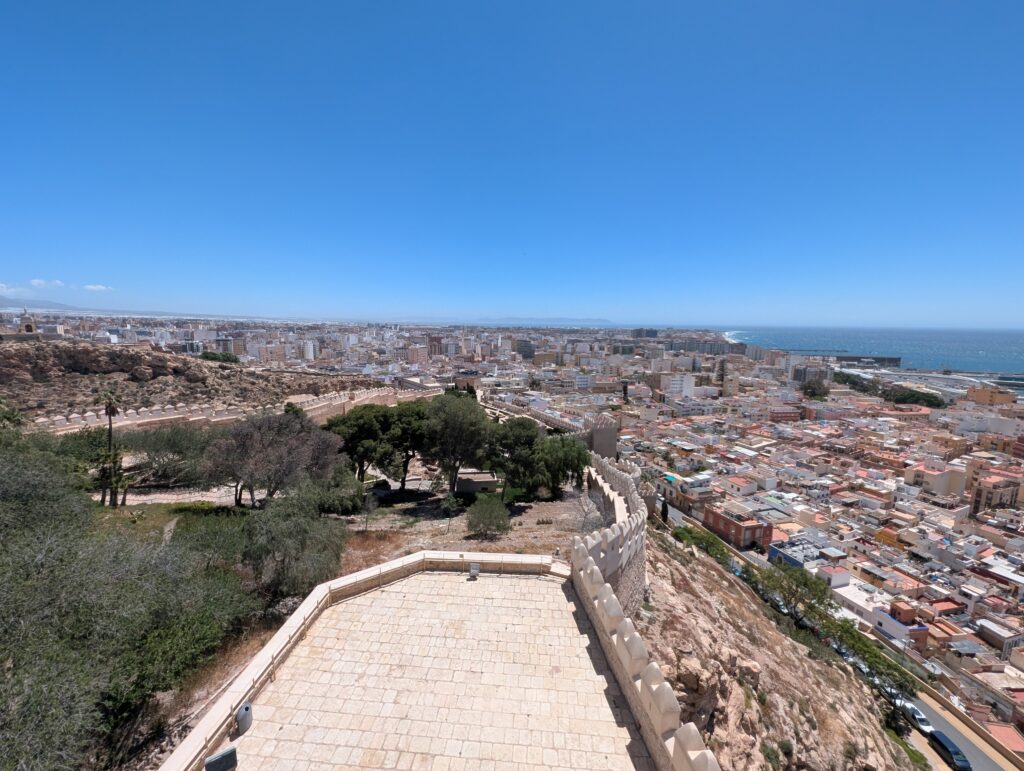
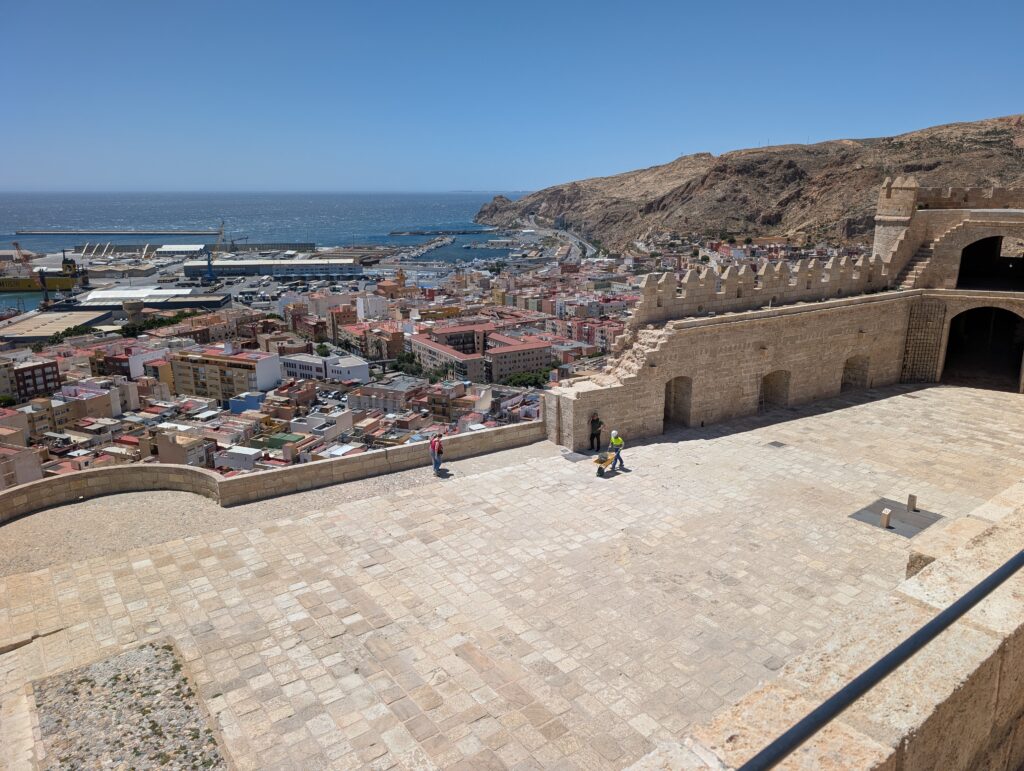
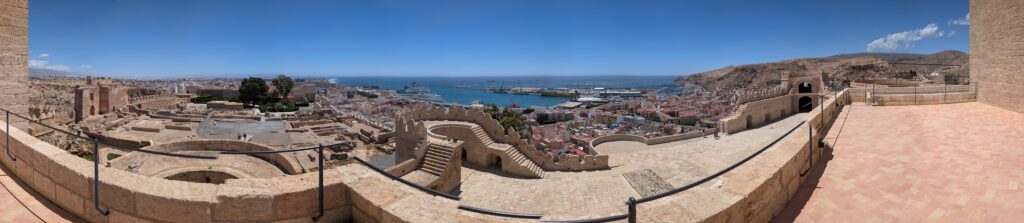
Nice Views From the Walls
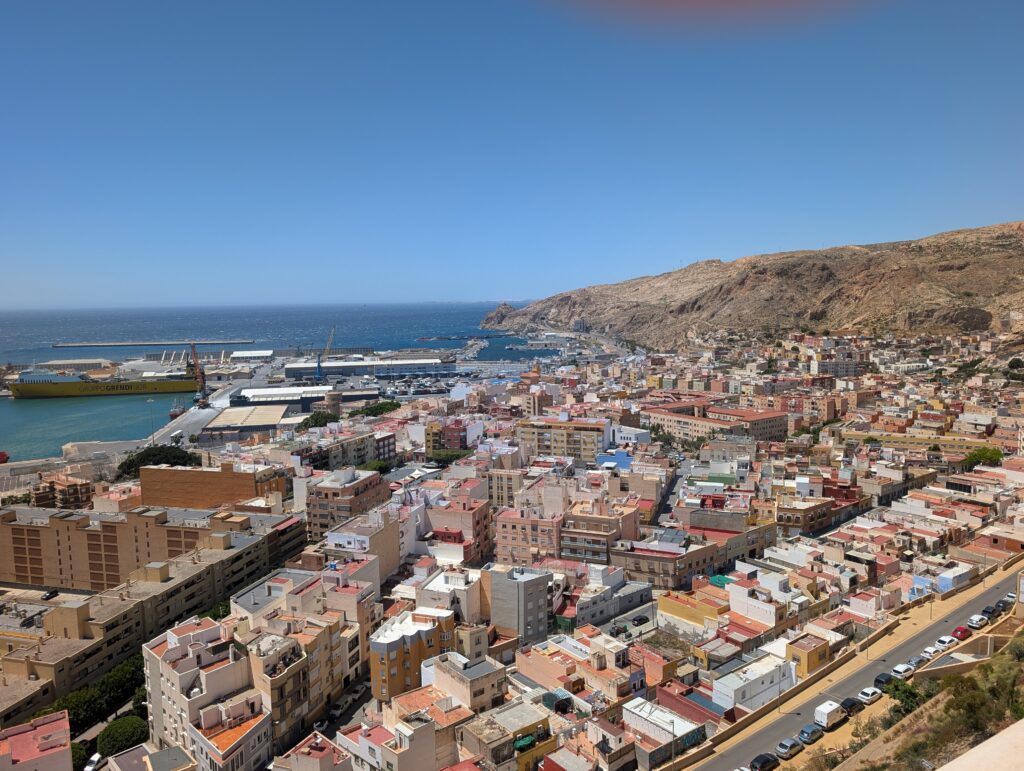
Looking Down From One of the Towers on the Inside of the Alcazaba
Some of the Older Construction
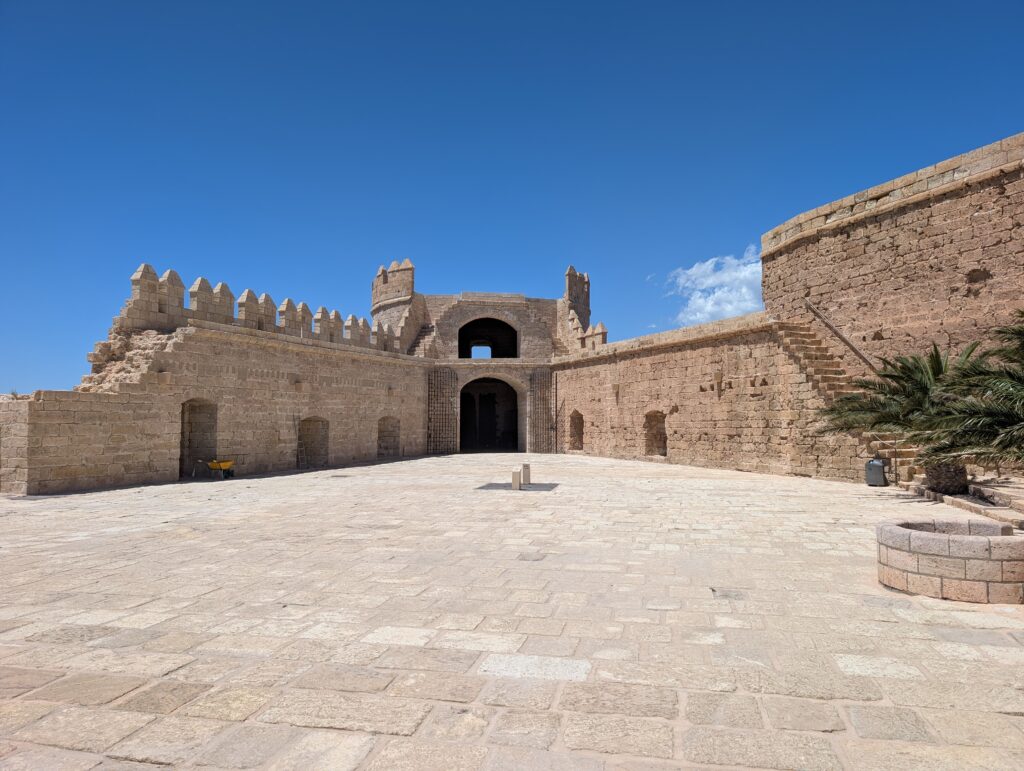
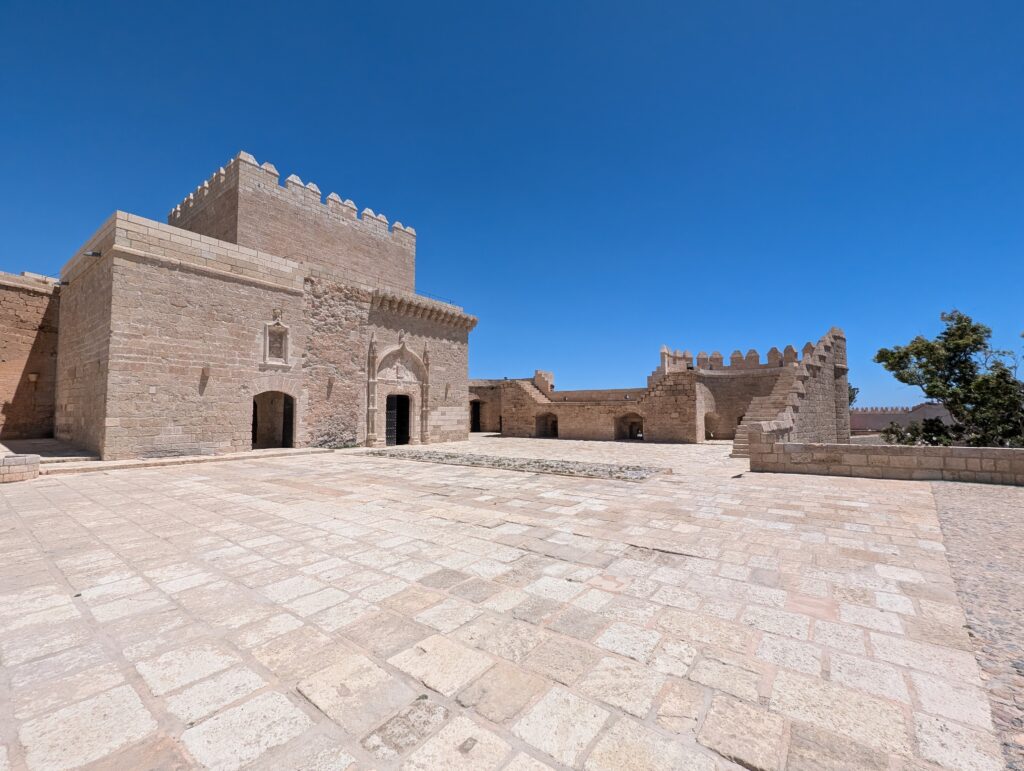
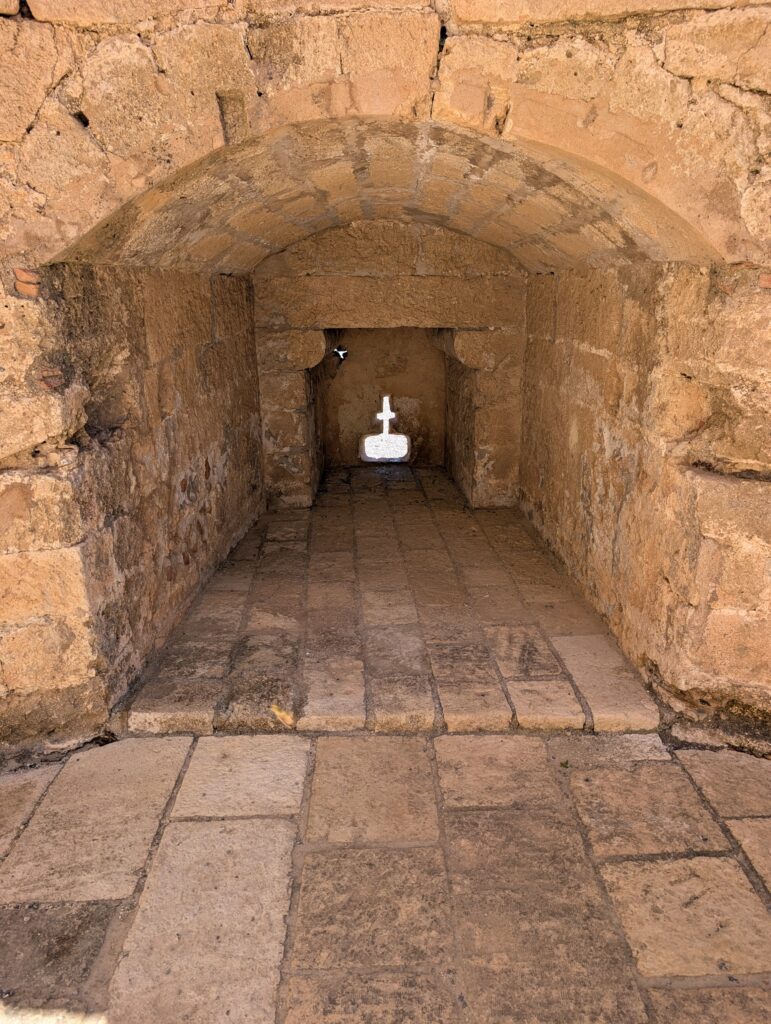
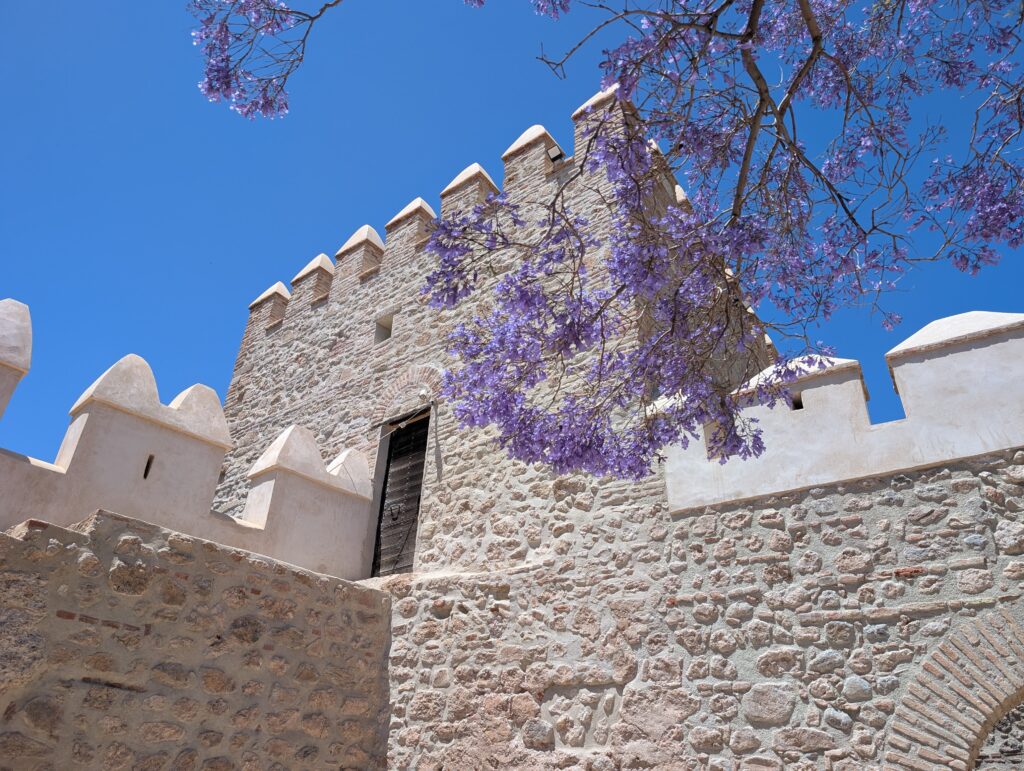
When the Spanish reconquered the area under Ferdinand and Isabella – referred to as the Catholic Monarchs in Spain – In 1488, they ordered a new palace built, and an improvement of the fortifications behind all of it. The Spanish area is distinct in appearance from the Moorish. It is taller, looks more Renaissance than medieval, and has very Christian emblems such as cross shaped arrow slits. Many of the passages also bear the coat of arms of the Reyes Catolicos. It is evident that a lot of the architecture – both Moorish and Christian – has been significantly restored, though there are still quite a few original components.
It is possible to walk all over these walls and parapets, and I did that. There was a pretty stiff and gusty wind the day I visited. I worried a bit for my sunglasses. The wind blew my T-shirt up enough times that I tucked it into my shorts, in a serious fashion faux pas. I thought it might blow me off the wall over the very short guard rails a few times.
There were a few pieces of art displayed in some rooms, and a couple of artifacts from the tops of pillars found in excavations. There was not an audio guide. Some of the displays were posted in English as well as Spanish. Many were not. I knew most of the history of the place before I arrived, so this was fine. There was not entry fee, so that was nice.
Once I was done with the alcazaba, it was siesta time for any other of the city’s attractions. They have a Spanish Civil War museum, but that was closed. Apparently, some desert scenes from movies have been filmed here. There is a cinema museum that costs just three Euros. I opted out of it, since the afternoon opening window was pretty short and might interfere with my departure. I grabbed some fruit from the Carrefour, and headed back to have a snack and rest for a bit. I would head out for dinner in time to enjoy some Andalusian food before boarding another ferry for an 11 ½ hour ride back to North Africa.
Spanish Construction
Cruciform Arrow Slit
Lovely Purpose Flowers on the Trees Near the Walls
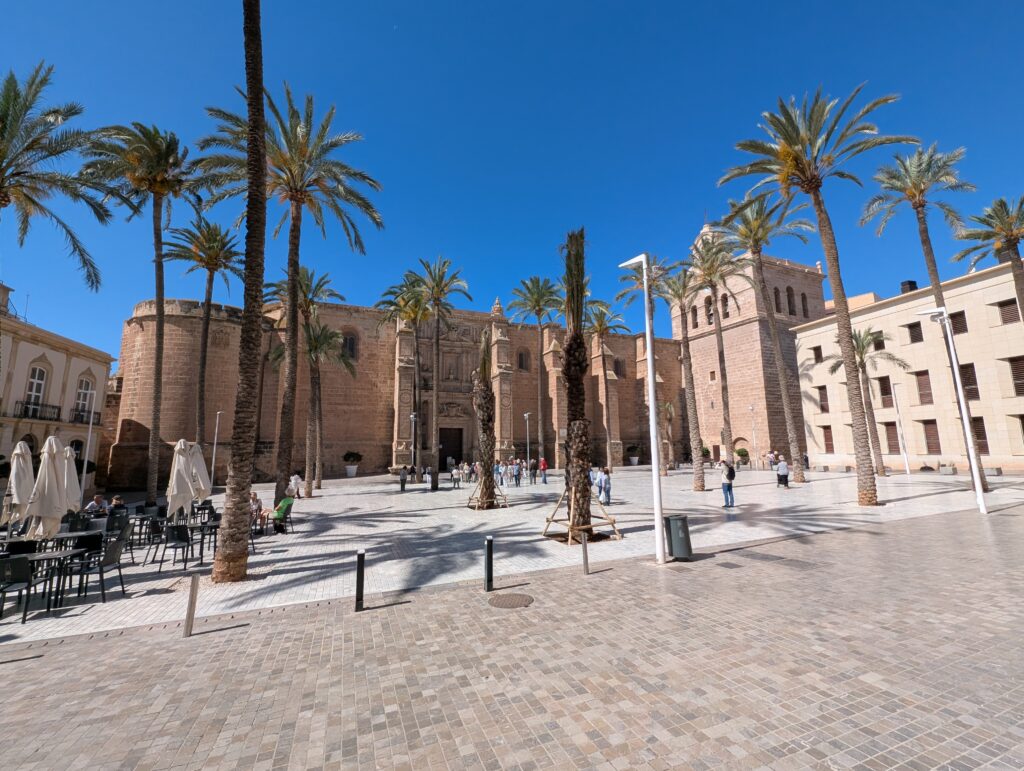
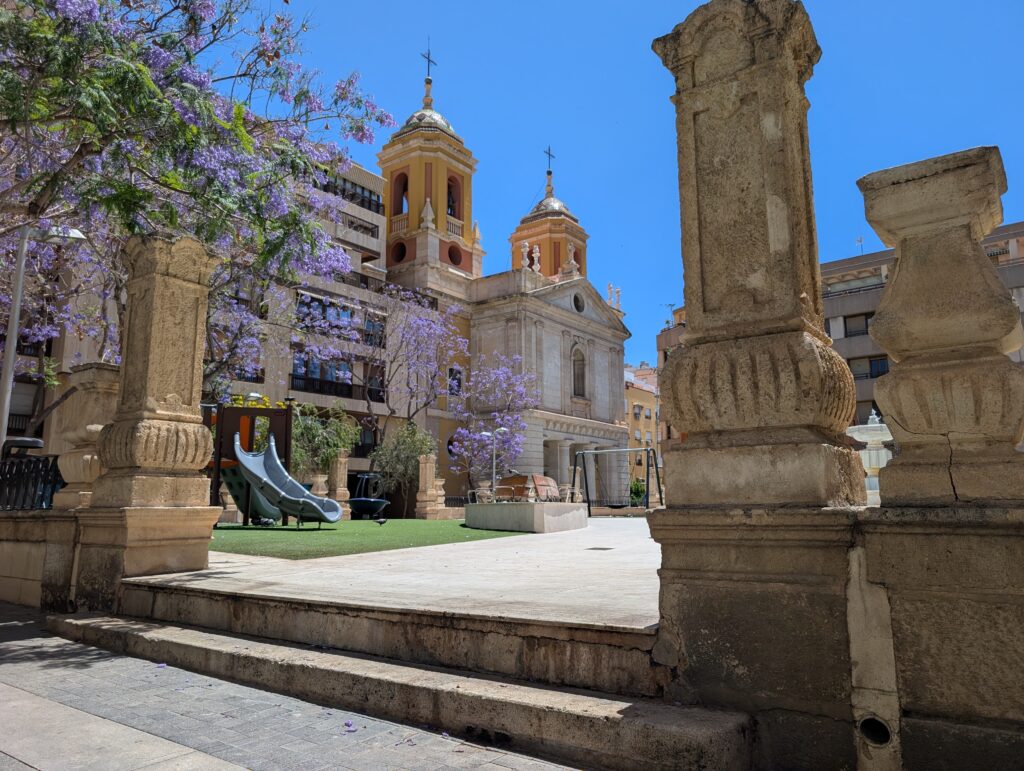
A Pretty Square in the Newer Part of Almeria
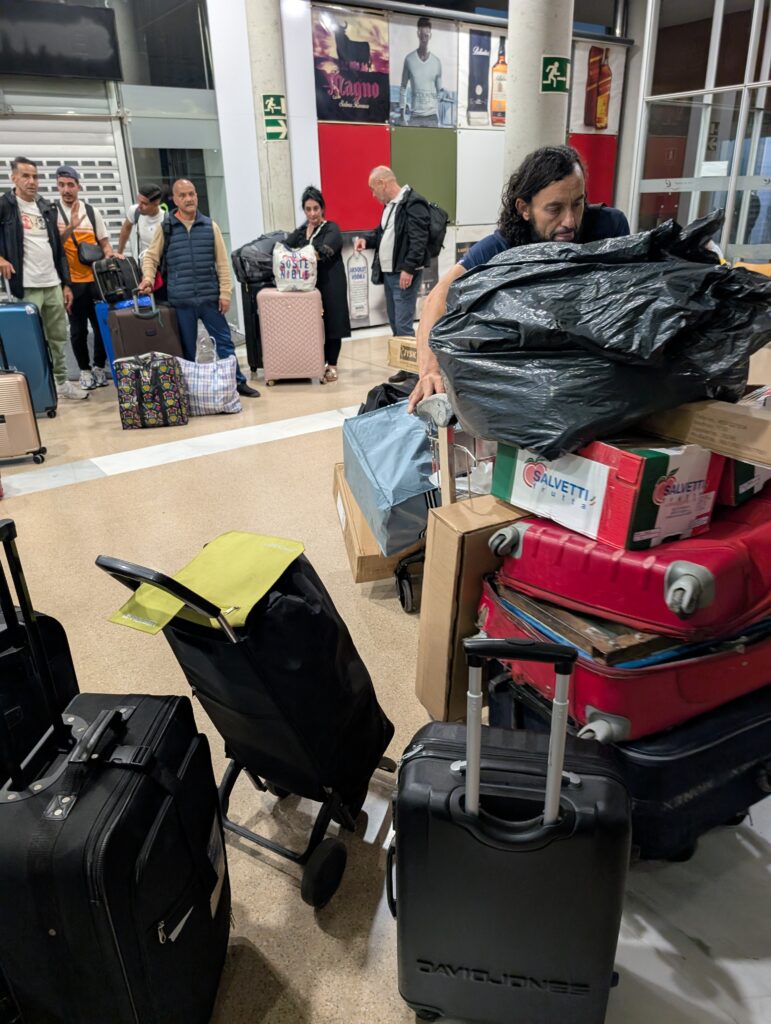
Chaos & Heavy Burdens Struggling to Get on the Ferry to Algeria
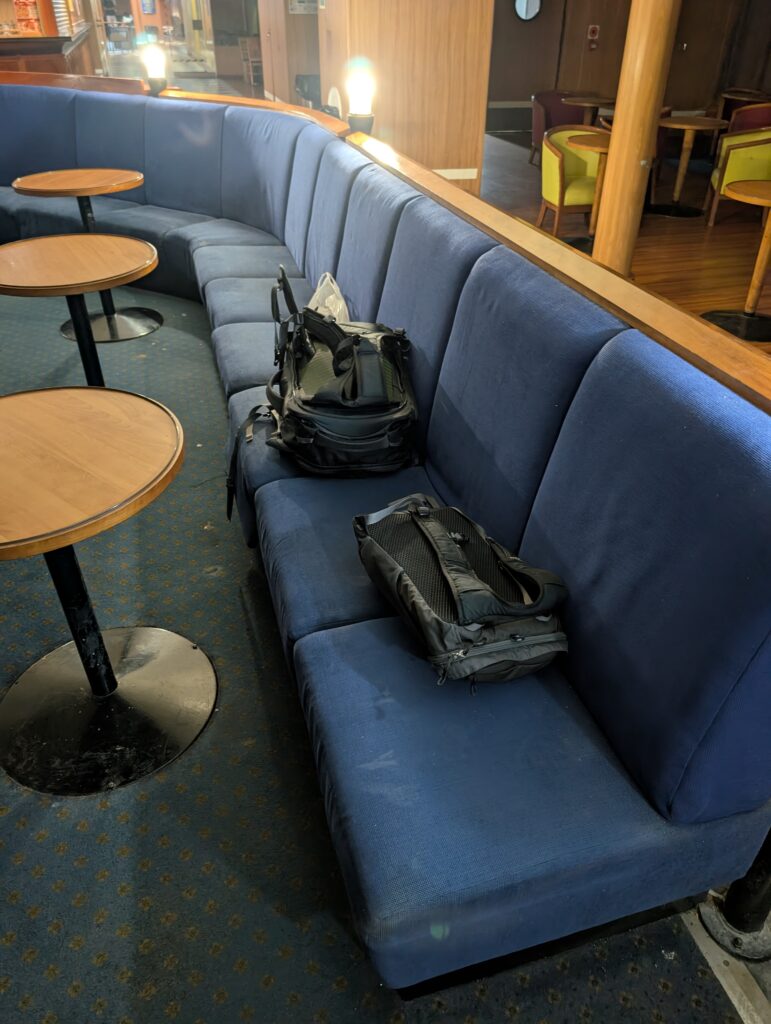
I Made it on Quickly Enough to Find a Sleeping Spot
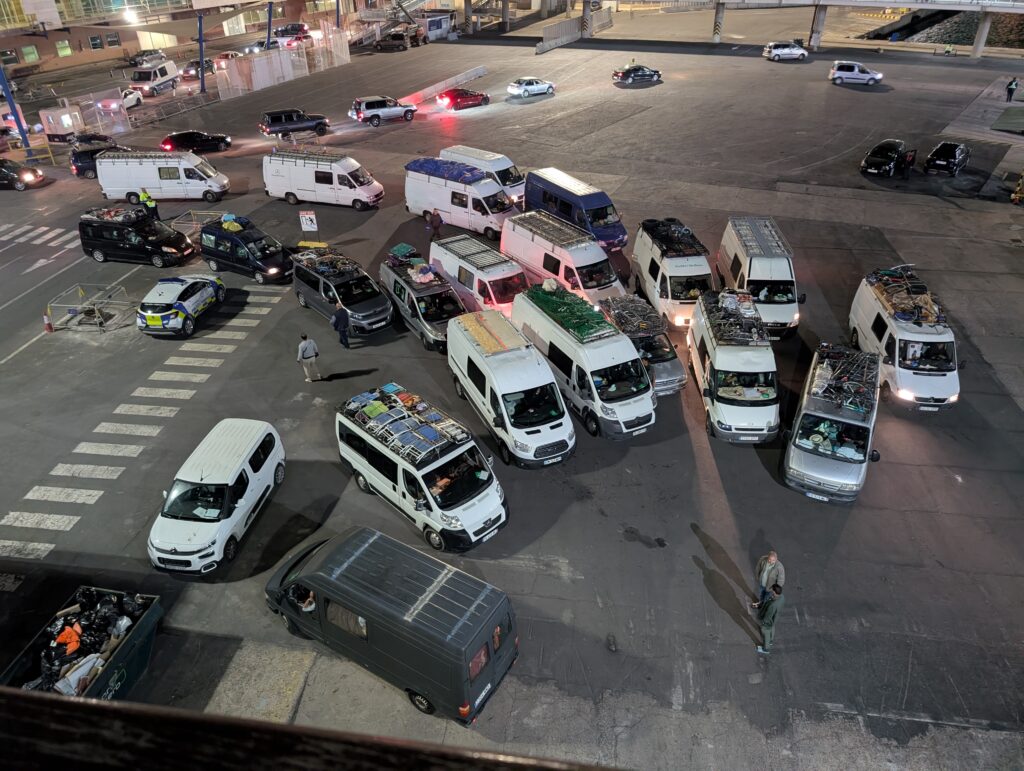
It Was Just as Chaotic For the Vehicular Traffic, Delaying Departure Over an Hour
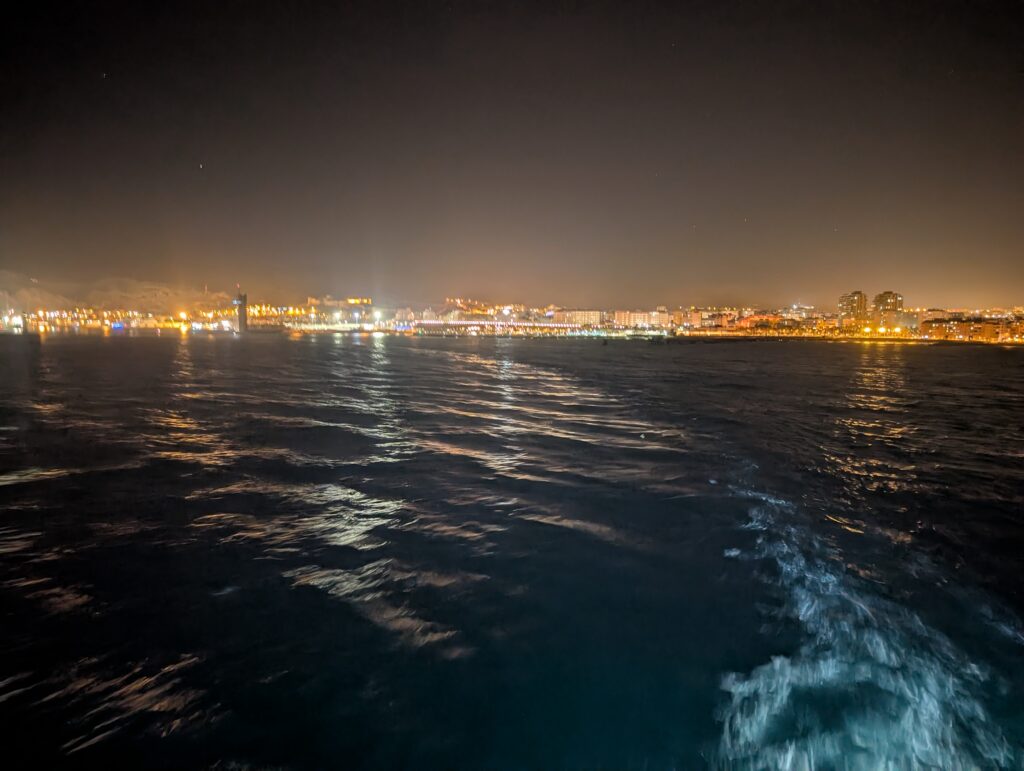
Late Night City Lights of Almeria From the Departing Ferry